The Trigger
Passports for the family had been sitting unused for years. Singapore was the obvious first international trip, but I had already touched down there during a solo Indonesia run in mid-2023. Pivoted to UAE. Diwali week 2023, work was chaotic, and the family had not flown internationally as a unit before.
Tickets locked in April for reasonably priced fares. The dates fell across the Diwali week, the kind of break the year had been earning.
Visa
Used Makemytrip’s online visa flow. Standard processing is under a week. The application fee for the 30-day single-entry e-visa is just over 7000 INR. Documents needed: passport scan, photo. Genuinely the most painless visa process I have run for an Indian passport.
Two of our four visas hit a delay on the embassy side. Took two weeks total instead of the usual six days, and a lot of follow-ups with the Makemytrip support line. Released to inbox eventually.
Currency
Converted to AED at the Kolkata branch of Orient Exchange. The plan was to keep most spend on Niyo cards — instant UPI top-ups, low forex markup.
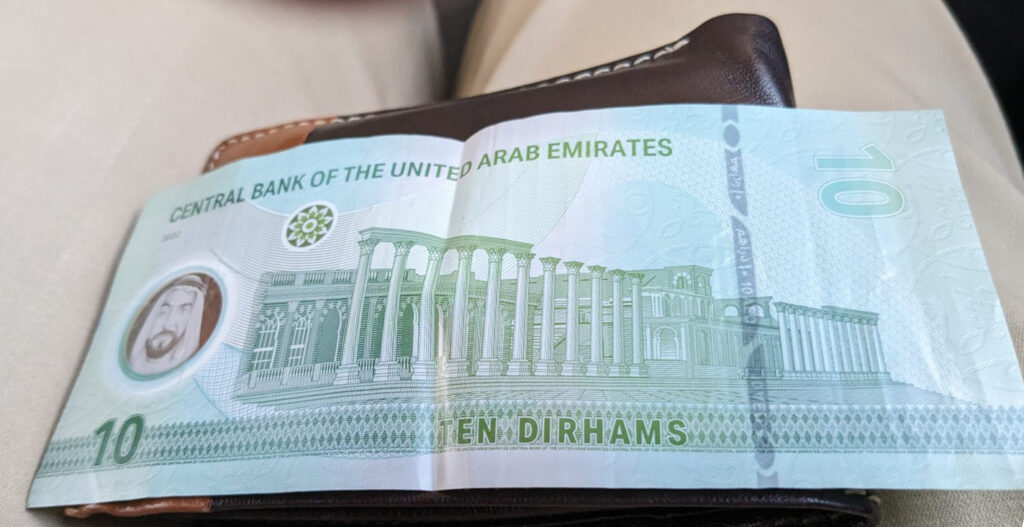
Dubai airport runs a 24×7 currency counter that takes INR. The exchange rate there is materially worse than back home; treat it as fallback only.
Hotel
My booking.com history struck again. This was the saga: locked Ibis for a 6-day trip in January at 1.15 lakh INR for what would have been a friends trip; that trip collapsed.
Replanned with family. Switched to Golden Tulip Media Hotel for the location and shuttle service: ~90k for 5 days.
Reconsidered for parental fatigue against the premium location and pivoted to Hampton by Hilton Dubai Al Seef in the Dubai Creek area: 75k INR. New, well-reviewed.
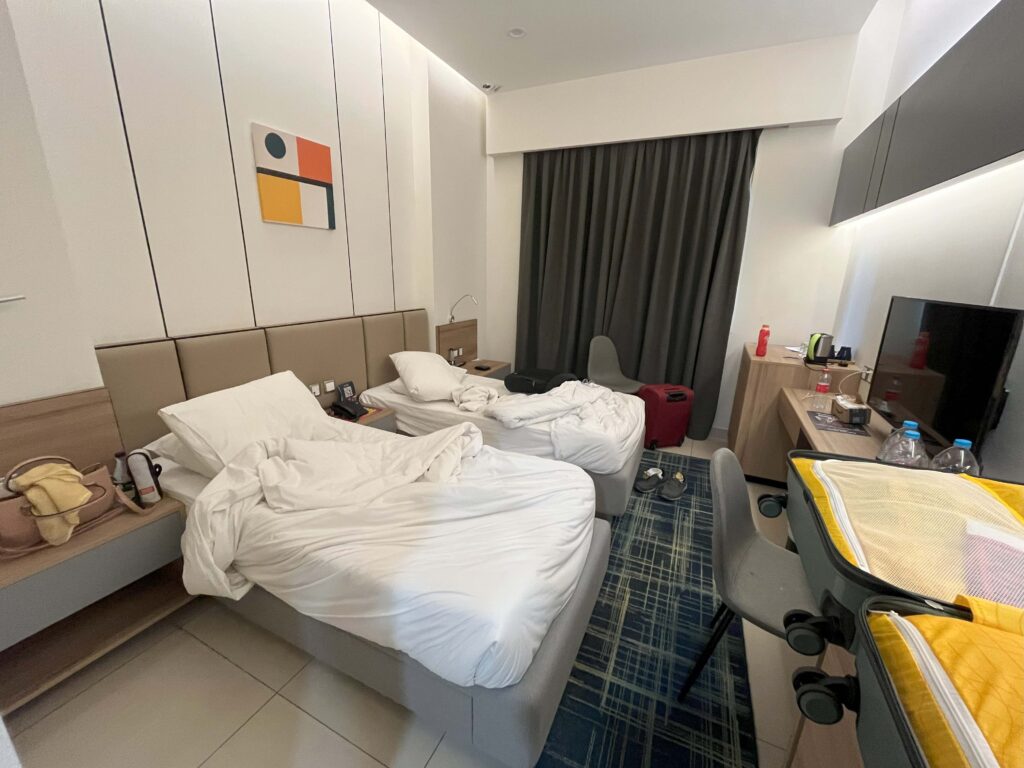
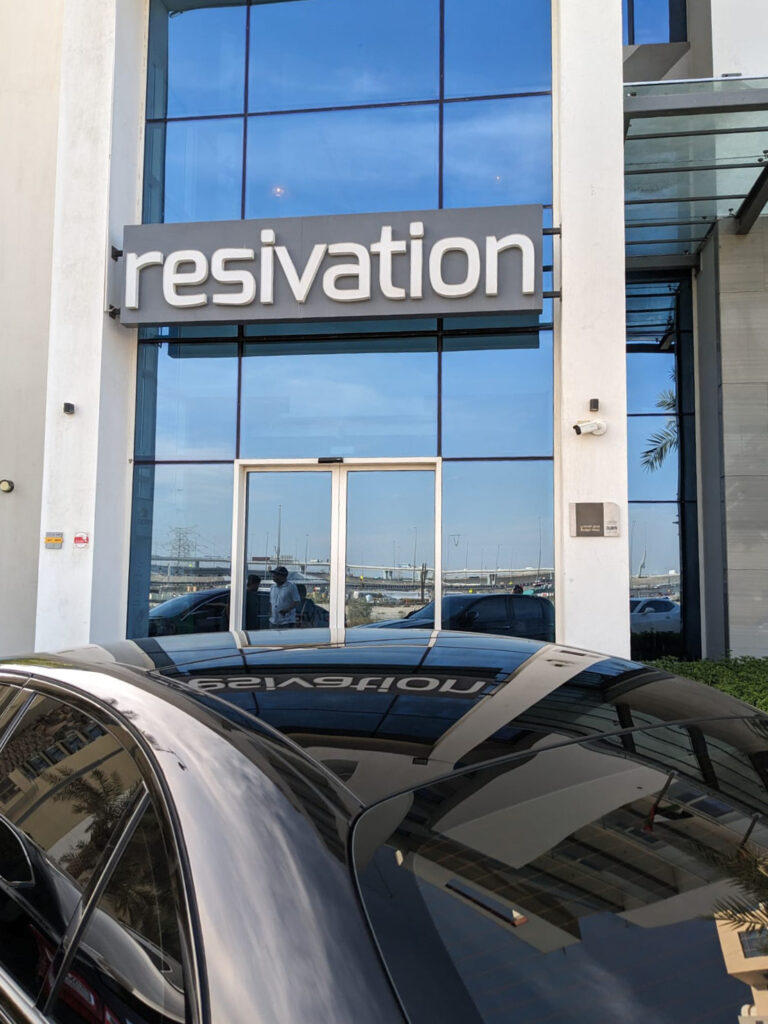
Three months out, I stumbled onto Resivation Hotel at 45k INR for the same window. Long-stay format aimed at office travellers. Pan-Asian restaurant on premises. Strong online reviews. The savings paid for the rest of the trip’s exploration. Bonus: a complimentary shuttle to Al Furjan metro on the Red Line.
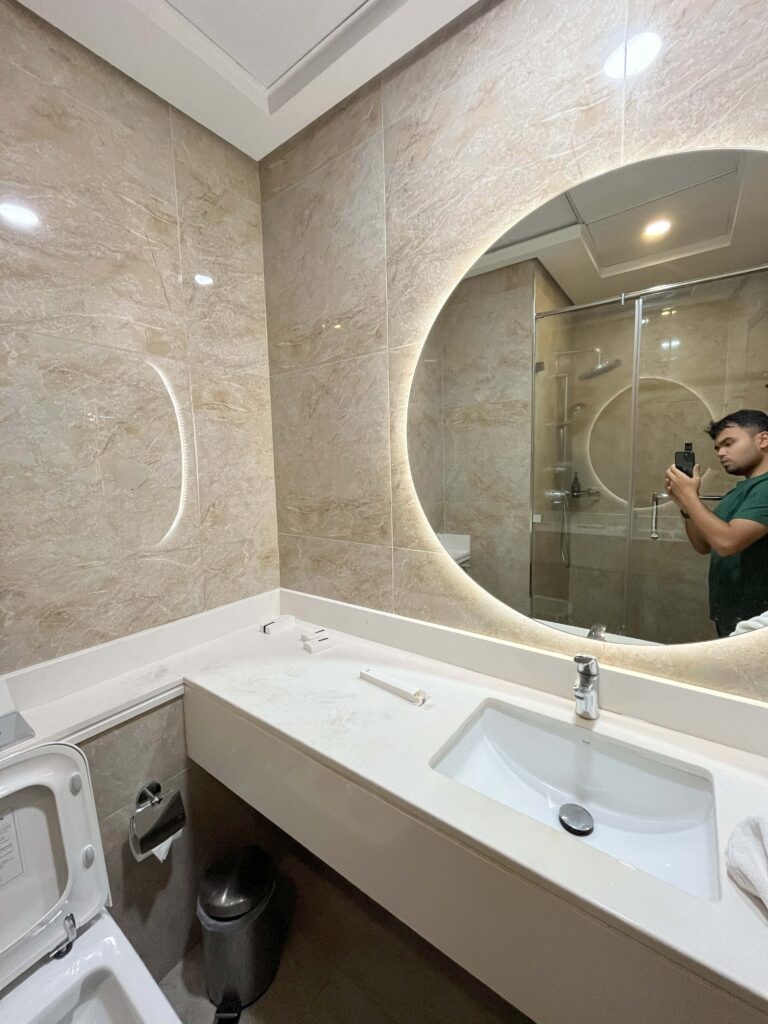
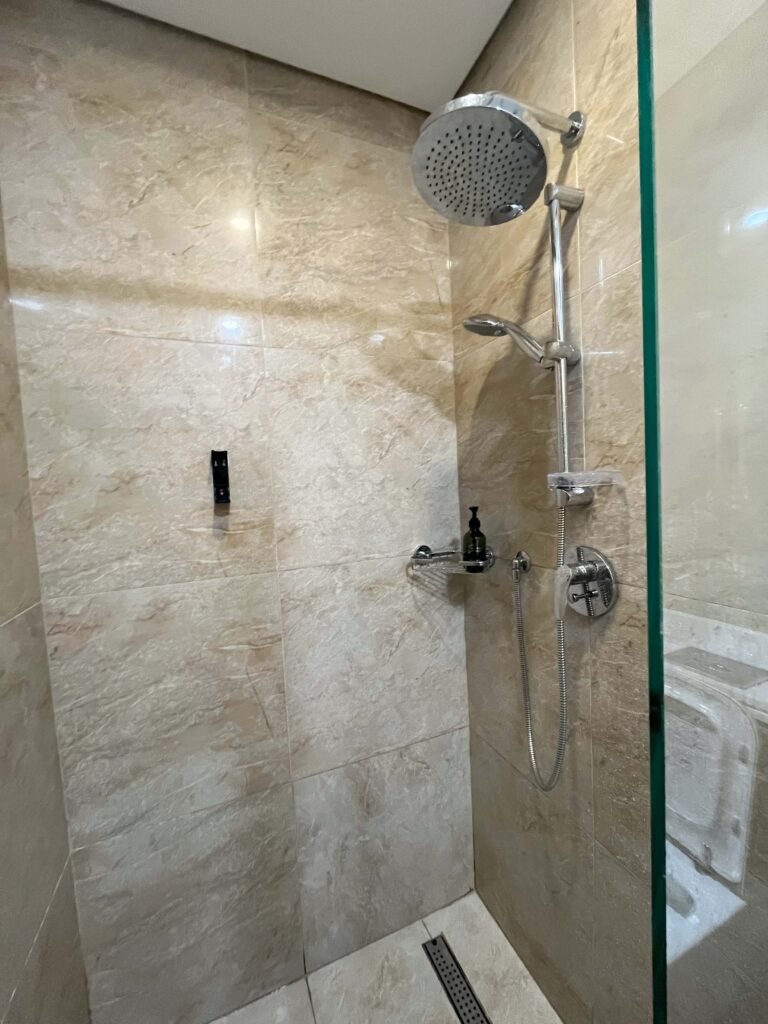
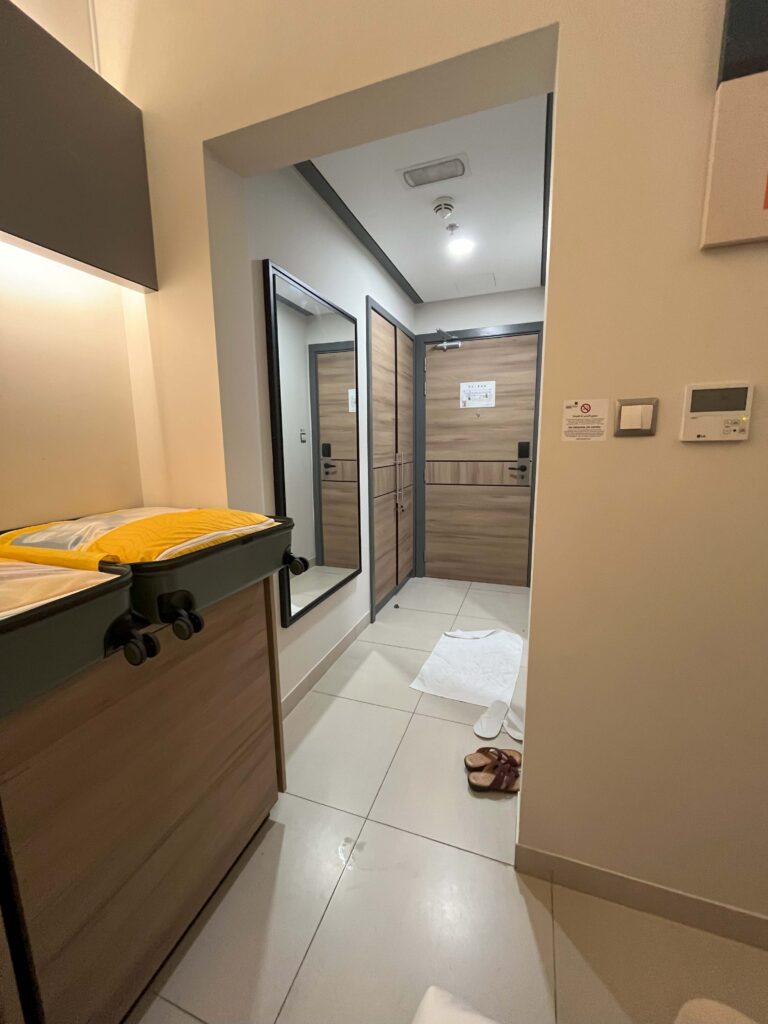
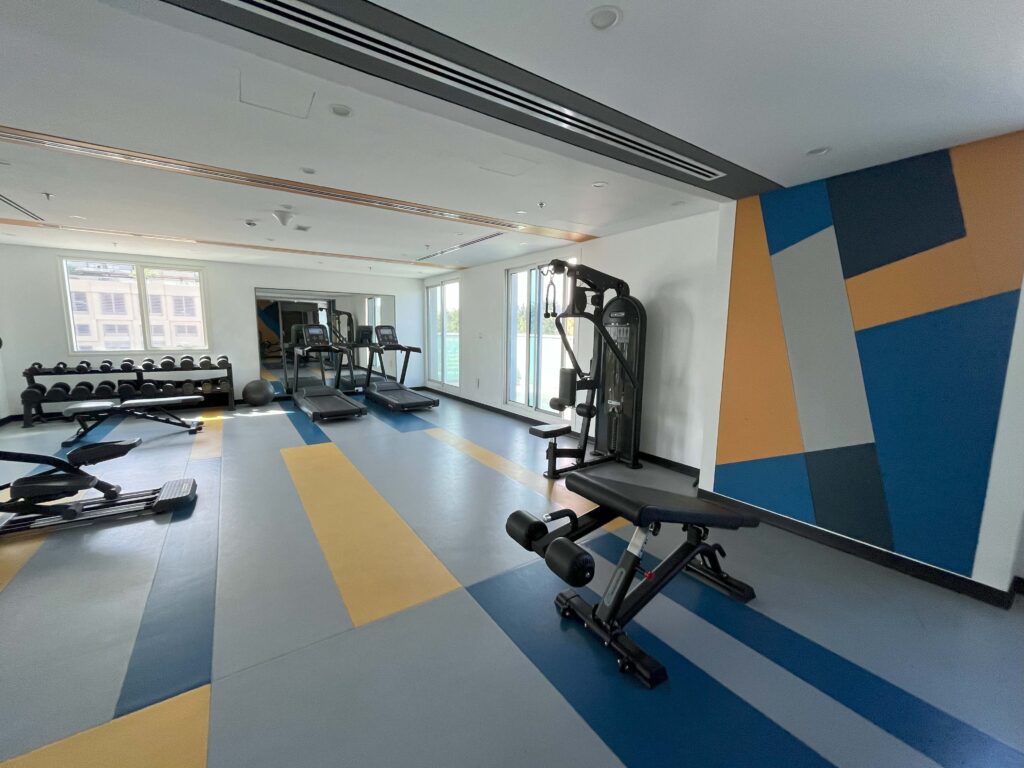
Resivation sits on the outer edge of Dubai with active construction all around. Shuttle to Al Furjan runs every 30 minutes on weekdays, 7am-7pm. On weekends it goes to Ibn Battuta mall at 2pm and JBR at 5pm. Supermarkets in walking distance: 1 AED tea, snacks under 5 AED. The attached Thai restaurant runs a 30 AED breakfast buffet daily; lunch and dinner are à la carte and the food is properly Thai. 24×7 gym, luggage room, lobby. Room cleaning is every other day.
Smoking was technically not allowed in the room. In practice, room 109 reeked when we walked in. There is a designated smoking balcony on the second floor that nobody seems to use.
Flight
Outbound, 9 November (Thursday): EK-571, Kolkata-Dubai, scheduled 8:55am (delayed 30 minutes), arrival 12:50pm, 5h25m. Emirates was what an international flight should be; the only weak spot was the in-seat screen quality and the headphones. Boeing 777, economy. T3 arrival at DXB was seamless.
The immigration officers check the e-visa, take a photo, stamp the passport. Family members can go through together — ours took ~20 minutes including the queue. Some of the friendliest immigration staff I have encountered. Each arrival also gets a complimentary SIM with 1 GB loaded. Airport pickup via Dreams Star UAE: 2930 INR to the hotel.
Return, 13 November (Tuesday): AI-906 Dubai-Chennai (departure 23:10, arrival 04:45, 4h05m), then 3h20m layover, then AI-786 Chennai-Kolkata (08:05-10:40, 2h35m). Air India ran the same way it runs domestic. Full flight with food and alcohol. Had to clear immigration and recollect baggage at Chennai because the second leg counts as domestic.
Day 1: Arrival and Global Village
Hotel Resivation by 3:30pm. Check-in was prompt; rooms 102 (king) and 109 (twin) on the first floor. Tea, quick nap, then UberX out at 6:40pm. Tesla Model X, my first ride in one. Global Village by 7:20pm, total 2100 INR.
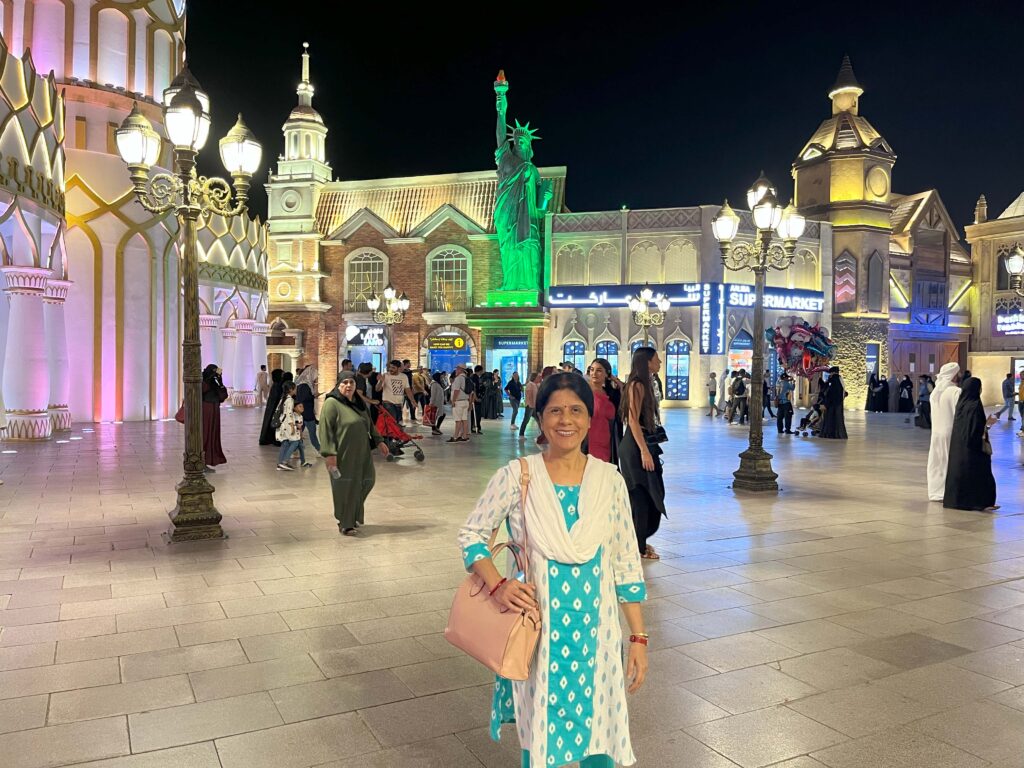
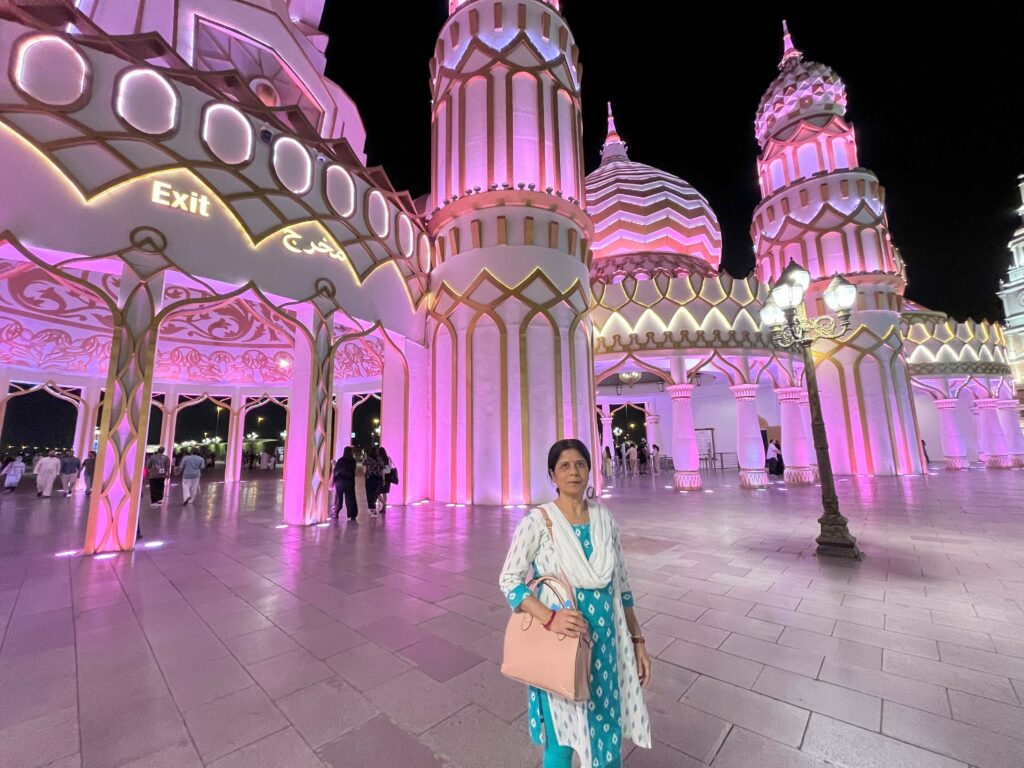
Tickets at the counter or online. No daily entry cap. Senior citizens (75+) free. Standard ticket: 620 INR per head.
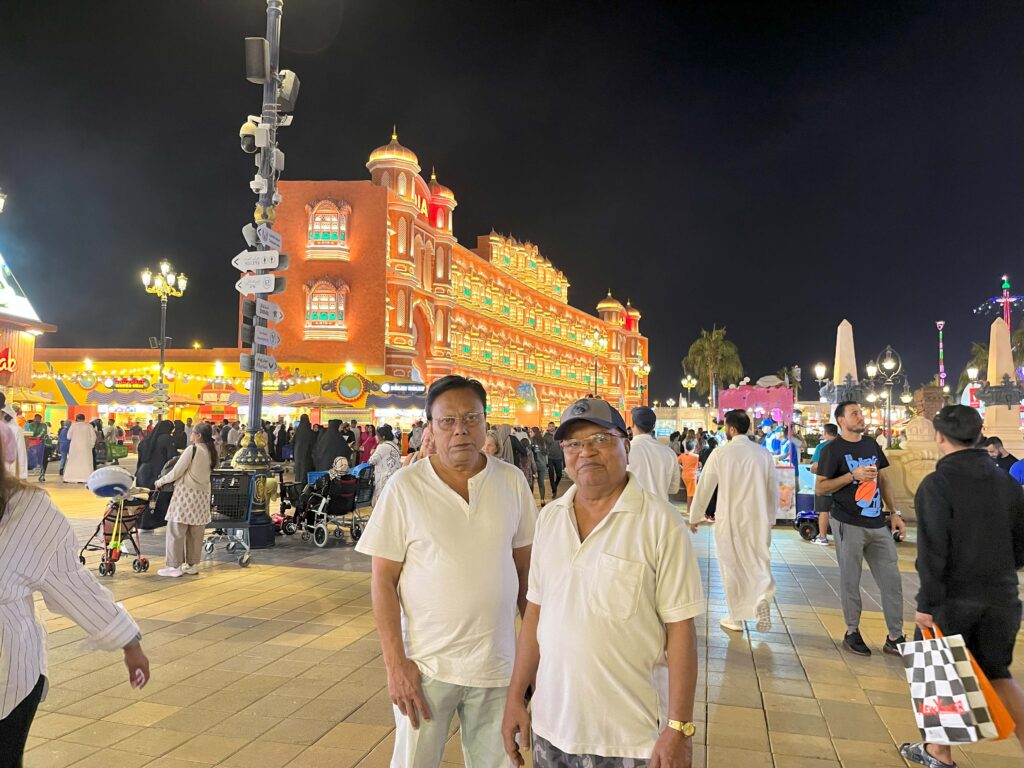
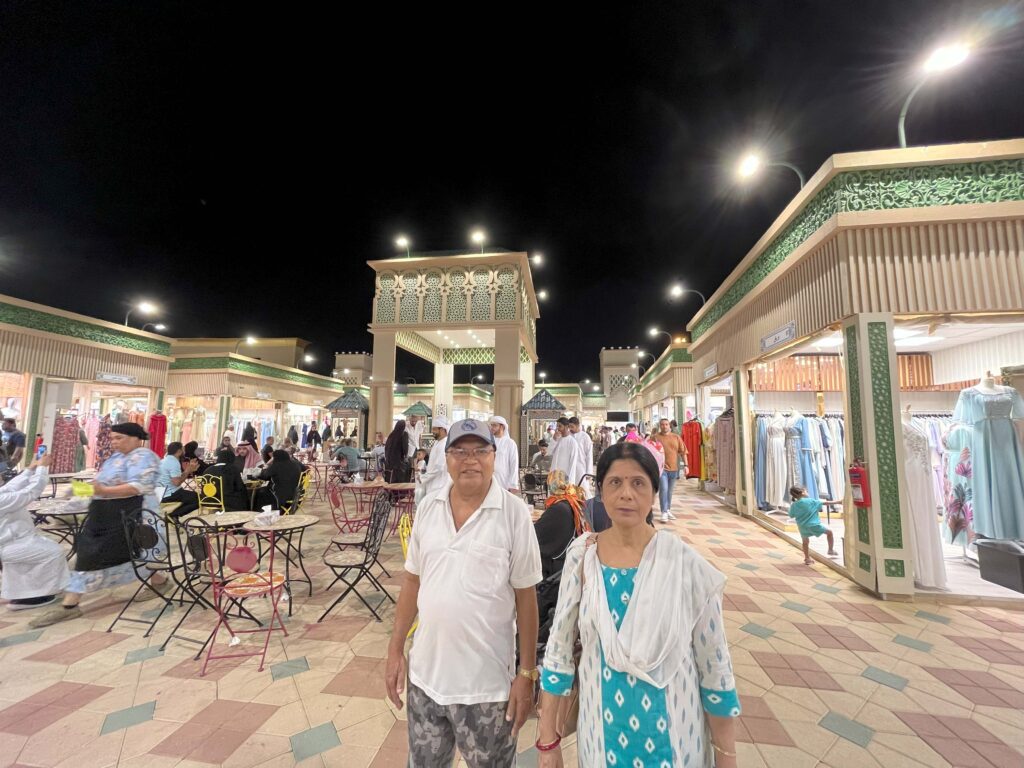
Each pavilion is sponsored by a country: shopping, food, interactive bits. Shopkeepers call out, customers haggle, the whole layout works. A few entire continents (South America, Europe, Africa) get a single pavilion, which felt off.
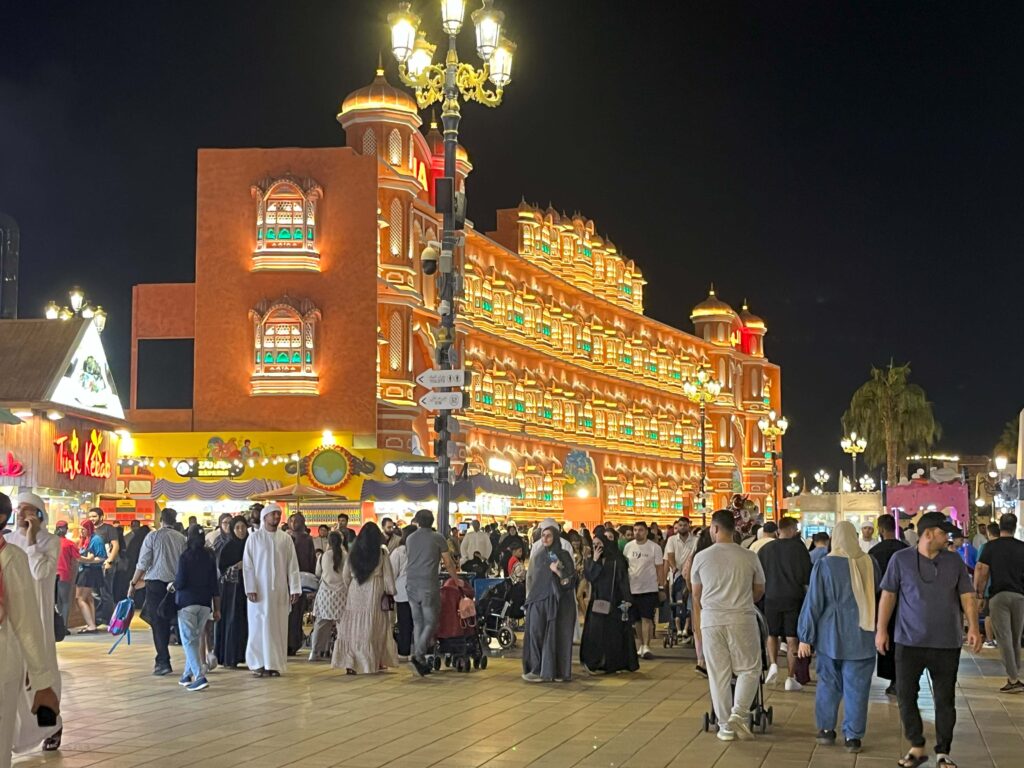
The India Pavilion is unusually large — built around a Red Fort facade. The food was UAE-Indian, not Indian-Indian. Kashmiri shops were heavily represented, North Indian flavour dominating the rest.
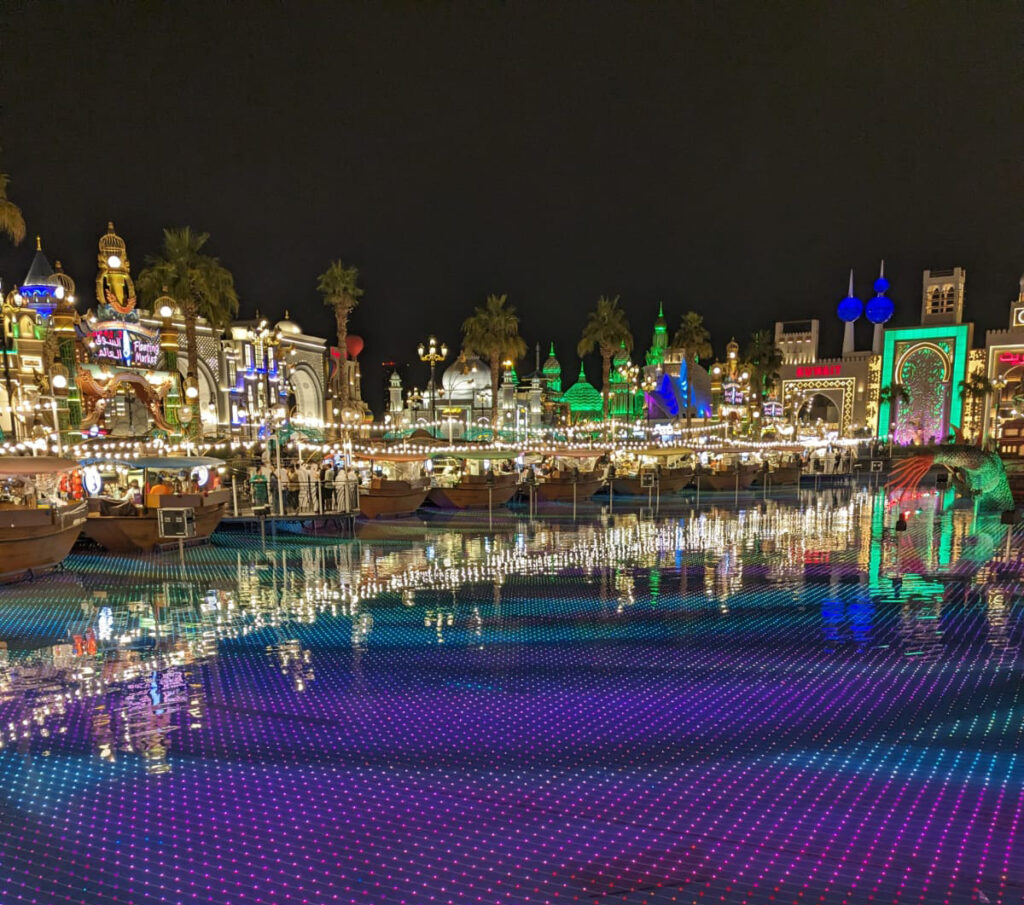
The central lake runs a Chinese Dragon theme. Across from it: a main stage with live music, with stairways and ground space full of resting visitors. Halfway through, we acknowledged we were not making a real dent in the place — too vast, plus jetlag. An attached amusement park including Ripley’s Believe It or Not stayed in the unexplored column.
We walked out through the wrong gate (a real cost in distance to the Uber pickup). Cab back at 9:20pm, hotel by 9:45pm. Same 2100 INR for the return.
Day 2: Six Emirates Tour
Six Emirates full-day tour via Viator: 29,800 INR. Capacity 6 max, advertised return by 4:30pm, actual return 8:30pm.
Major, our driver-and-guide, picked us up at 9:30am sharp. Format: Dubai overview from him, then a cruise through the others with hard pitstops. Abu Dhabi was deliberately excluded — needs its own day.
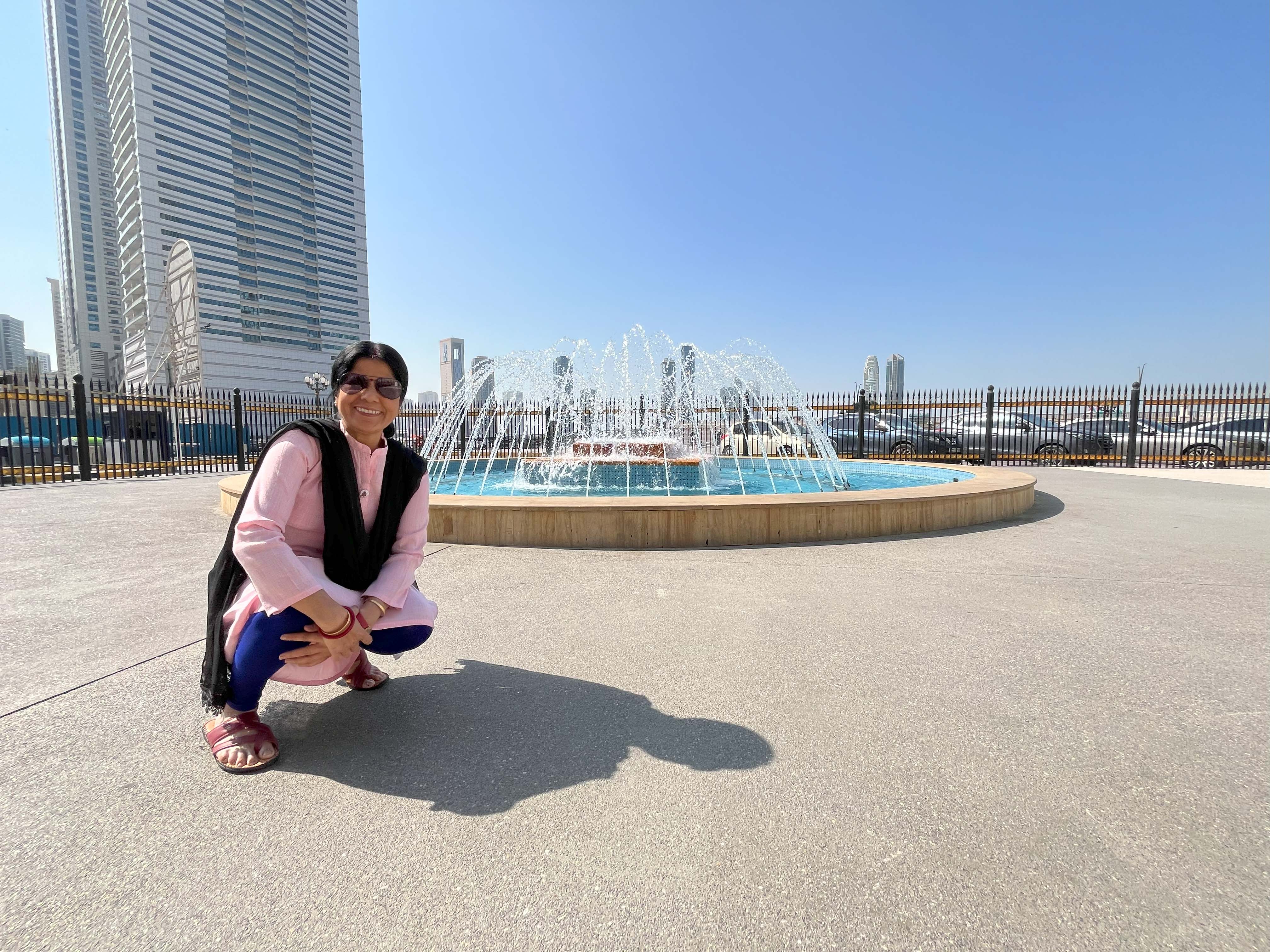
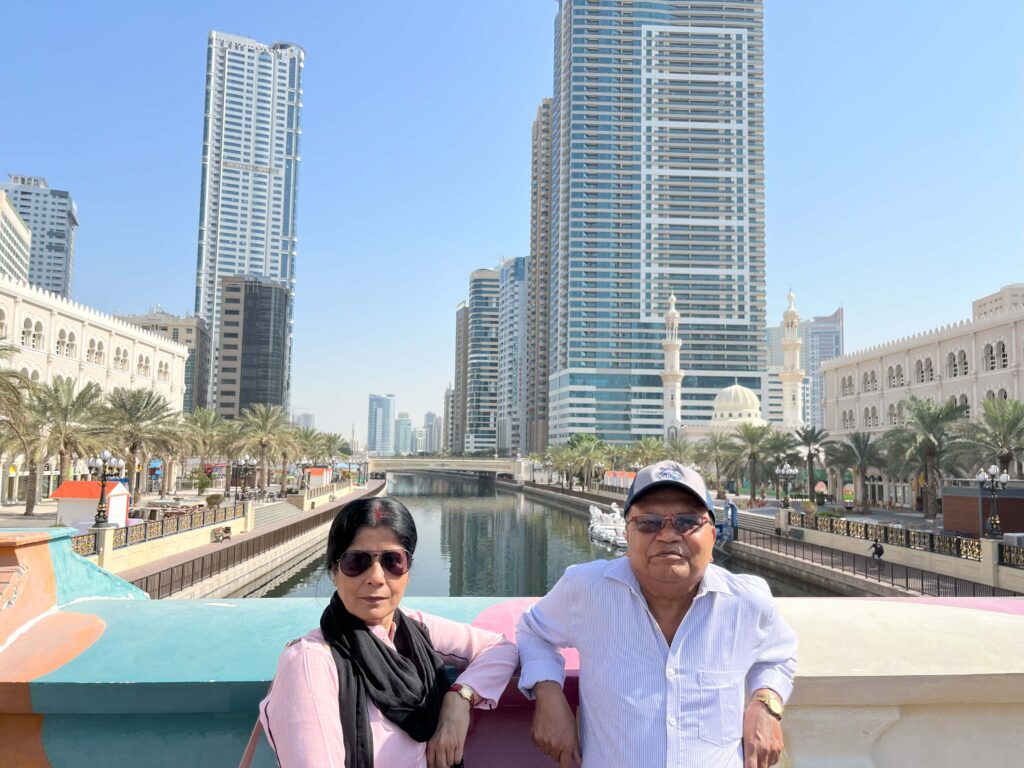
First emirate after Dubai: Sharjah. Al Qasba is a canal-side complex of cafes, boats, shops, and a Ferris wheel in the distance.

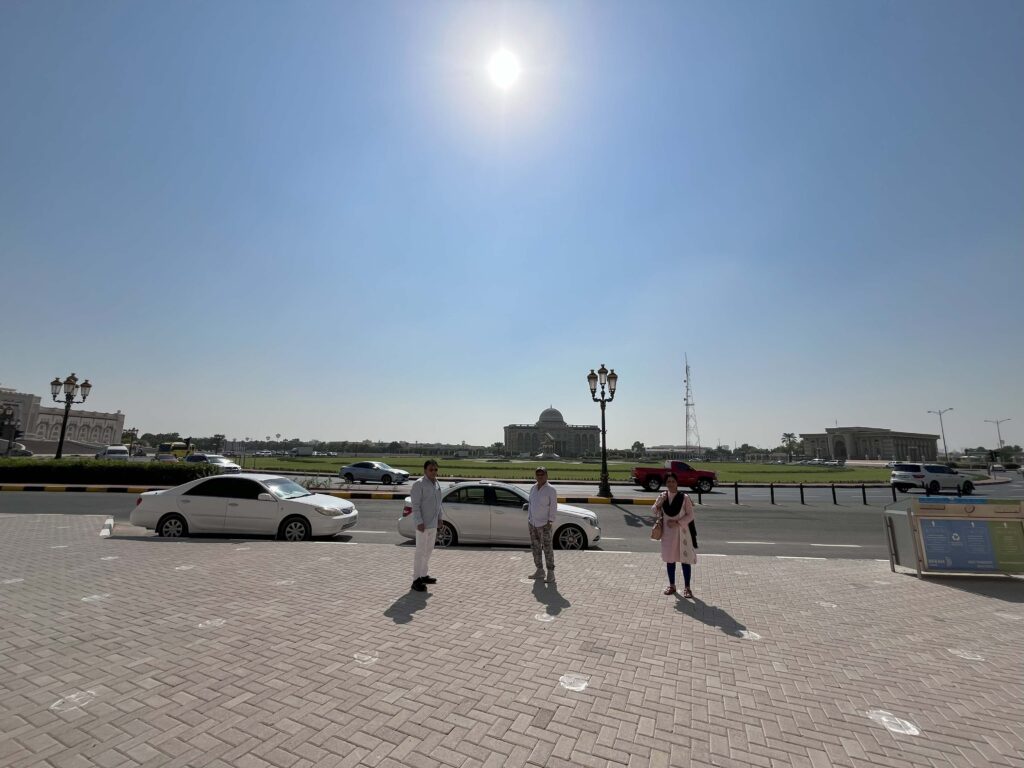
Sharjah Art Museum was closed (Friday). We pivoted to the Quran Roundabout — the intersection of court, library, mosque, and cultural building.
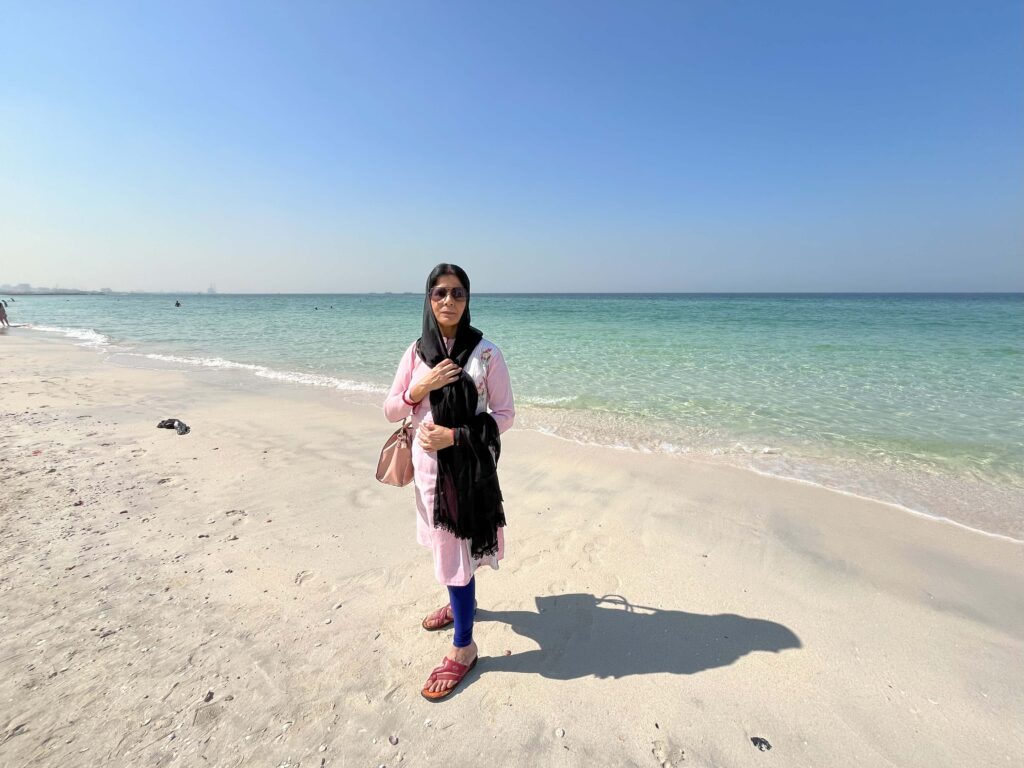
Third emirate: Ajman. Major routed us through the fish market on request. Local fishermen selling every kind of fish, crab, and lobster you can name. Quick stop at Ajman beach for sand and the cold Indian Ocean. Ajman is popular with tourists who want alcohol — Sharjah is dry, so the overflow lands here.
Fourth emirate: Umm Al Quwain, the smallest. Lunch stop while Major broke for afternoon prayer. Most rustic of the lot, no major tourist anchor, the inner roads showing wear.
Northernmost emirate: Ras Al Khaimah. Long drive from UAQ. Desert on either side, occasional camels along the highways. The road still carries painted distancing markings from the Covid era.
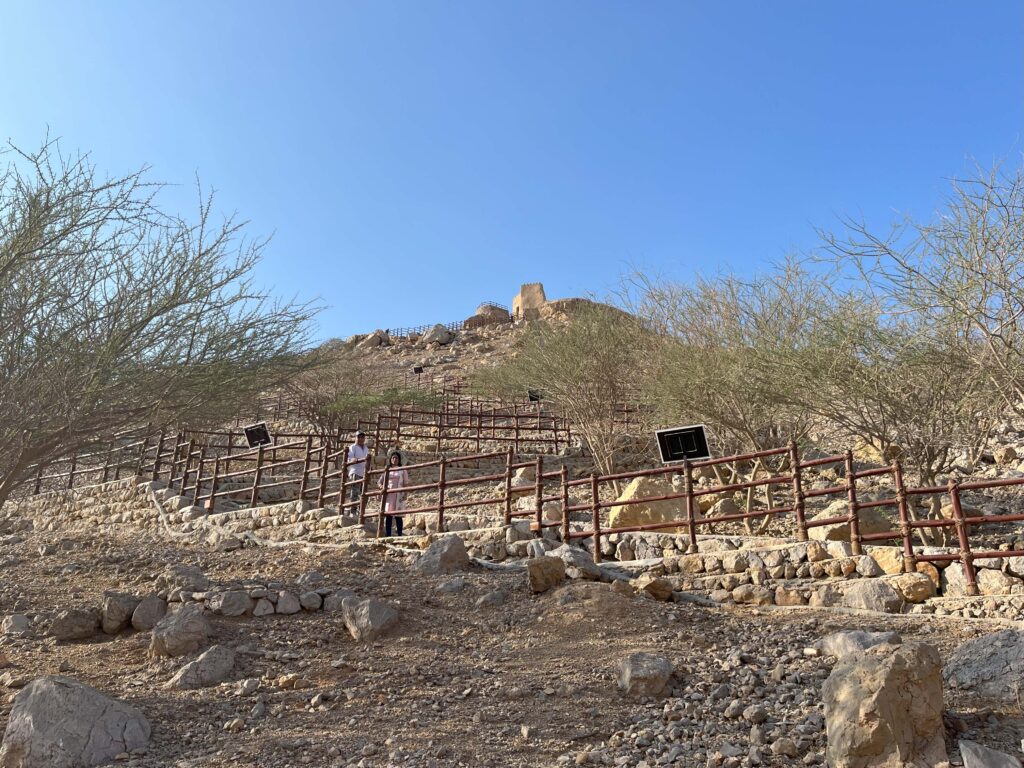
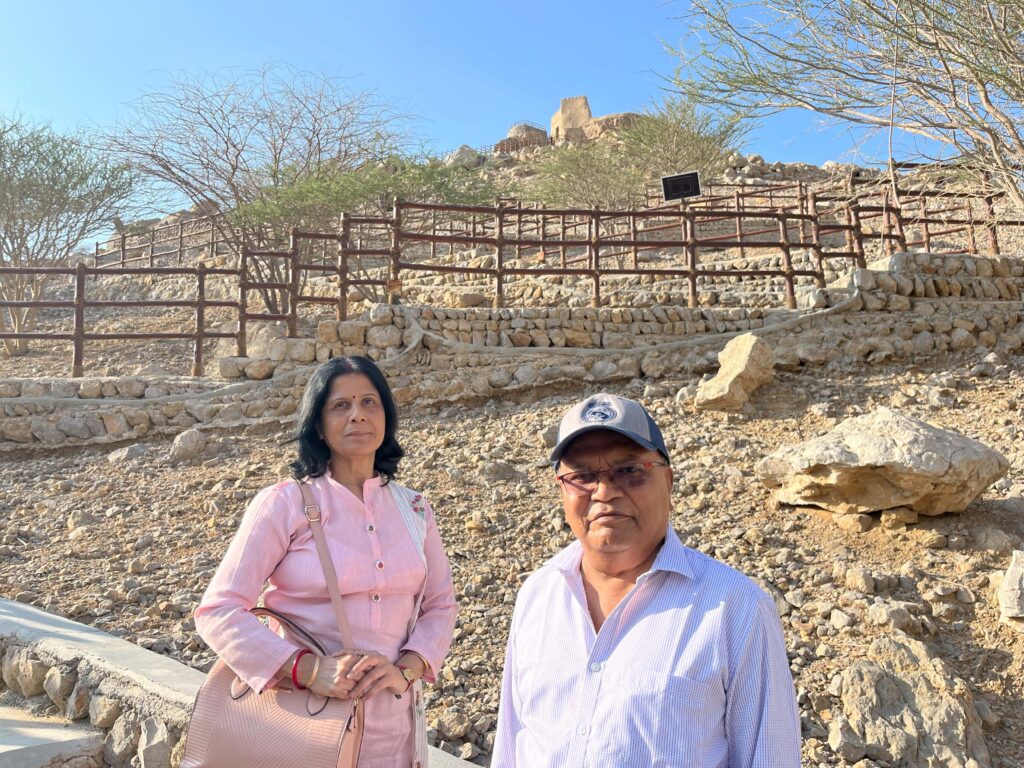
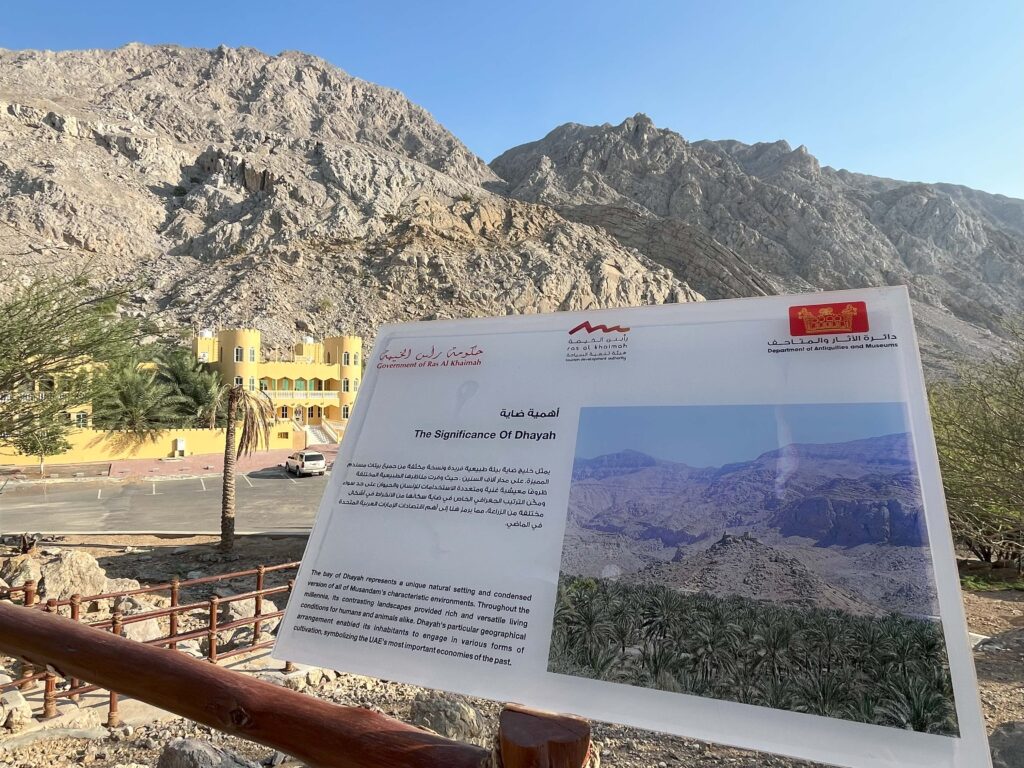
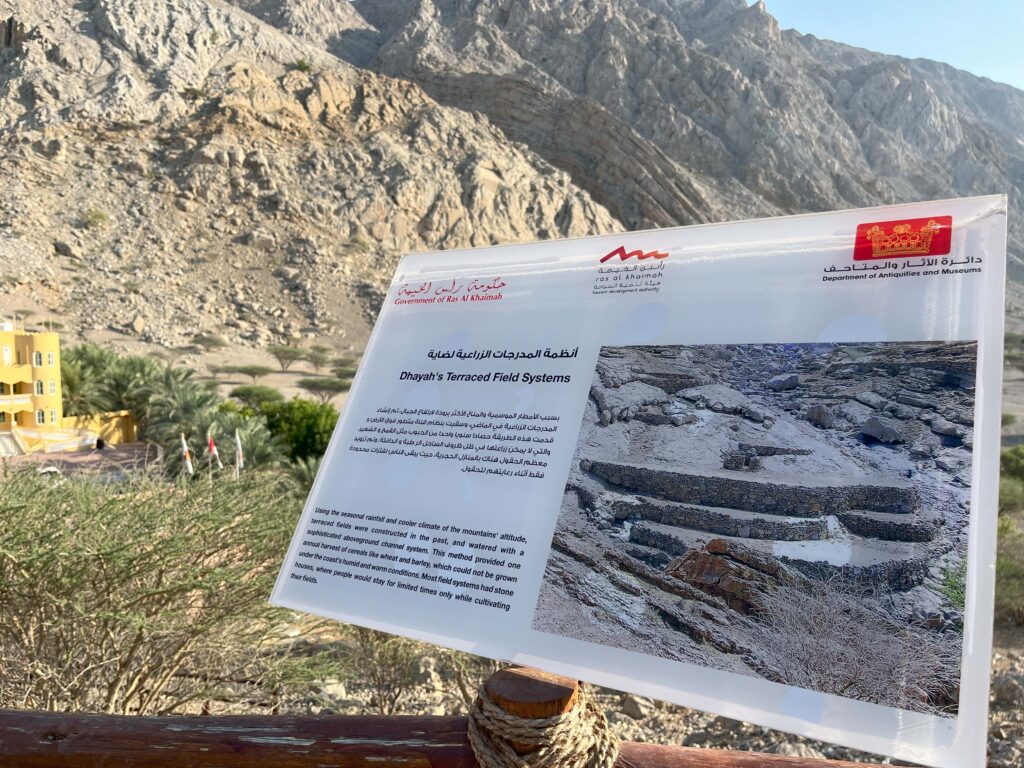
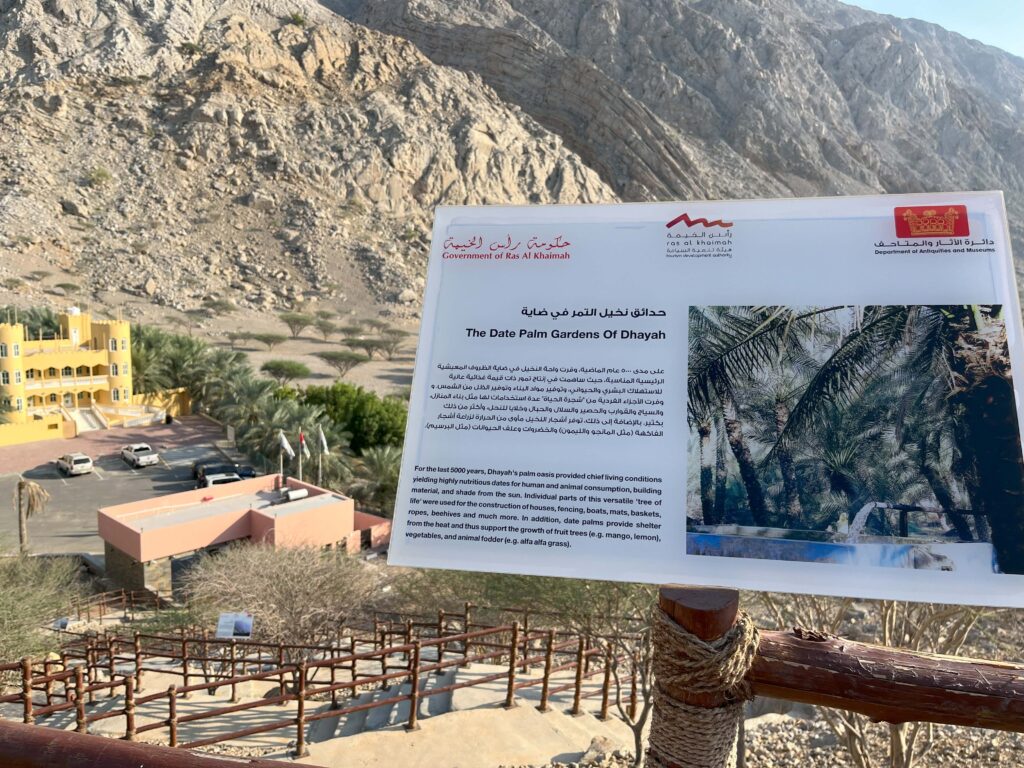
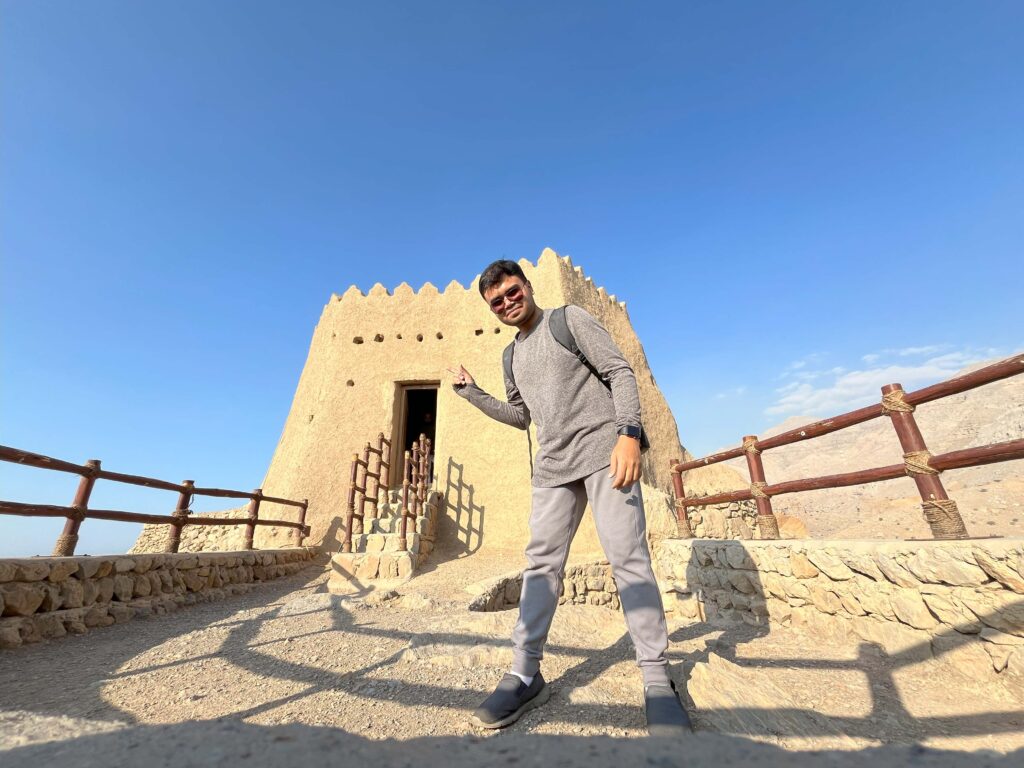
Stop near the Oman border at Dhayah Fort, the highest hilltop fort in UAE. We passed Sheikh residences on the way. The fort is 250+ steps to the top for a panoramic of RAK city.
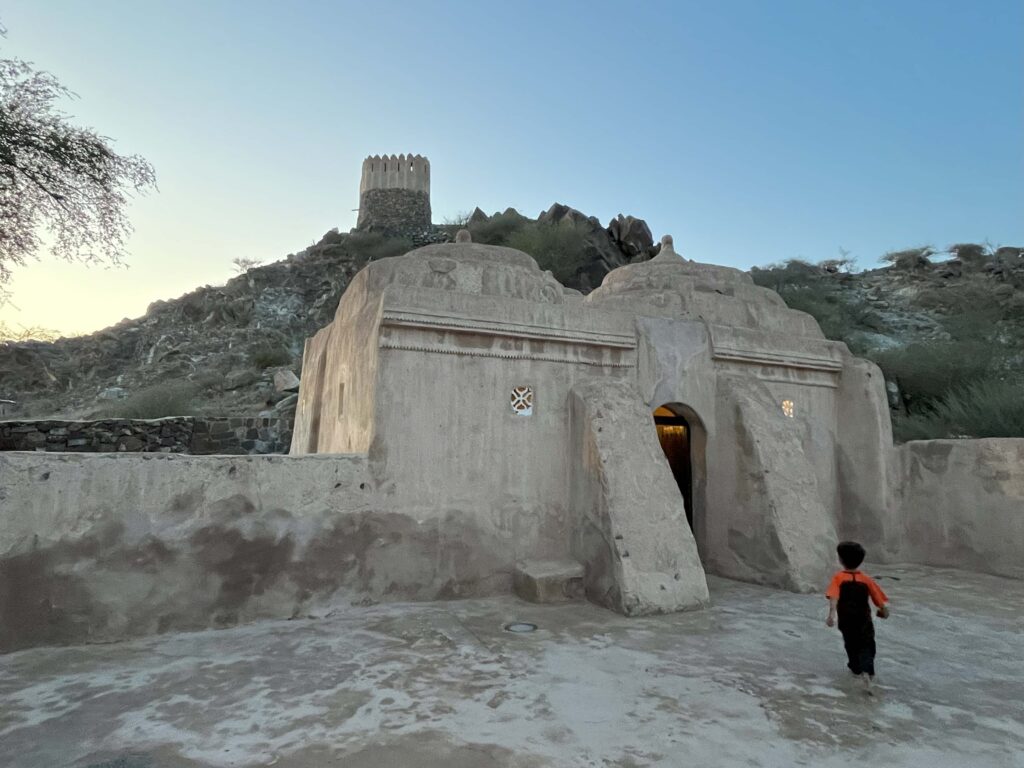
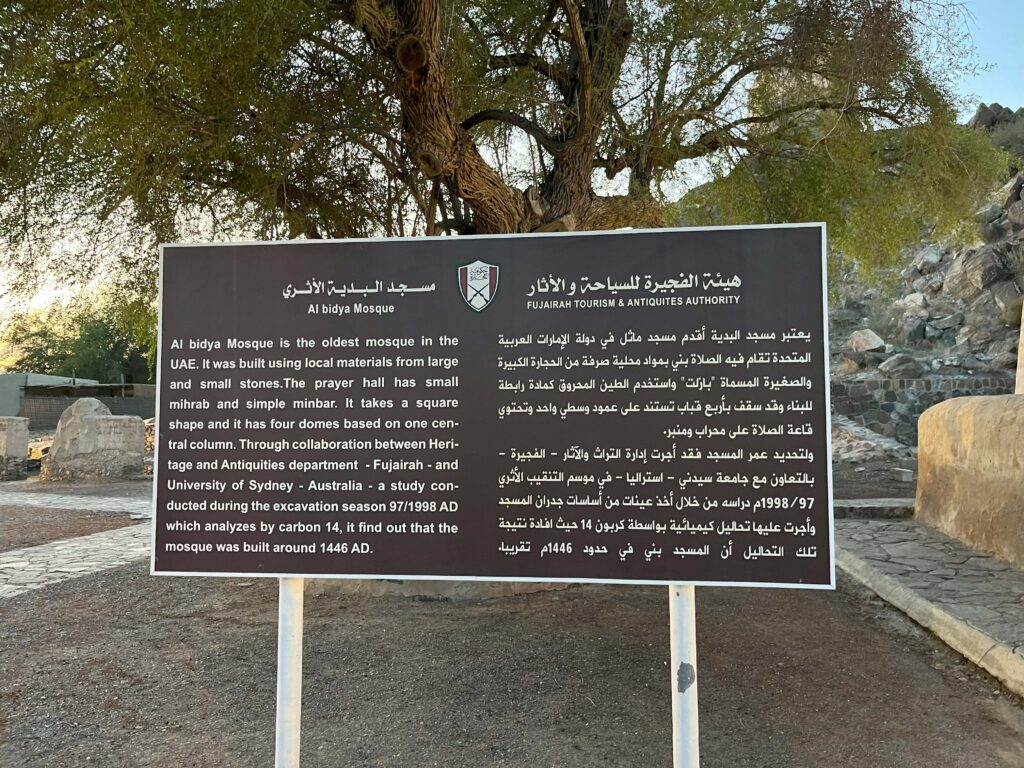
Final emirate: Fujairah. The headline stop here is Al Bidya Mosque, the country’s oldest known mosque (until a 2018 discovery in Al Ain dethroned it). Still in active use. Also called the Ottoman Mosque. Built from local stone and mud bricks finished with whitewashed plaster. The roof has four squat helical domes resting on a single central pillar that doubles as the ceiling support. The small mihrab on one wall faces Mecca.
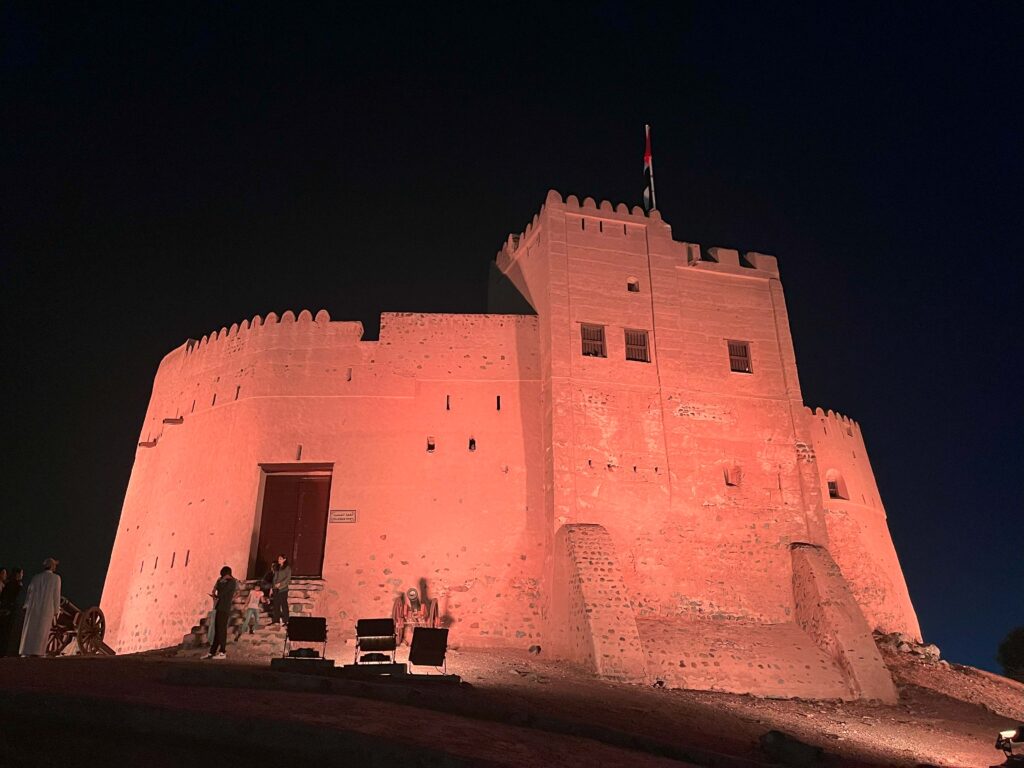
Vintage car museum at Fujairah on the way back as night fell. Re-entering Sharjah we passed Khorfakkan Amphitheatre and the artificial waterfall built next to it.
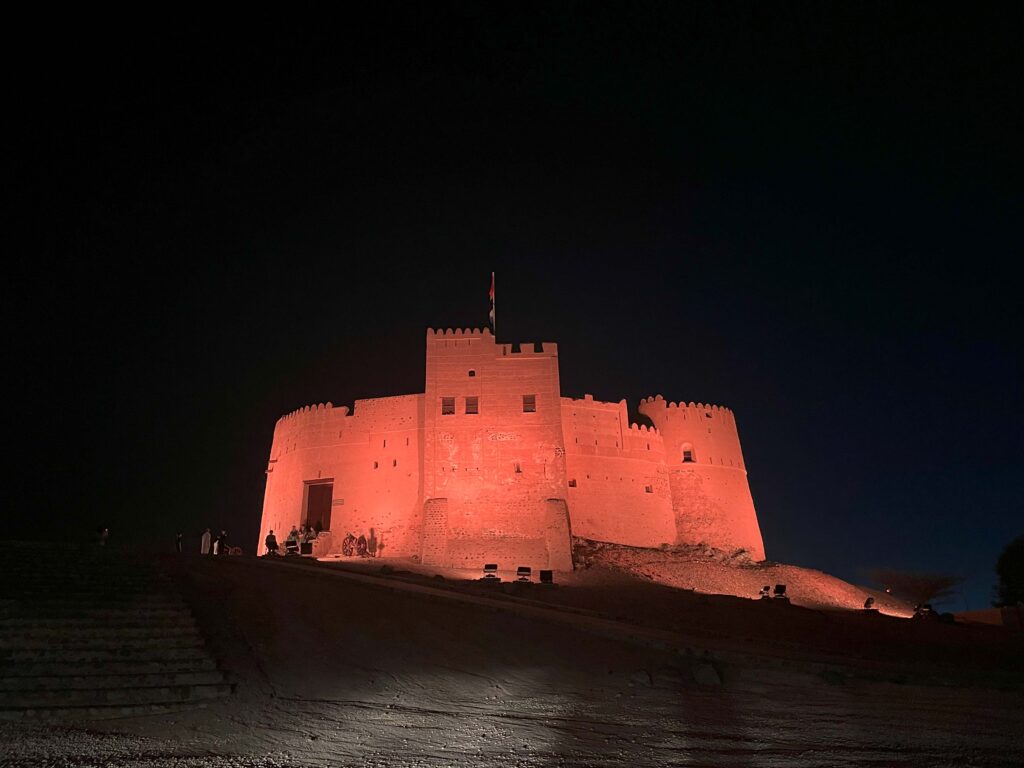
Final stop at Fujairah Fort for a quick photo. Then the long road home.
Day 3: Dubai Mall and Burj Khalifa
Heavy hotel breakfast, departed 11:16am. UberX was a Lexus this time (another first). Downtown Dubai in 30 minutes. Off at Dubai Mall P4 by 11:46am, ride cost ~2800 INR.
Pre-purchased the Klook Pass Dubai for three activities at a discount. The pass unlocks a 30-day window once the first activity is used. Super Saver Mode: ~20 activities exchangeable for tickets. Four-person pass cost 24,000 INR.
Dubai Mall: Underwater Zoo on the top floor extends down to the Dubai Aquarium on the ground. Show the QR at the counter for physical tickets. Started top-down with the aquarium.
Zoo sections: a water exhibit running multiple fish families; a night-jungle area for nocturnal mammals; a tropical jungle where birds fly free; a separate enclosure with crocodiles guarding eggs; and a paid penguin enclosure we skipped. Lunch at Nando’s on the LG, since the next activity was time-bound and convenient.
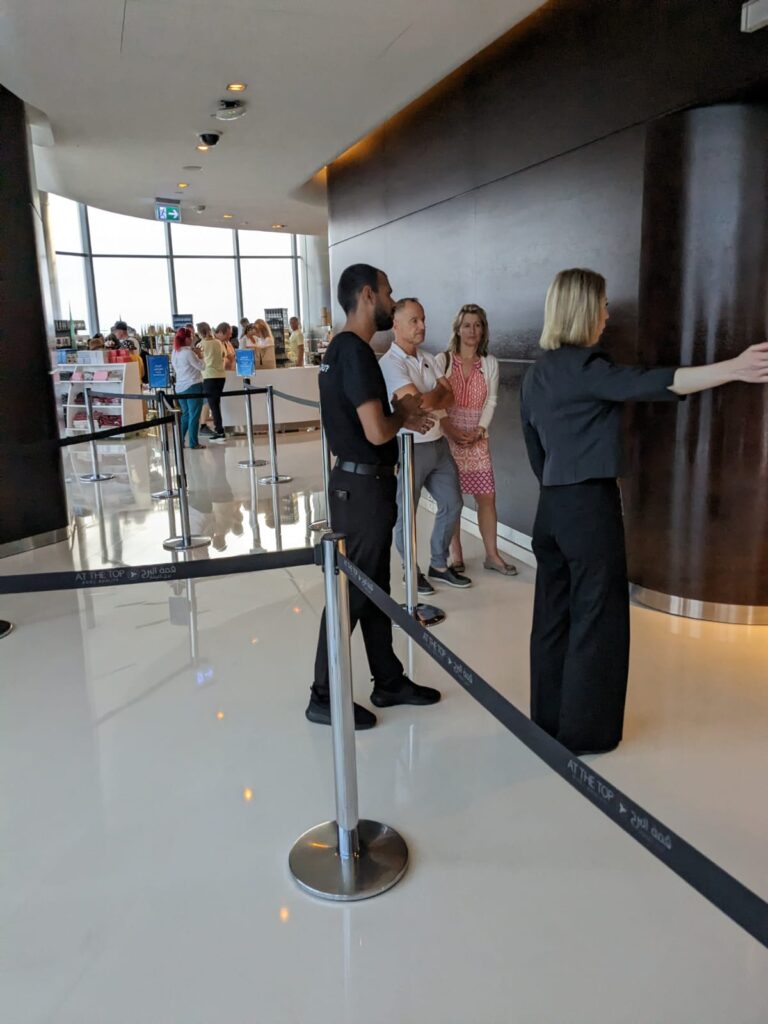
After the chicken feast, the hunt for the Burj Khalifa entrance through the Mall app. Directions were unclear; nearby store staff were not helpful; locals eventually showed us the way. Burj Khalifa offers prime and non-prime slots in three configurations: Level 124-125, Level 148, Sky Lounge. We wanted prime sunset on Level 124-125. Klook Pass covered non-prime, so I bought the prime upgrade separately on Klook at 22,100 INR.
The procedure: queue, bag check, phased elevator entry. The elevator itself is a thing. Ears popped going up, with light animations on the LED panels marking the floors.
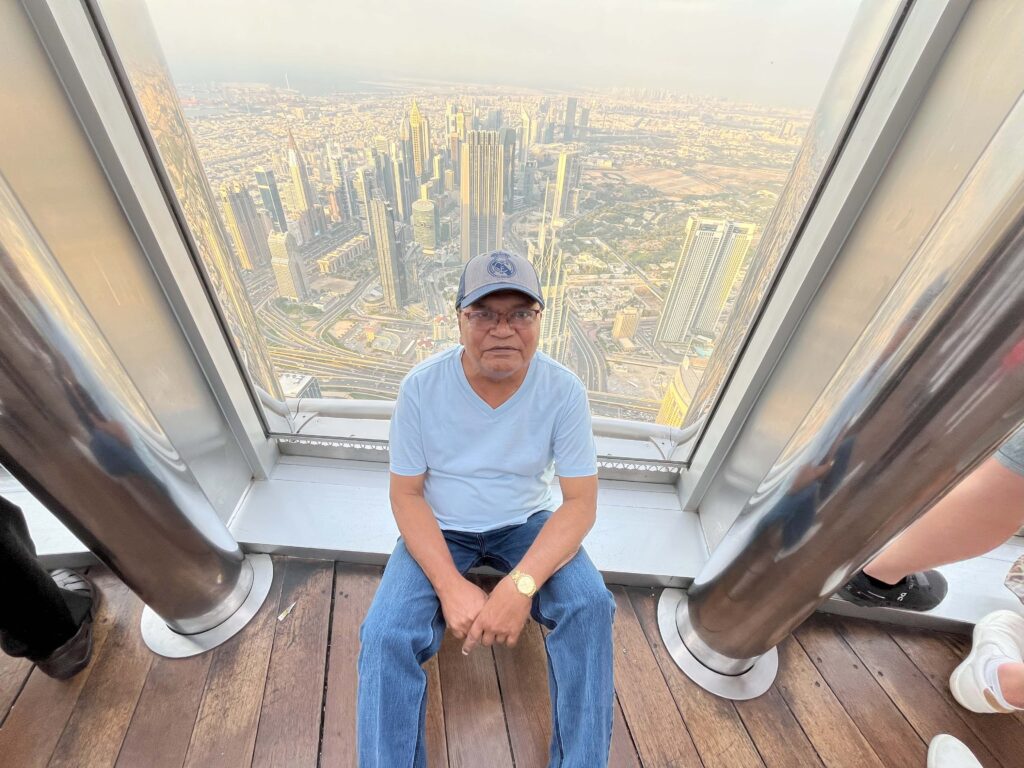
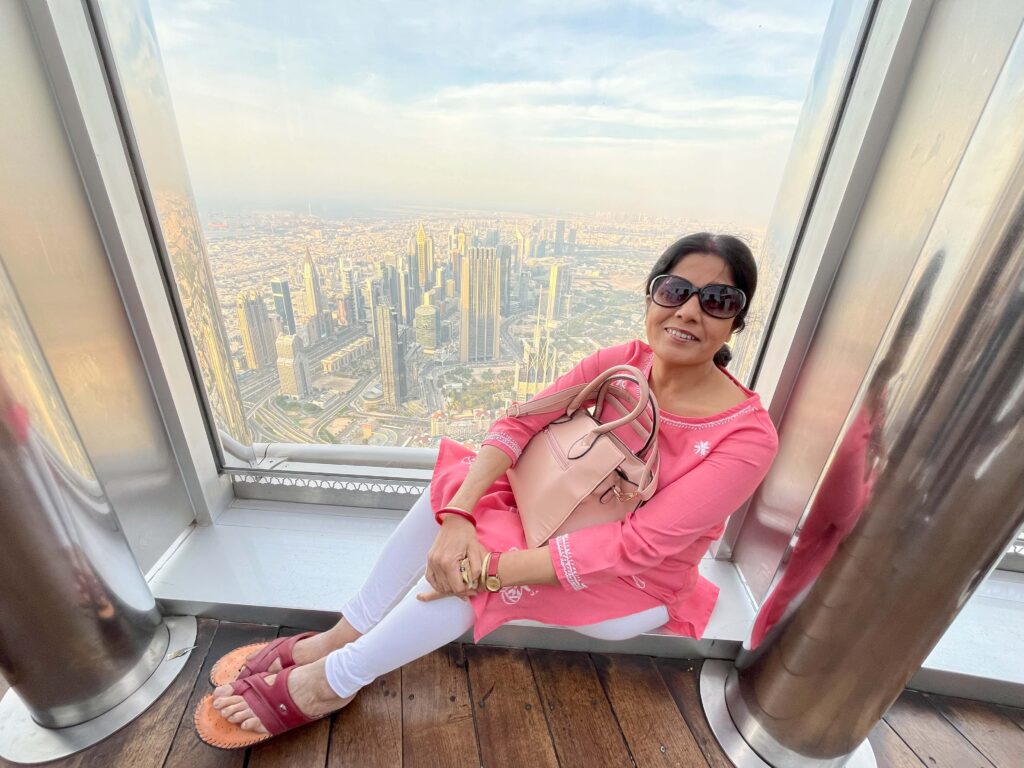
Top floor was windy. Near-360° view through toughened glass over the Dubai skyline. An overpriced merchandise shop on the way out. We waited 40 minutes for sunset; at 5:10pm the sun dropped through overcast clouds. Architecture and view delivered. We descended for the last item on the Mall list.
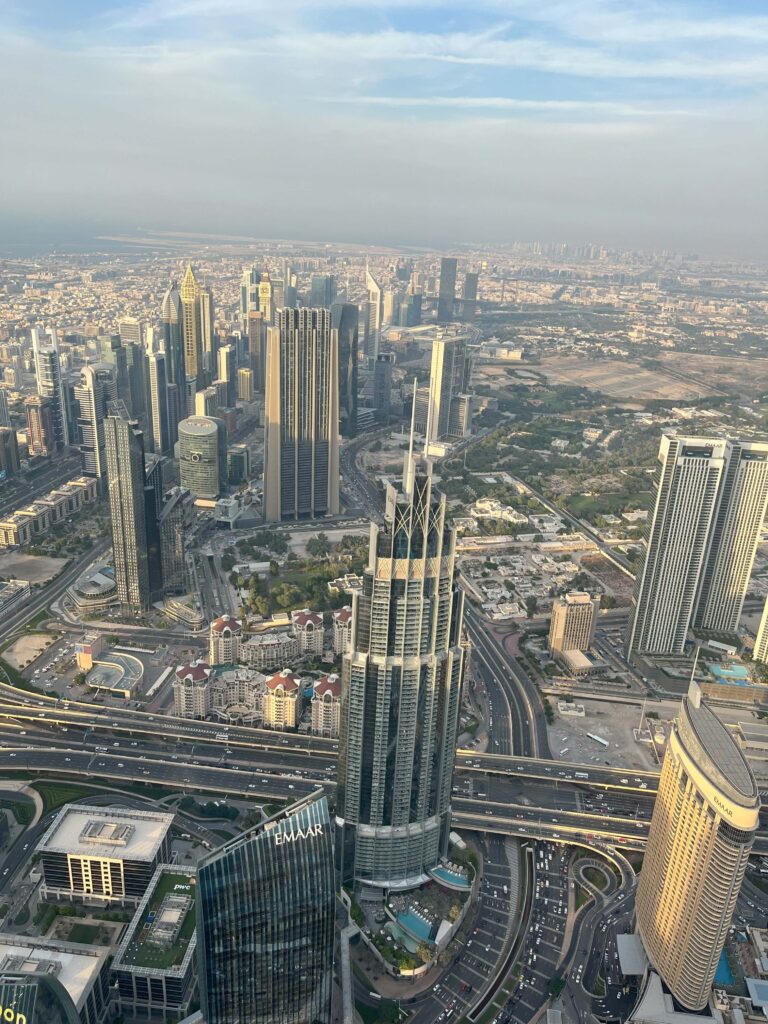
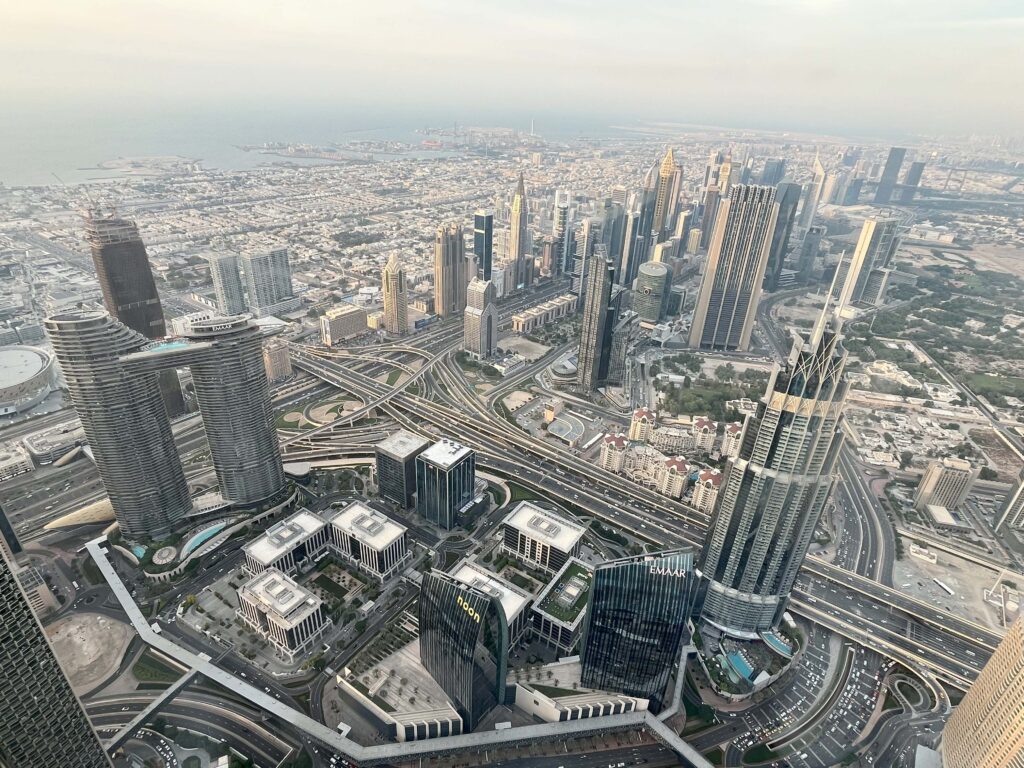
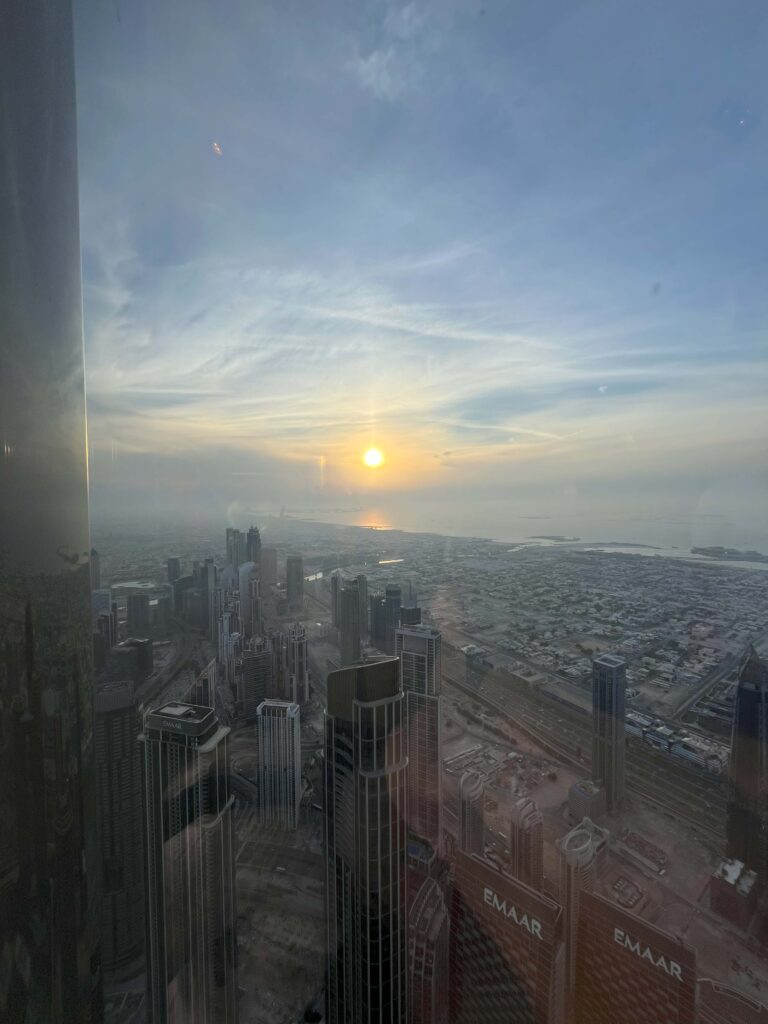
Some shopping happened in the hours before, which I am skipping. One callout: the Apple green-certified store sits in an exceptionally prime position with trees growing inside. The attached balcony gives a fish-eye view of the central mall — easily one of the better vantage points in the building.
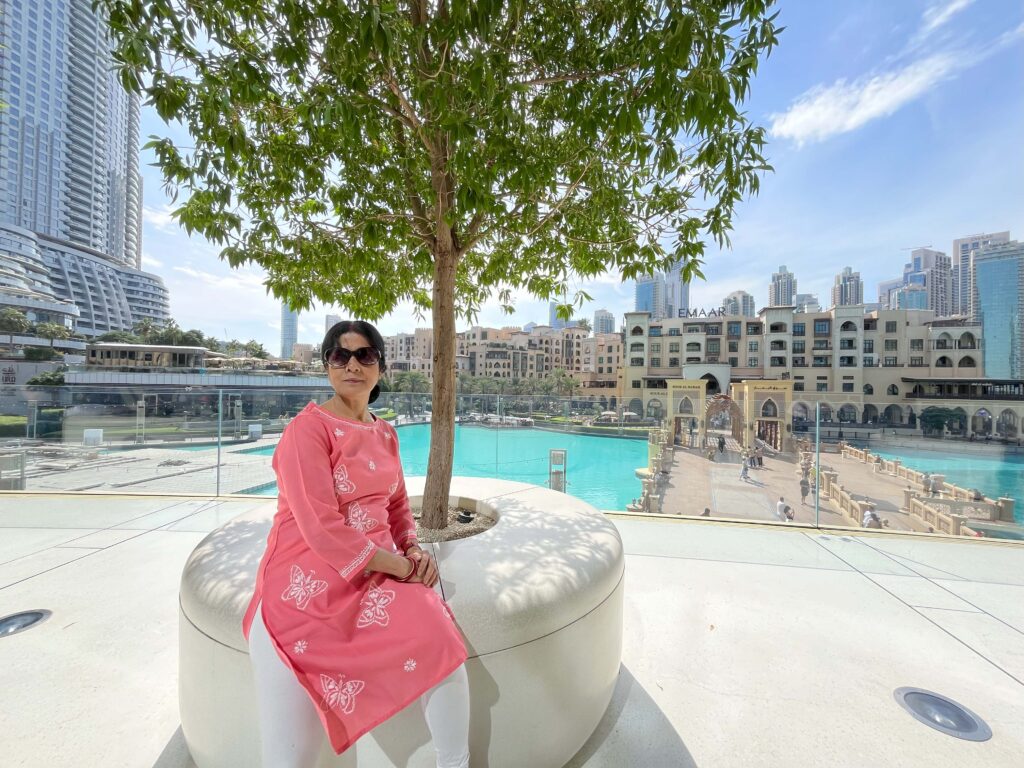
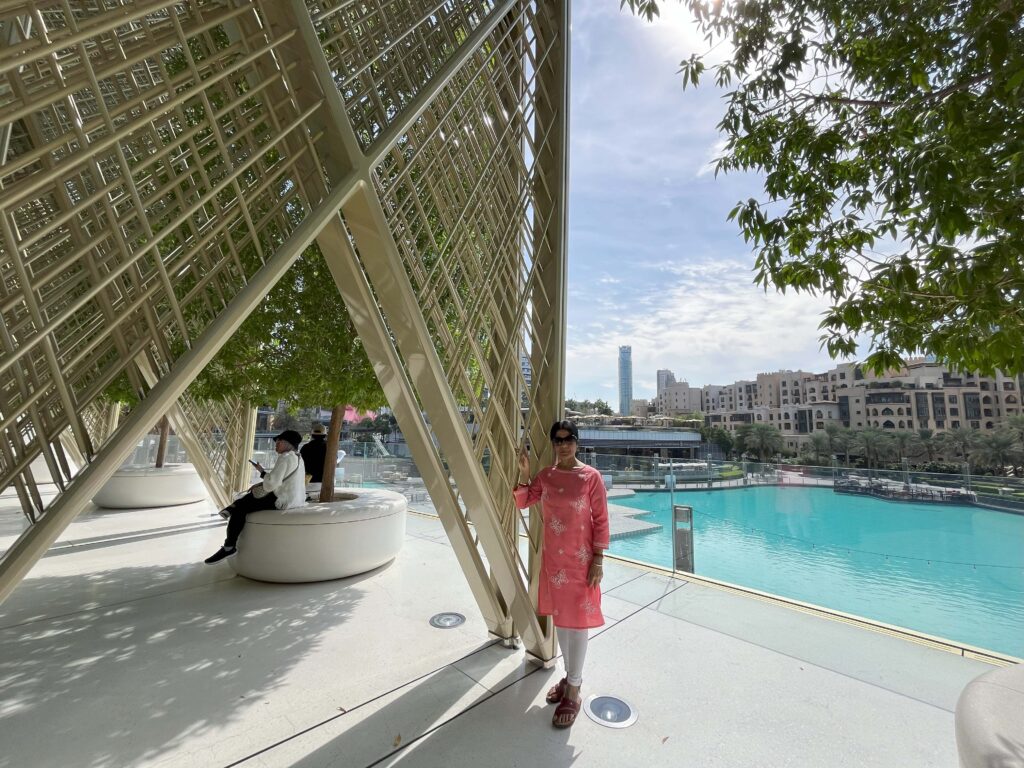
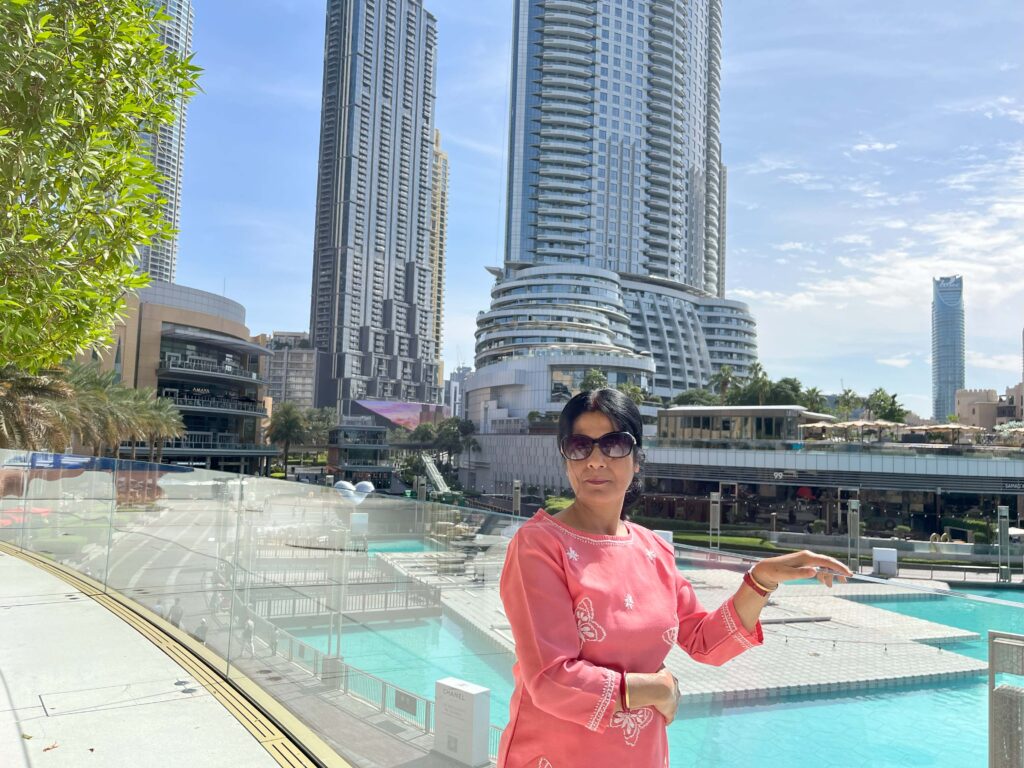
Dubai Mall also runs an ice-skating rink in the central foyer. Active scene, mostly children with instructors.
Aquarium tunnel was the final activation. Tickets punched again at the entry. The tunnel is straightforward but the volume of fish, sharks, and rays around you is not. Walking through with sharks circling overhead is the frame that makes the visit.
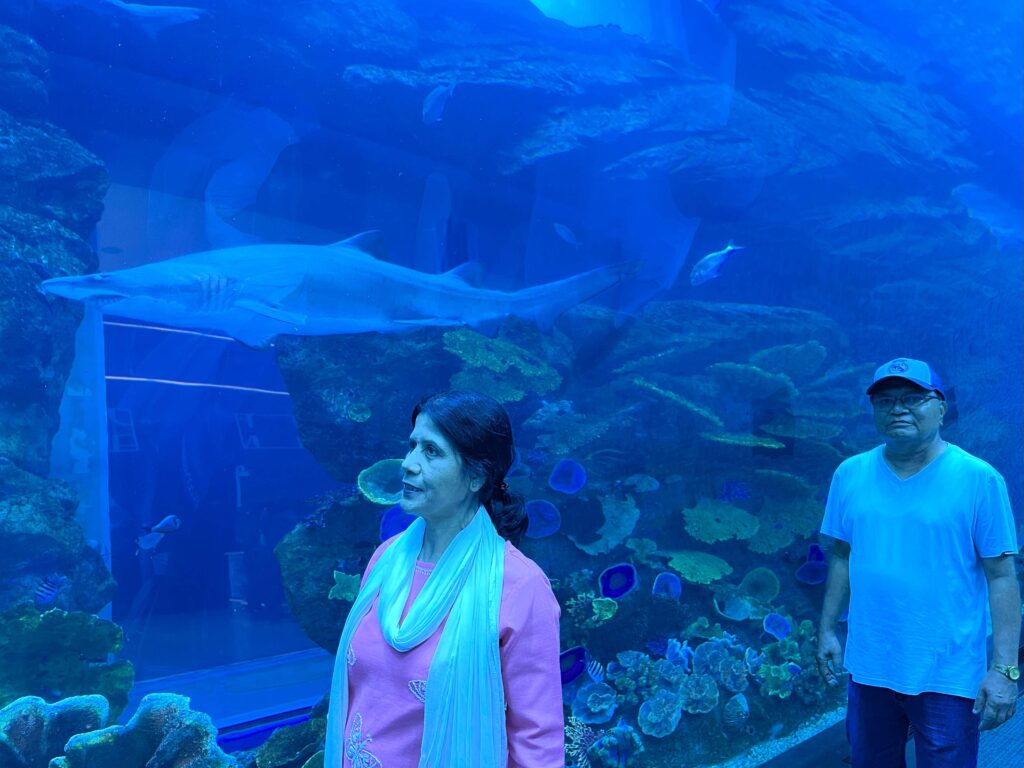
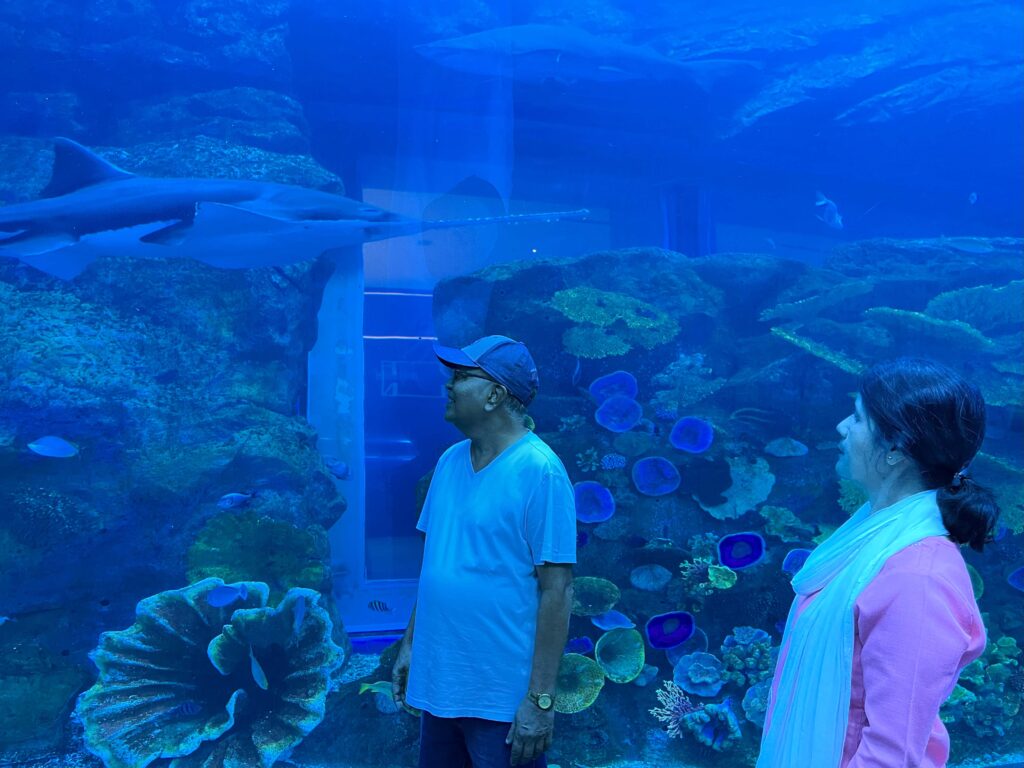
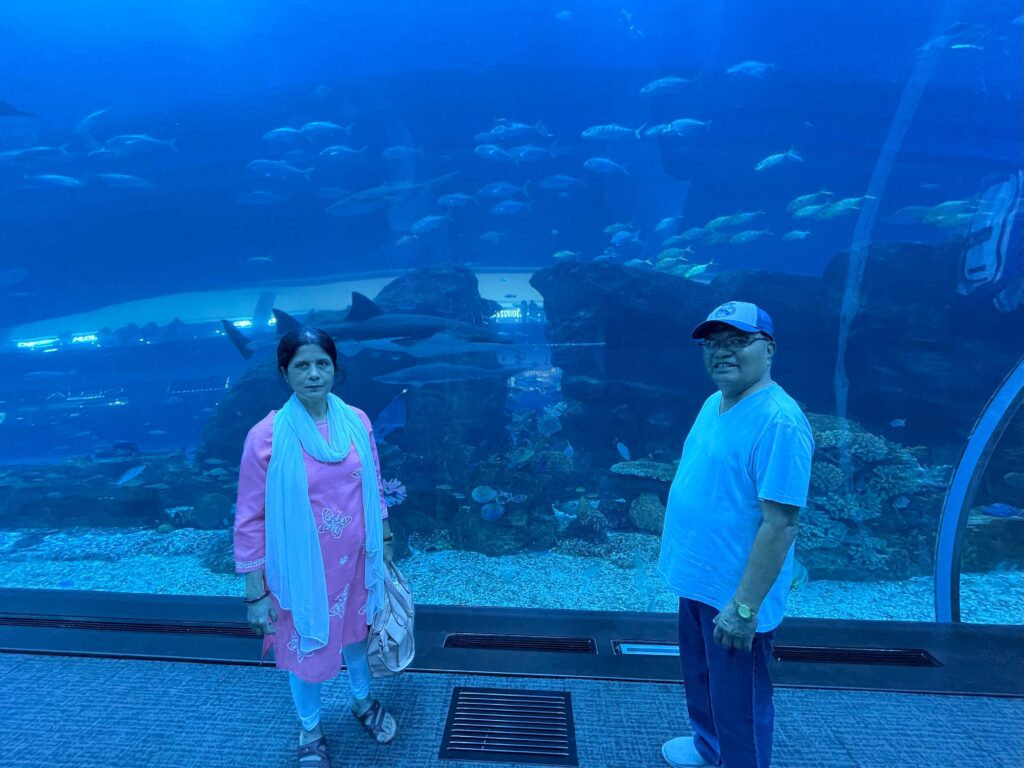
Then the parking maze. P1 is six (or more?) levels of garage and Uber’s pickup-spot guidance is a known weakness here. Some running around later, we left at 6:10pm and were back at the hotel by 6:50pm. Bill: 2300 INR.
Day 4: Palm Jumeirah and Dubai Marina
Brief hardware detour: I had ordered the Bose QuietComfort Ultra earbuds the previous night after confirming with a Bose rep at Dubai Mall that the warranty would carry to India. Amazon priority shipping, 24,000 INR. Earliest delivery slot: 12 November. We started the day late, waiting for the package.
Quick fact about Amazon.ae: the courier’s contact is not shared with the customer (unlike India), and the customer reads out the OTP at the door for high-value items. The package landed at 2pm; evening plan stayed intact.
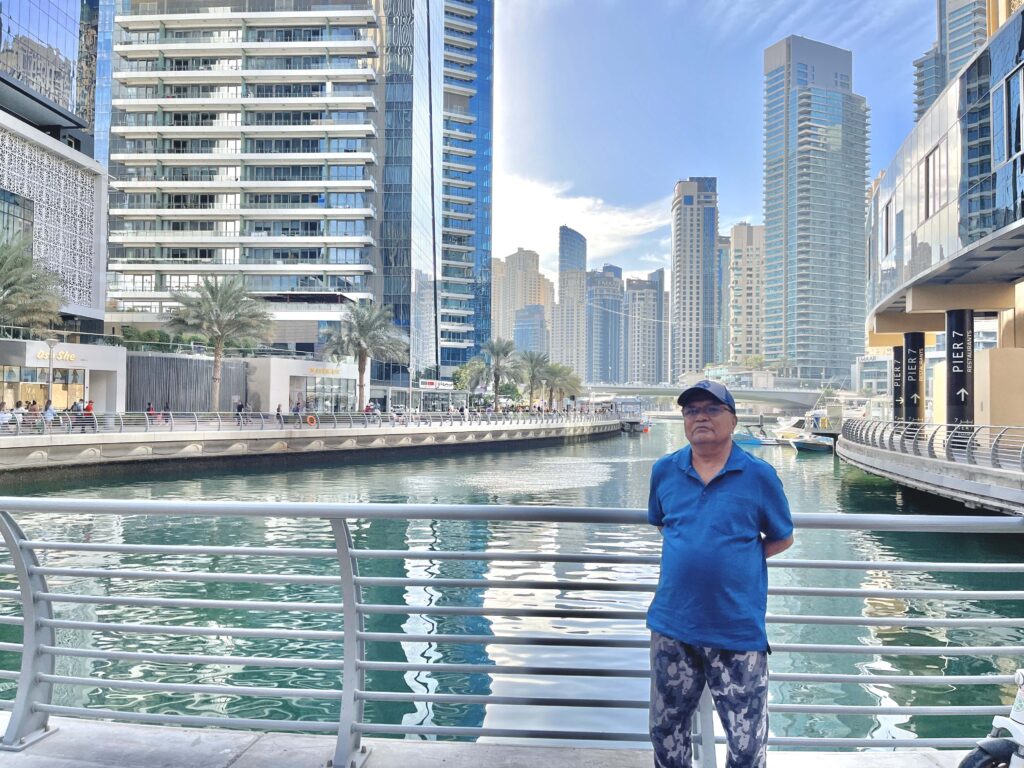
UberX at 2:35pm to Dubai Marina, 2:57pm arrival, 1000 INR. Marina is artificially-built coastline dressed in coffee shops, malls, and walking paths fronting some of Dubai’s premium hotels.
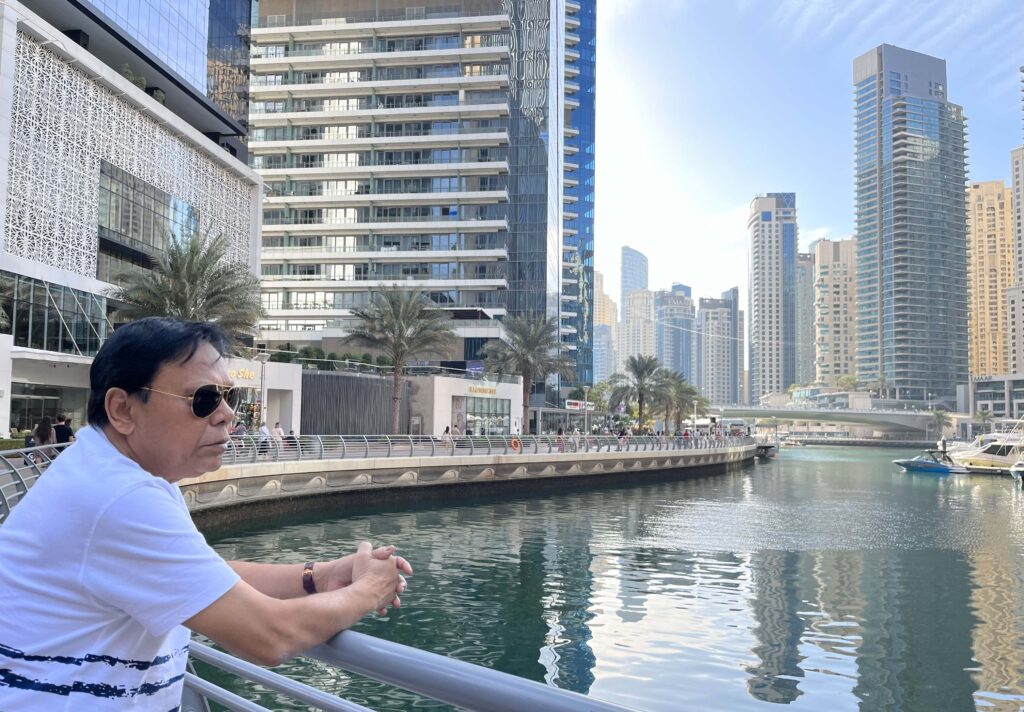
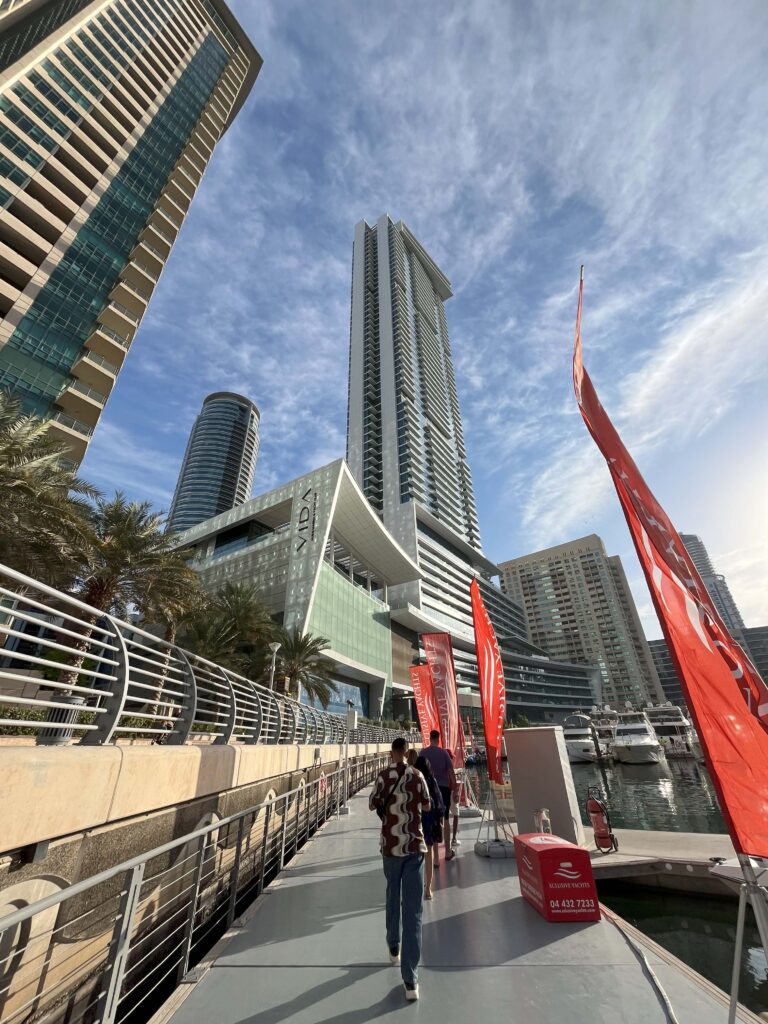
Klook Pass activation #2: the speedboat sightseeing tour. We took the 4pm slot, with boarding 10 minutes prior. The team needed a bathroom run — the speedboat is roughly 2 hours into the open sea with no toilet. By the time we were back, the shared boat was full. Xclusive Yacht Rentals Dubai held us, arranged a second boat, and effectively converted our slot into private. Sail at 4:30pm.
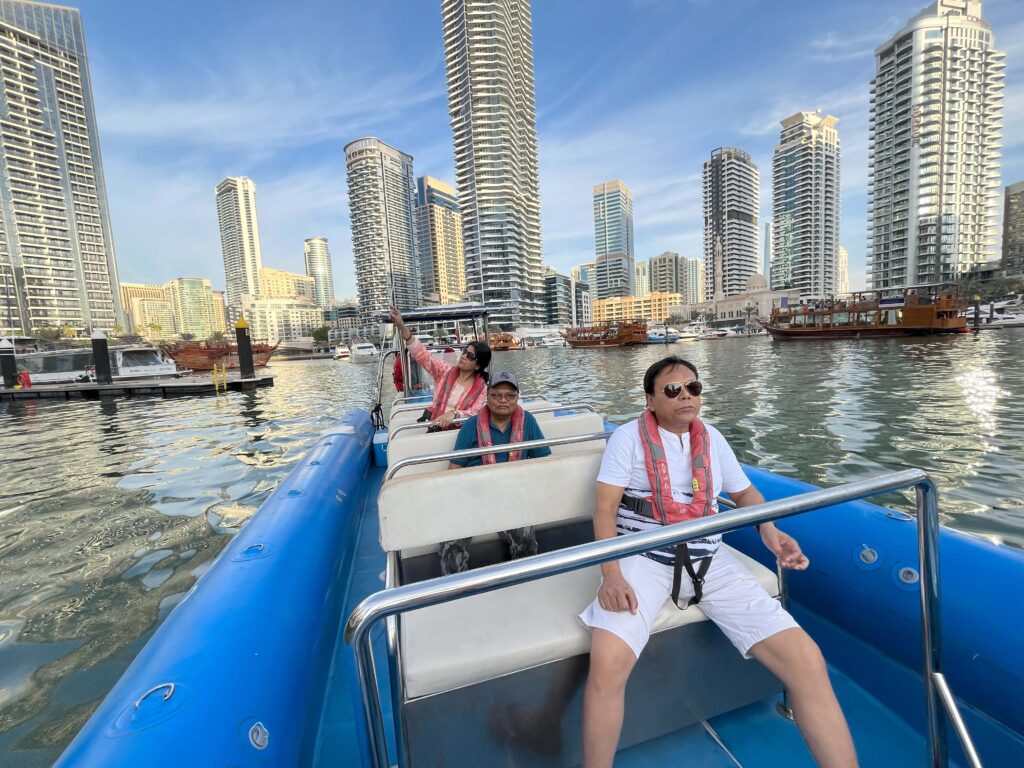
What followed was unannounced. The boat hit open-sea chop at speed. We were bouncing high enough that I asked the helm to ease up before someone got hurt. The route covered Dubai Marina, the perimeter of Palm Atlantis, a pause at Burj Al Arab, and a drive-by of the reigning monarch’s private islands and the property Shah Rukh Khan owns on the Palm. Senior travellers in the family group made it a daring choice in retrospect; in practice, the most memorable hour of the trip.
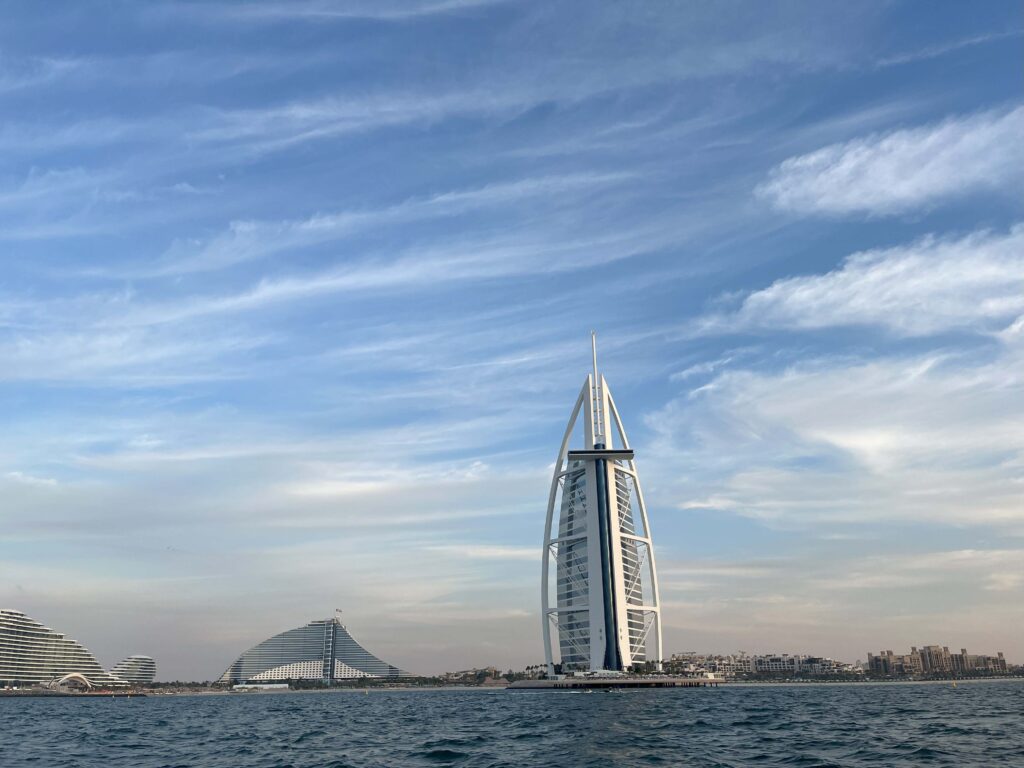
Back to shore by 6pm. A few hundred metres on foot to DMCC metro. 70 INR each on the Red Line to Onpassive station. Train was not packed; office returnees, mostly seated.
Day to Day Hypermarket sits next to Onpassive. We finished all the bargain shopping there. Booked the standard UberX home; got a Toyota Prius 7-seater that handled the bag haul. Trip cost: 1900 INR.
Day 5: Dubai Frame
Tested the hotel shuttle for the first time and was at Al Furjan station in 5 minutes. The counter agent steered us to the ticket vending machine. Tickets to ADCB station (further than Onpassive) involved a zone switch, so 120 INR each. From ADCB an Uber for 500 INR (or a 20-minute walk through the adjoining park) put us at the Dubai Frame gate at 1:10pm.
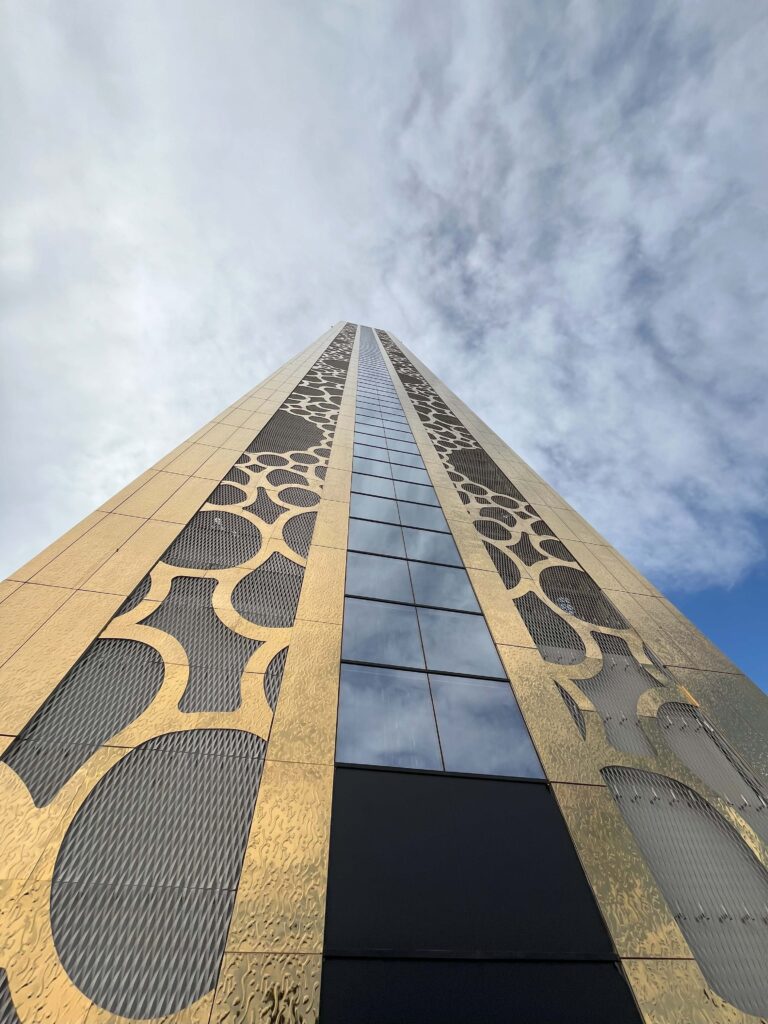
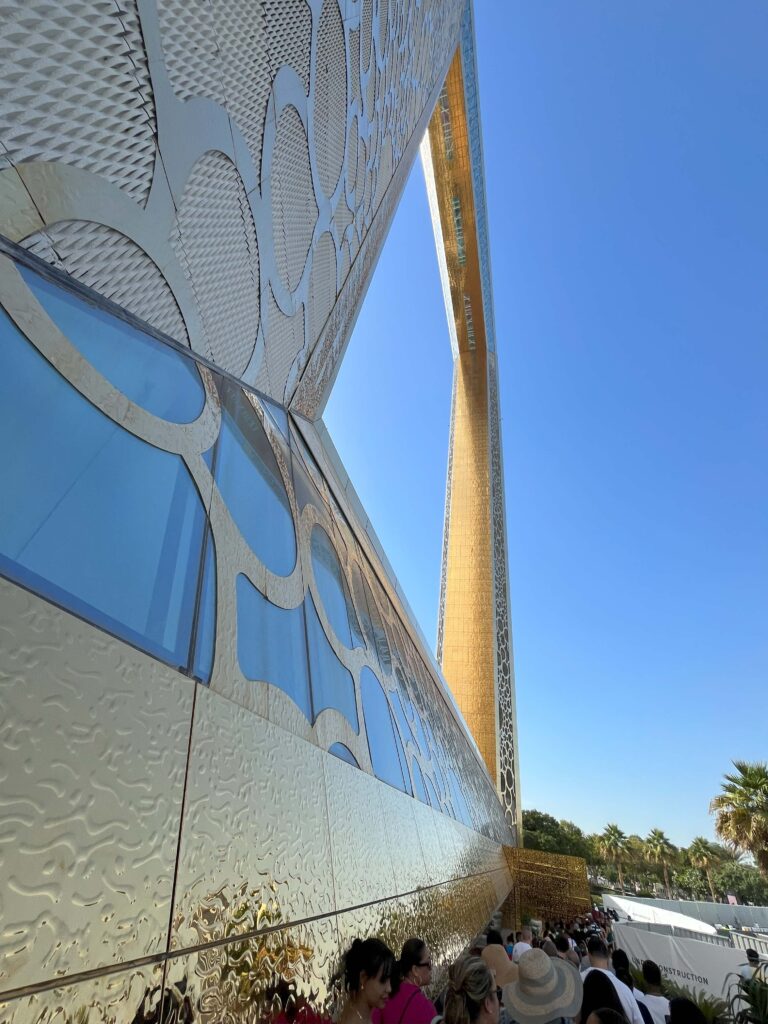
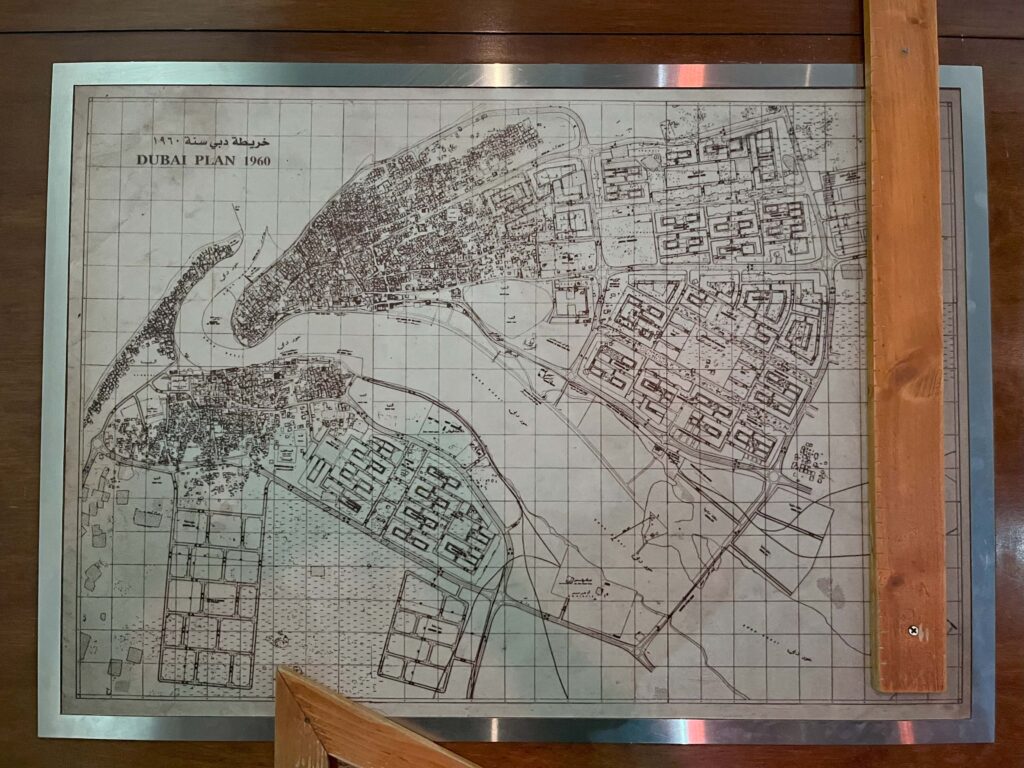
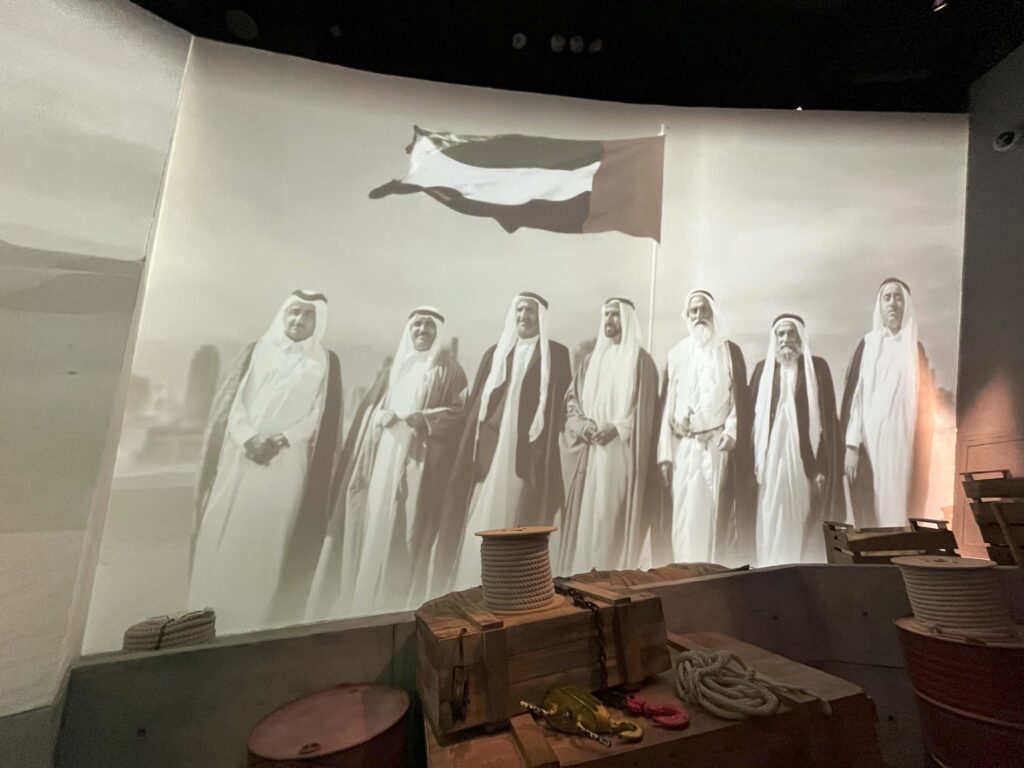
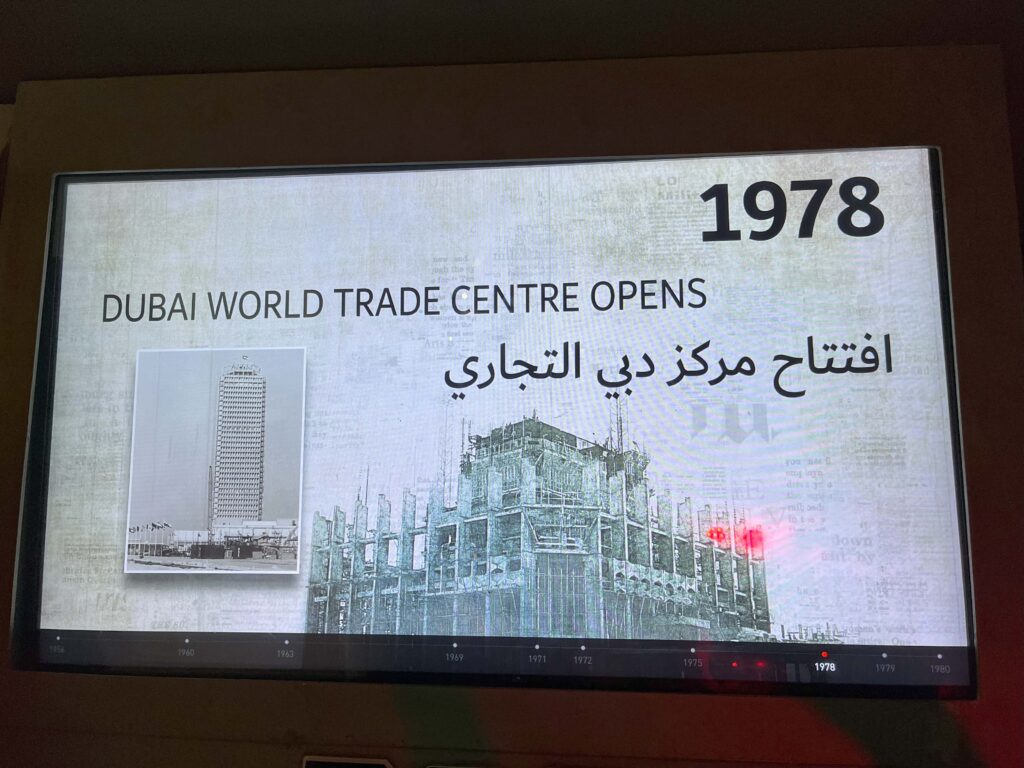
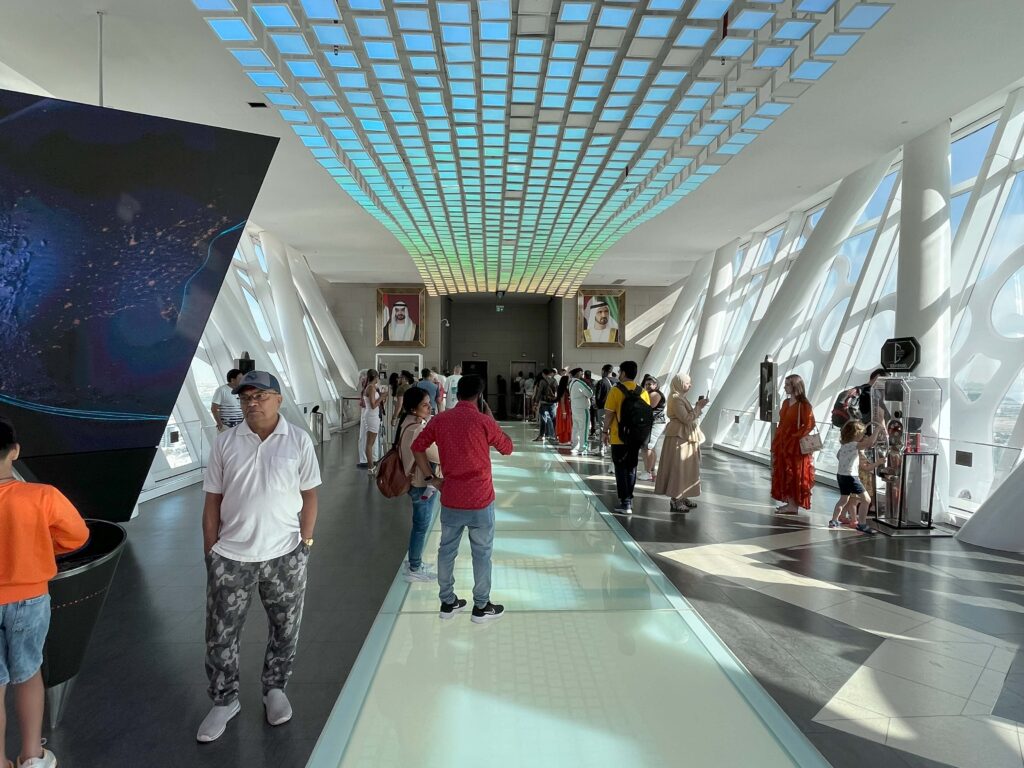
Klook Pass activation #3: the Dubai Frame. Wait time crossed an hour. Pleasant weather softened the queue. Inside, the first section runs a video of the UAE’s history and Dubai’s transformation.
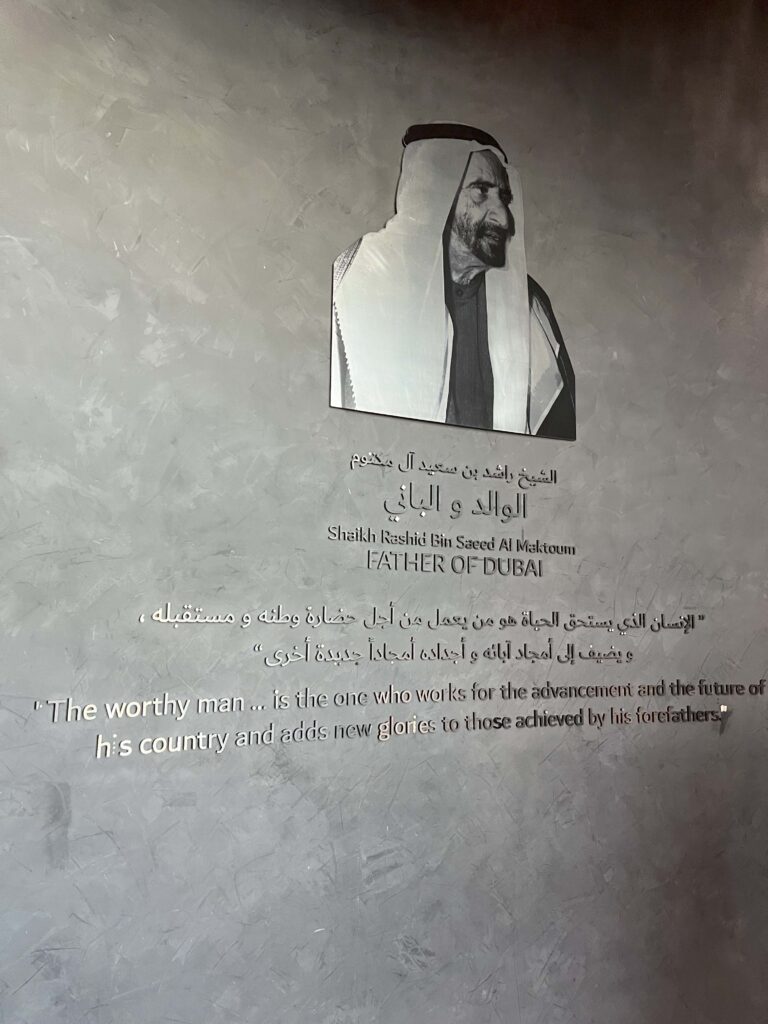
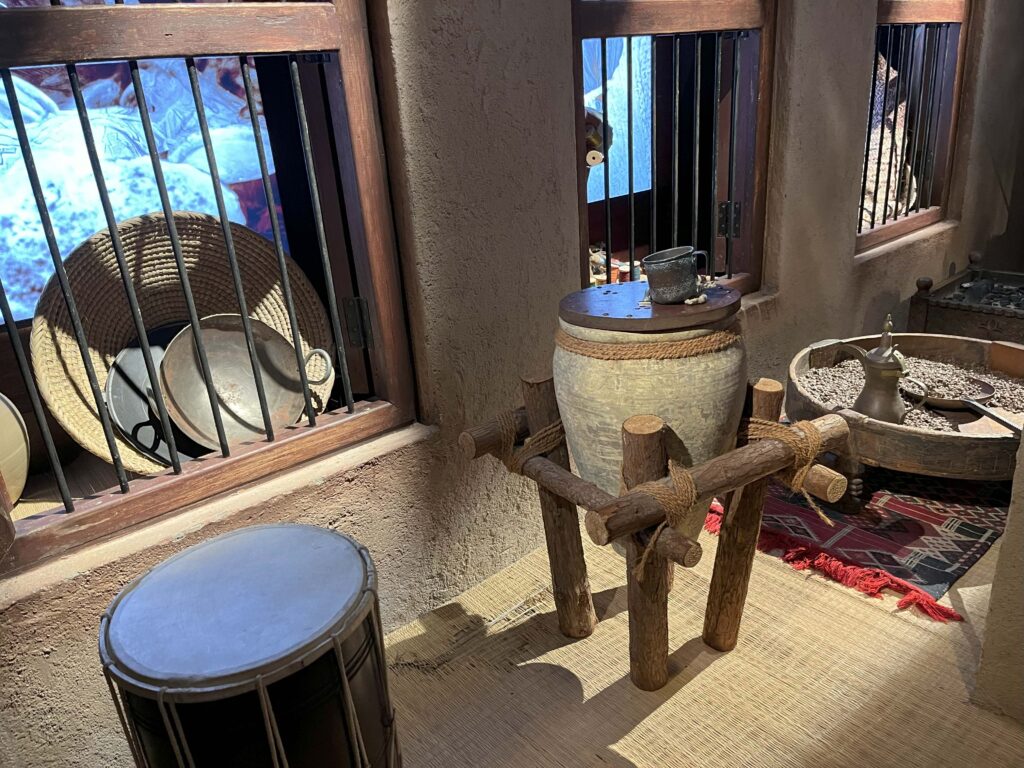
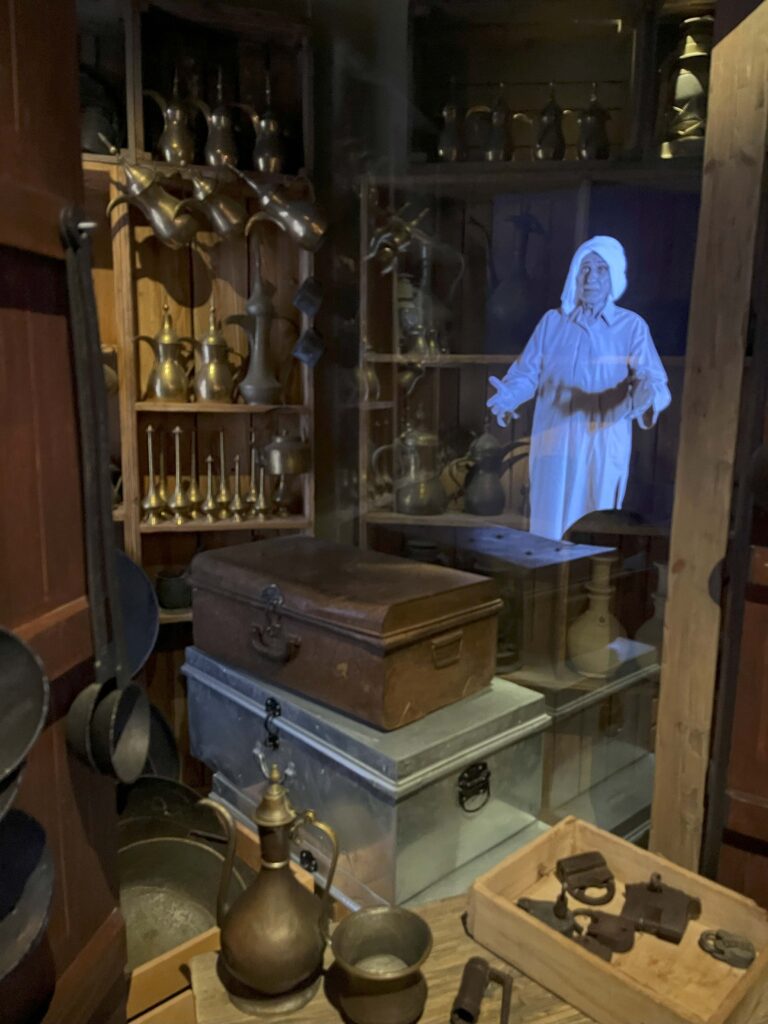
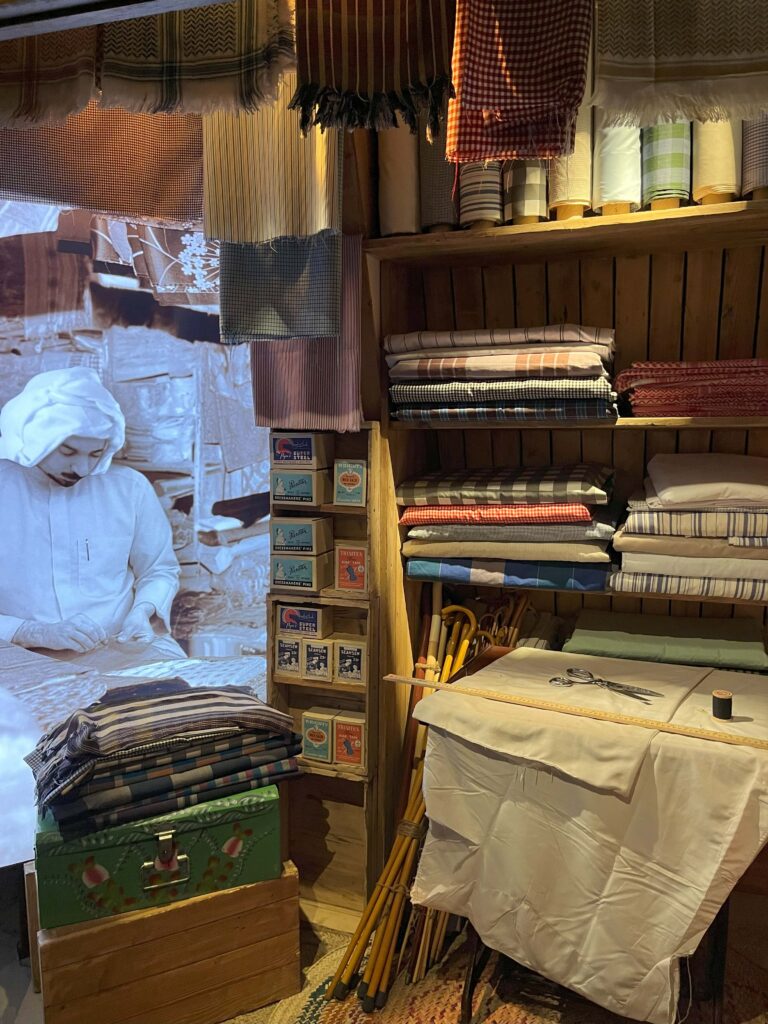
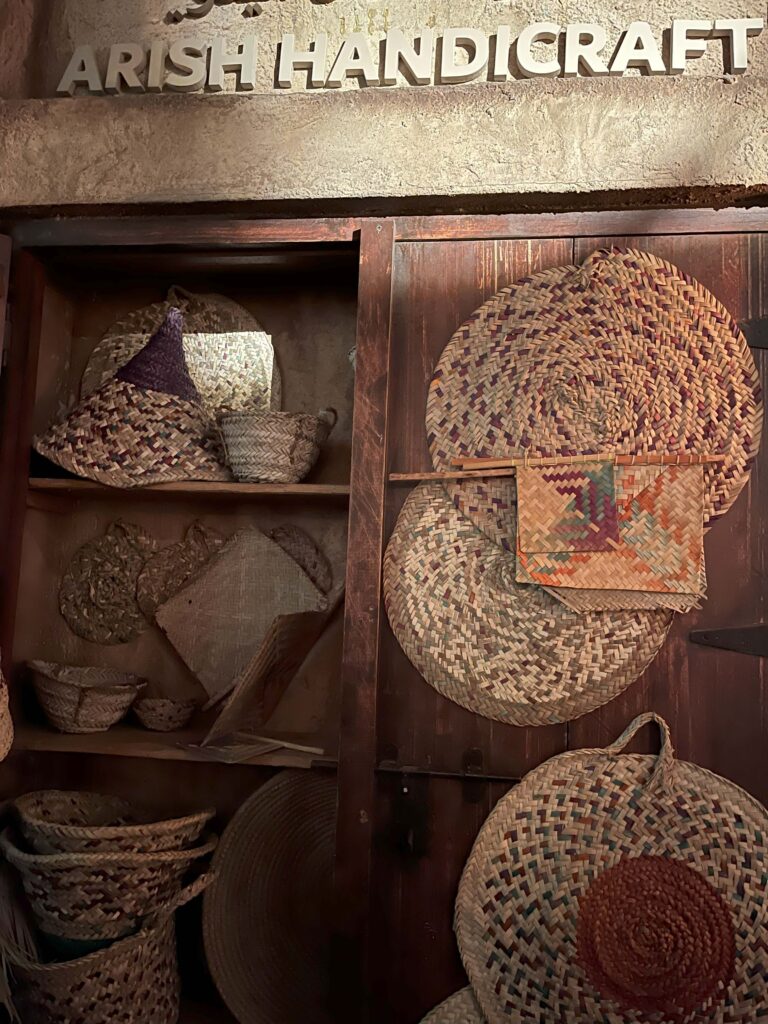
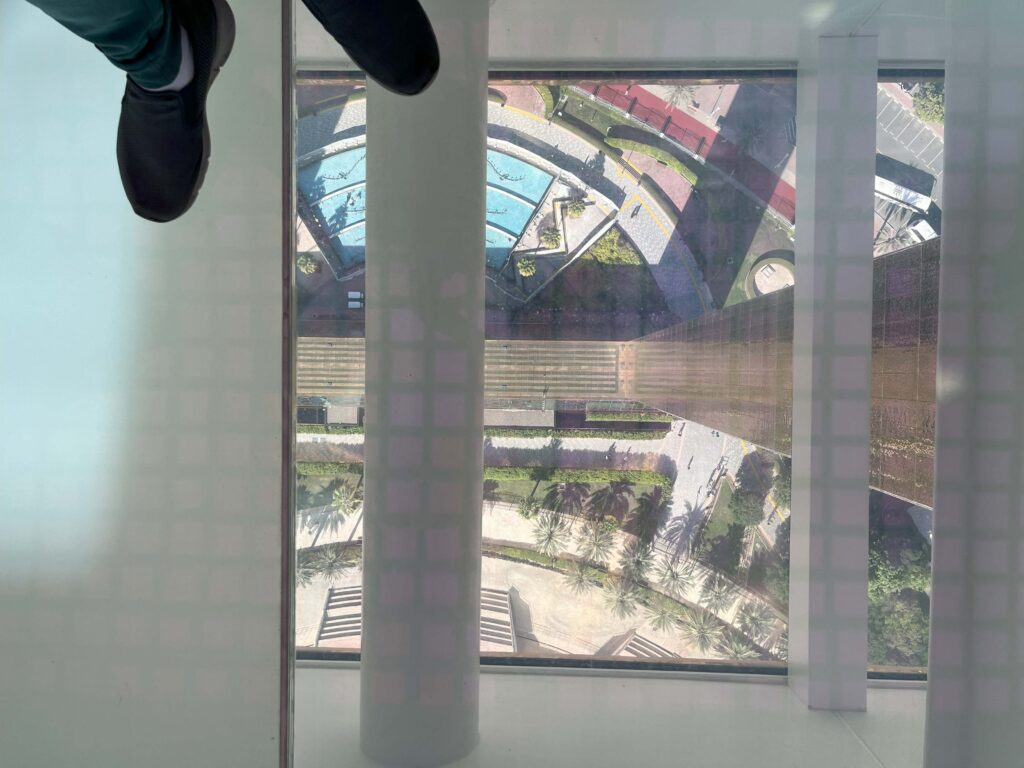
Elevator to the top of the monument, where you walk through the literal frame. Glass floor over Al Zabeel Park.
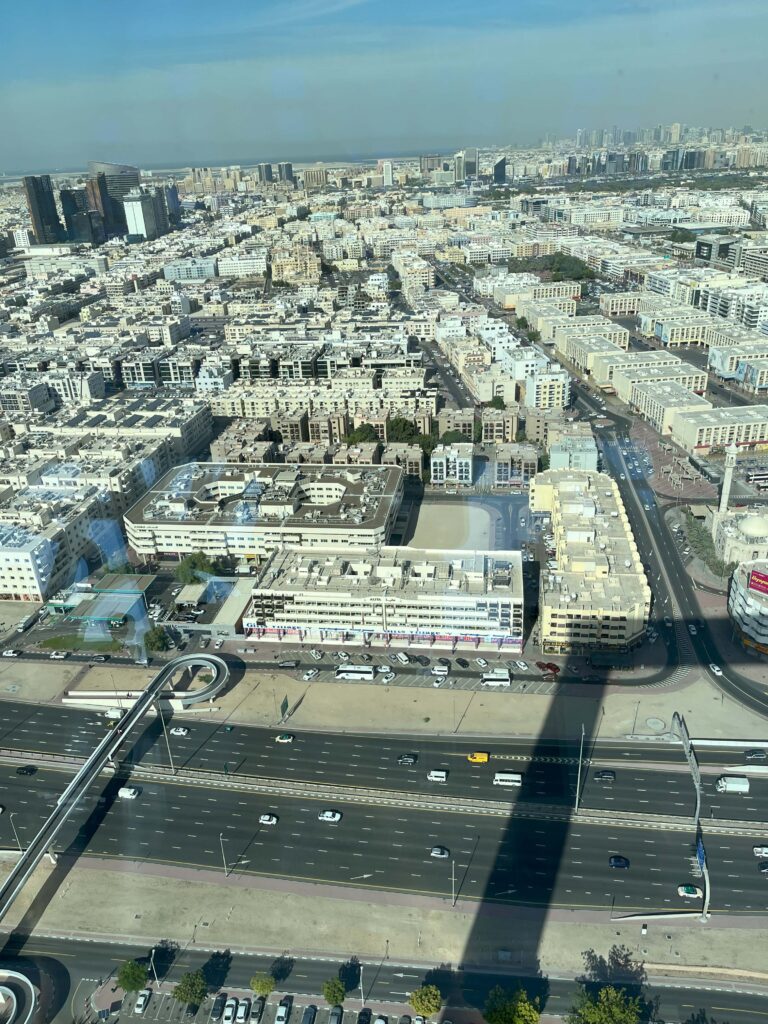
From the observatory: Old Dubai’s smaller, older houses on the right; modern high-rise Dubai on the left. The frame between past and present, executed in steel and glass.
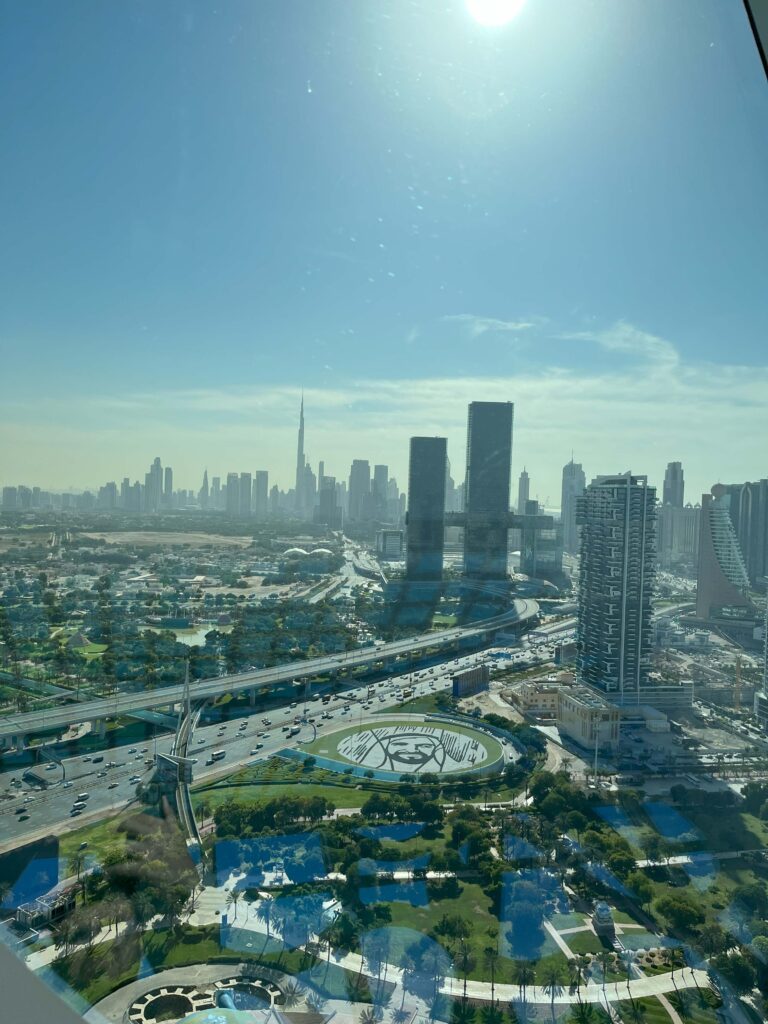
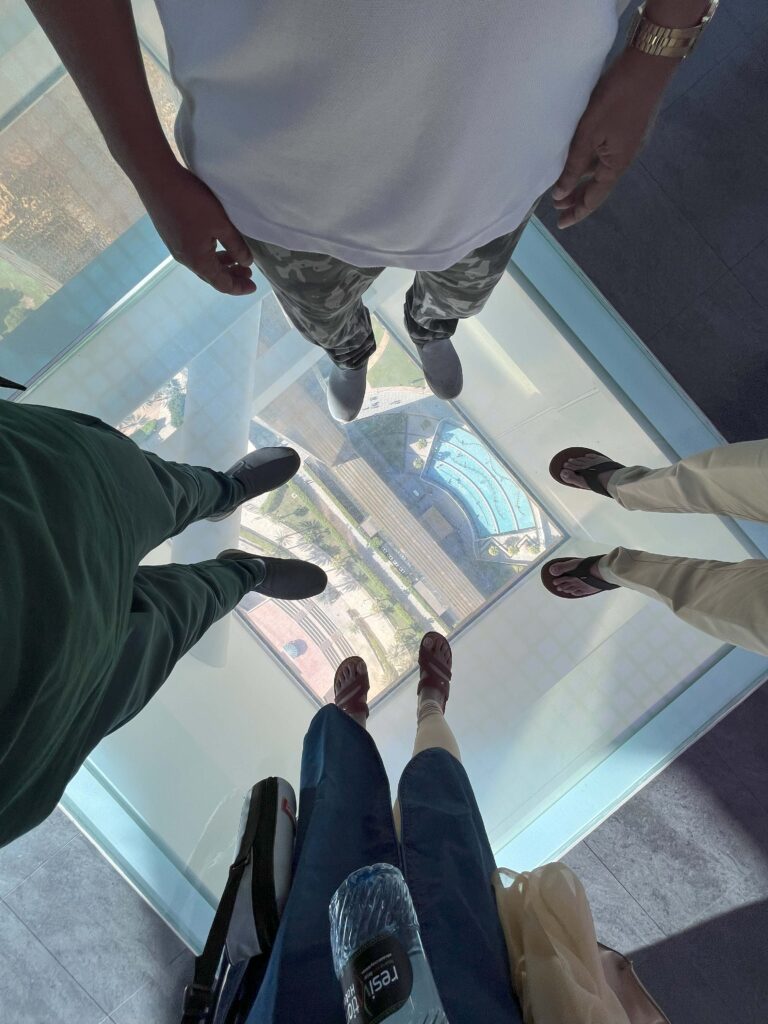
On the descent: a 270° feature presentation of Dubai’s future. You stand inside the screen as a moving city projects around you. The most affecting display of the trip — the actual point of being here, condensed into ten minutes.
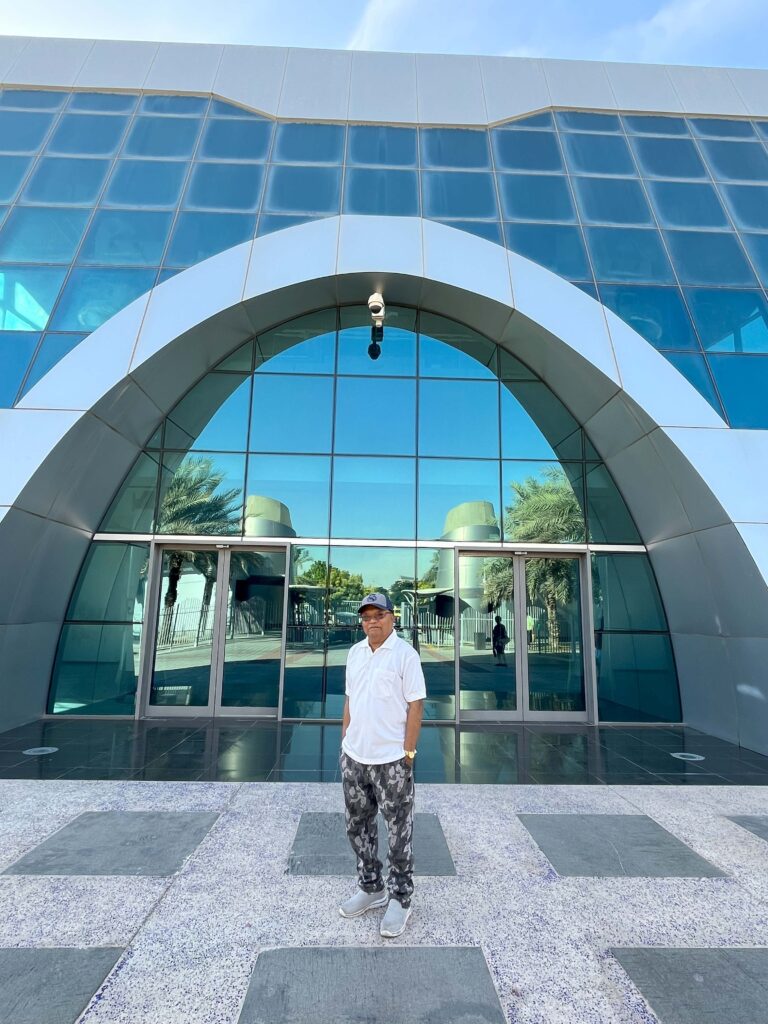
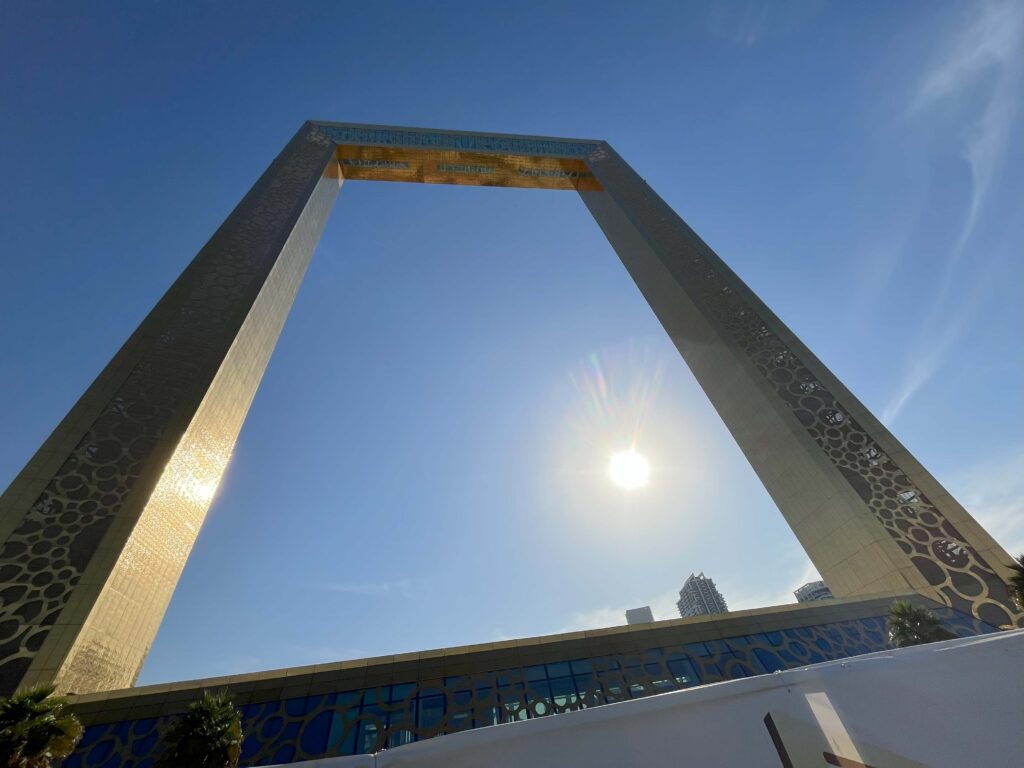
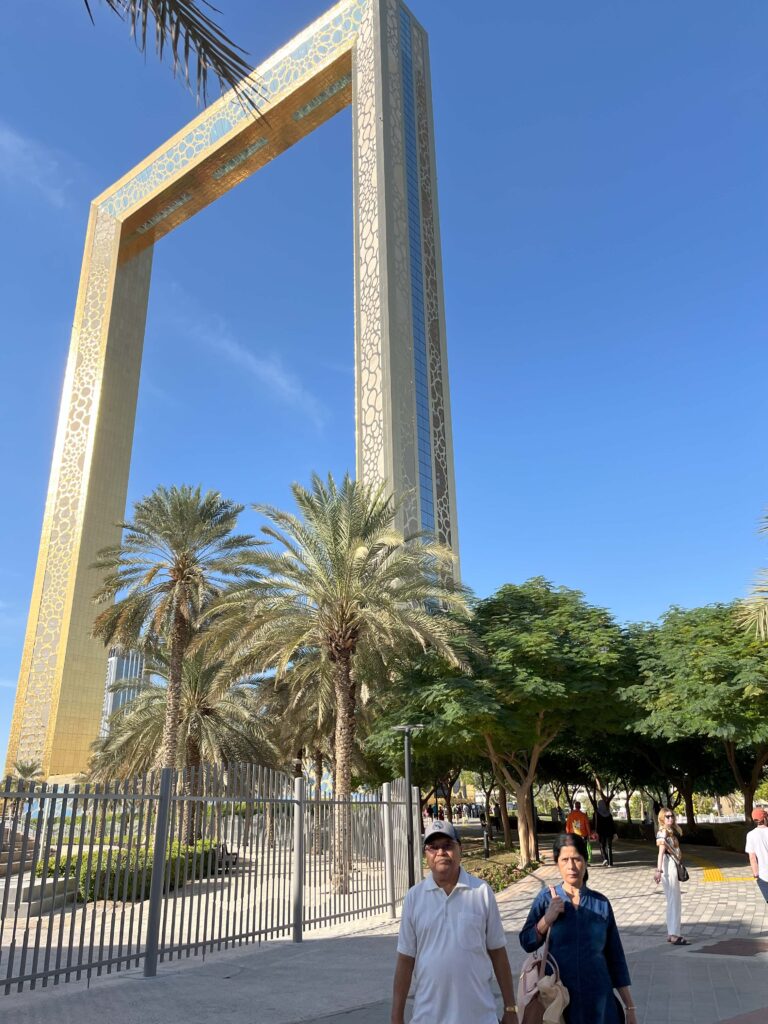
Out at 3:10pm. Uber back, 2700 INR, hotel by 3:42pm. Light lunch at the hotel. Started for the airport at 4:27pm in an UberXL. Heavy traffic put us at Terminal 1 only by 5:40pm. Most expensive ride of the trip: 5000+ INR.
Departure formalities and airline counter queue were exhausting. We took the internal transit metro to the proper airside, then went straight into the lounge. Mahaba lounge accepted Visa and Diners cards; we paid 2800 INR each for two non-cardholding guests. 4-hour wait. Food was excellent and the beverage spread was right-sized for dinner.
Field Notes
- Climate. Comfortable November to March. Pack light. Summer is brutal — recorded high is 49°C. AC is everywhere, year-round.
- Skip the package tour. The city is meticulously planned and connected. Cabs, Uber/Careem, metro, and buses cover everywhere comfortably.
- Use the apps. Dubai Mall, Global Village, the major venues all have apps. Mandatory for navigation at this scale.
- Cosmopolitan in the truest sense. Different countries and ethnicities living alongside each other in a way I have not seen elsewhere.
- Cheap if you squint. A 1 AED tea at the supermarket vs. 20 AED at a restaurant. There are options for every spend tier; you have to think like a resident.
- Safety. Among the safest countries I have visited. Holds across all seven emirates.
One Recommendation
Spend at least one day outside Dubai, Sharjah, and Abu Dhabi. The core memory of this trip came from RAK and Fujairah. They run a different register entirely — older, slower, more rooted.
Mae Alsalama Al Habibi.
Sayantan