The Trigger
December 2014. Abhishek calls from Powai: he’s heading to Lavasa with his family for a day trip and there’s a seat in the cab. Friends had been writing the place off for years. Underdeveloped. Half-finished. A political mess. I went in deliberately blind. No Google. No expectations. Best decision of the trip.
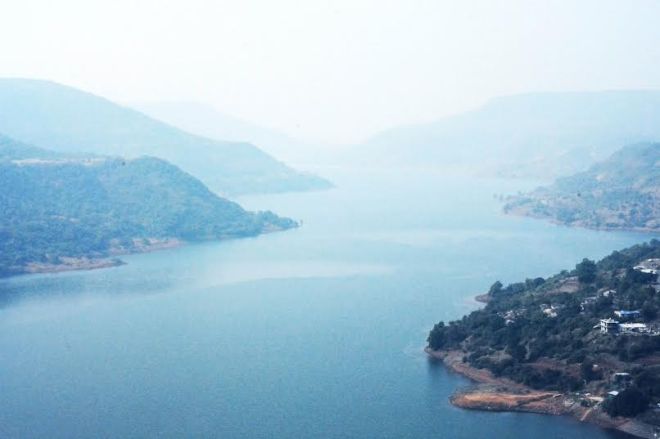
We left Powai at 7am in a TaxiForSure cab. Three of us, 186 km of expressway between Mumbai and the Sahyadris. Pre-sunrise traffic out of Mumbai is not a fight you pick. You endure it.
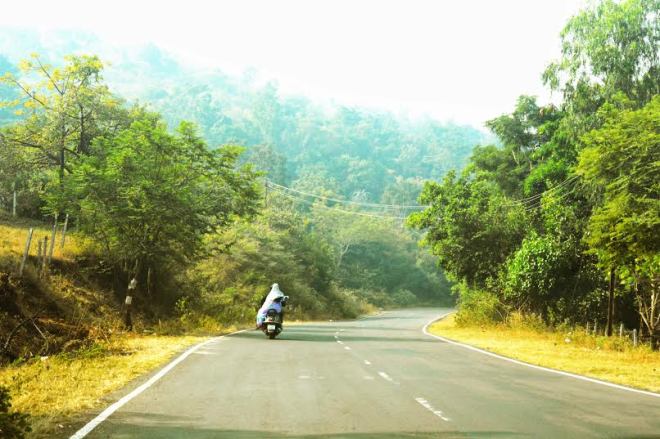
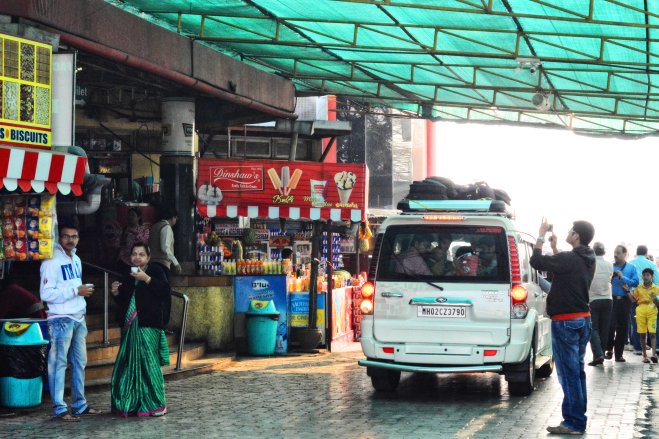
The Mumbai-Pune Expressway carries the easiest stretch of the run: six lanes, well-built, the kind of road you forget you are on. We pulled over for breakfast at the standard halt, a strip of canteens lining the parking lot where every Mumbai-Pune driver eventually stops.
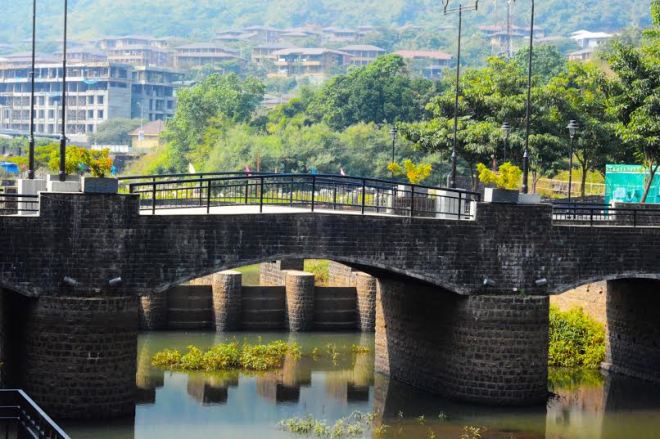
Three hours in, the highway peels off and the road starts climbing. The spiral begins. Inclines steepen. Corners tighten. Then the bridge appears. That is the city.
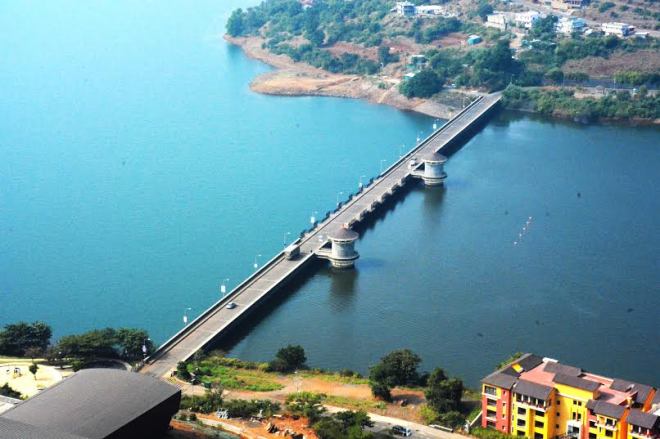
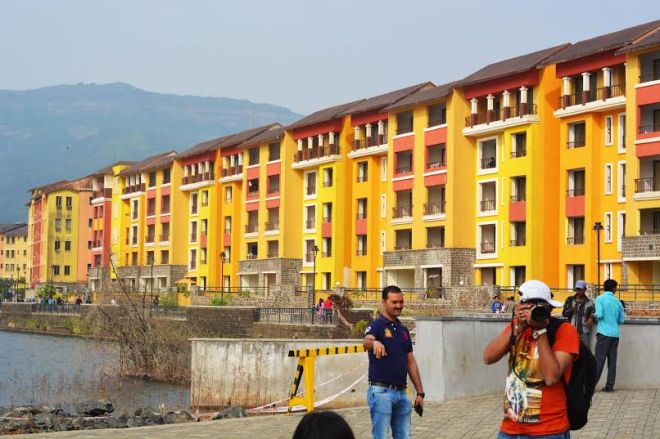
Lavasa is built on borrowed grammar: Copenhagen waterfront, Venetian footbridges, painted facades stacked along an artificial lake. The planning is so deliberate it almost feels staged. Paved walks. Arched bridges. A complete absence of the roadside chaos every Indian eye is calibrated for.
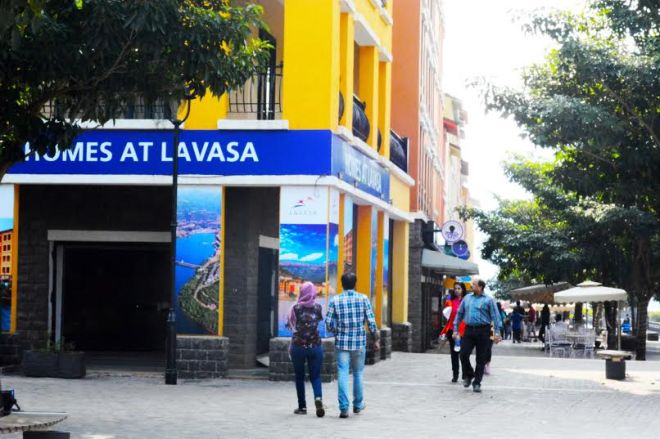
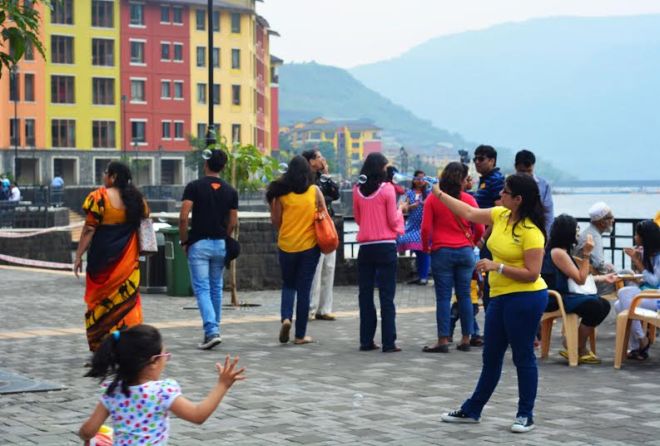
The promenade carries Cafe Coffee Day, Baskin Robbins, a mini theatre, and a string of restaurants. Children play on the sidewalks. Sidewalks that are actually swept.
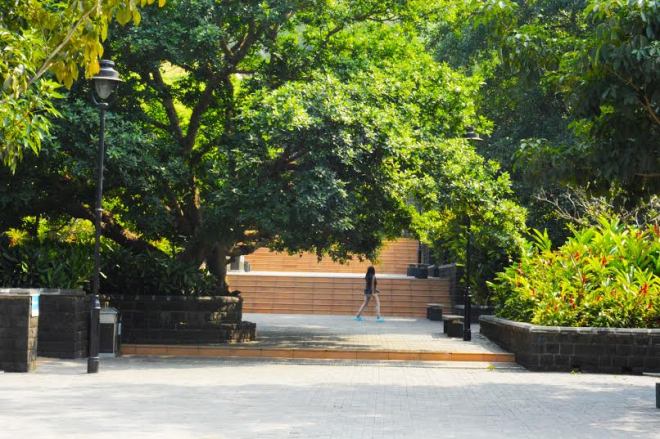
The environmental case against Lavasa is real and well-documented; political battles have stalled the project for years. From the ground, though, it is hard to see brutality in this much greenery. Tree cover threads through brick and stone. A clearing here, a stairwell there.
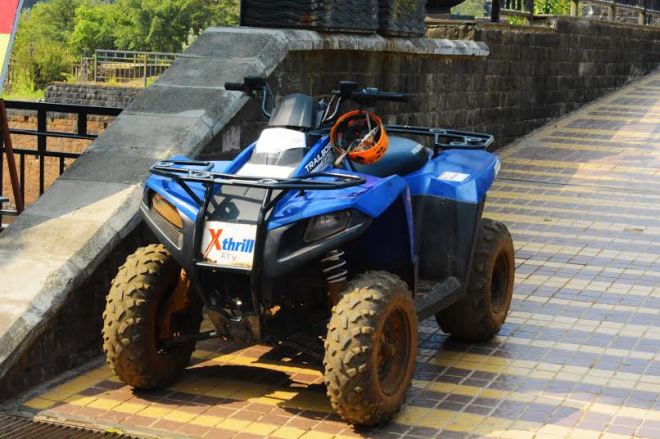
If you have brought kids, the toy budget burns fast. Tandem bicycles. Mini four-wheelers from XThrill. Segway-style personal transporters. Each ride: around 500 INR.
The Lavasa International Centre is the orientation point: stay options, sports bookings, and the case for owning a home in the gap between Mumbai’s hustle and Pune’s keyboards.
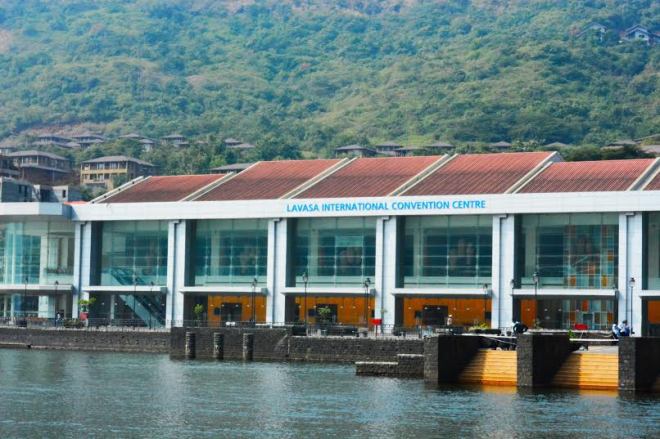
We did not stay overnight. We should have. The lakefront apartments on the prime stretch are the kind of view you book for a quiet weekend, not a day visit.
Water rides open in the afternoon at the far end of the lake. Rowing and motorboating run around 1000 INR. After dusk, the promenade lights up and the whole place shifts register.
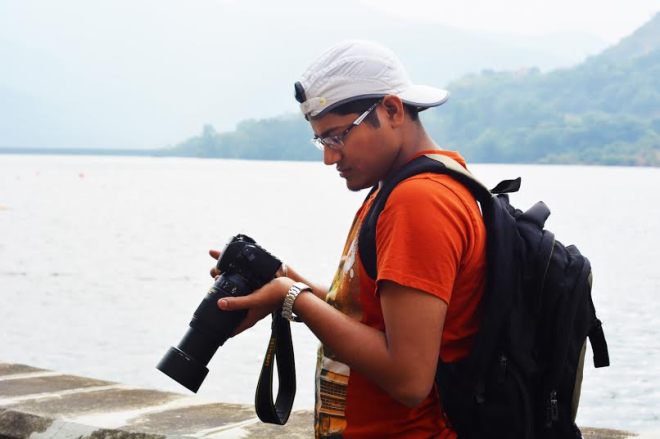
One thing: bring a real camera. Mine was a Nikon D5200 paired with a 50mm prime, and that lens did 90% of the work in this post. Abhishek shot a Nikon D3100 with a 55-200mm. Both handled the light. Lake reflections and bridge geometry deserve more than a phone.
Field Notes
- Day trip vs overnight. Day trips are cheap. Overnights are not. Pricing climbs hard once you book a room, so plan for the latter if you are committing.
- Eat at Oriental Octopus. Their seven-course Chinese set is 400 INR and the best value on the strip. Indian, Lebanese, Mughlai, Italian, and American options are also available.
- Audience matters. Lavasa is engineered for relaxation, not nightlife. If you are 20-something rolling in with friends, you will be bored by 6pm. Bring family.
- Drive with GPS on. Even local drivers get confused near the final ascent. Ours did. Google Maps fixed it.
- Detailed info: www.lavasa.com or the International Centre on the ground.
One Recommendation
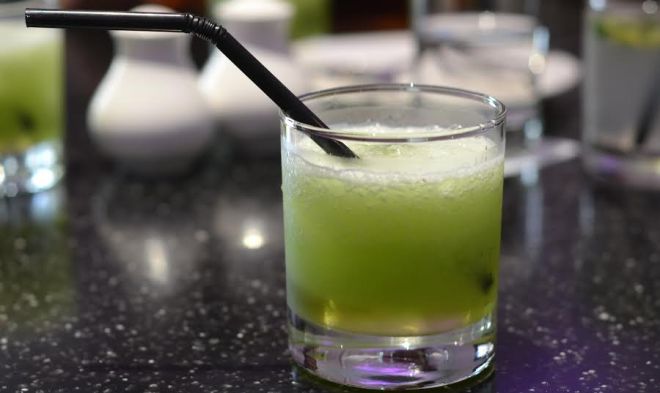
Kiwi juice at Oriental Octopus. Cold, sharp, slightly tart. Order it twice.
Next post: a trek.
Until then,
Sayantan
Revisited (2020)
I went back twice after this trip. Both times worse. Chains had shuttered, maintenance had slipped, and the entry fee stayed steep. The crowds had thinned to nothing. Lavasa looks closer to a ghost town now than to the city in these photos, and the politics never resolved.
If Maharashtra is on your list and this is your first visit, there are better places to spend a weekend. Lavasa is a story now, more than a destination.