The Trigger
December 2019, typed from Bengaluru airport. The decade closes here. It started in this same airport, my first-ever flight, December 2009. The tradition feels worth a closing chapter.
2019 was three trips that diverged from the usual Goa-and-Maharashtra rotation. The thread between them, if you go looking, is the element of Earth. Hampi is the first one.
Where We Went
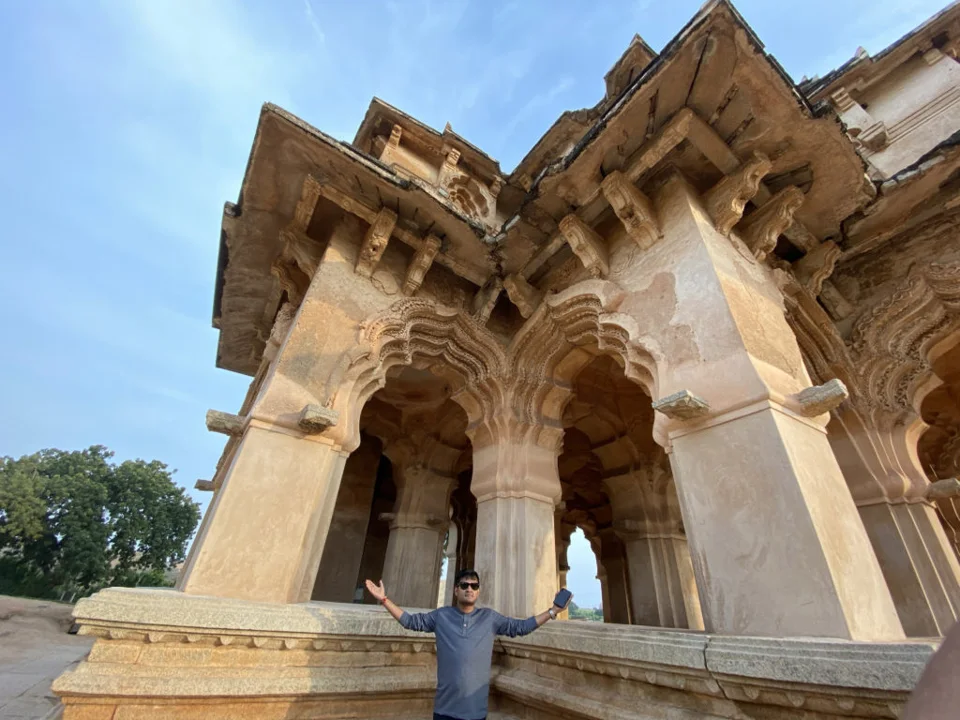
Hampi. UNESCO World Heritage Site, North Karnataka. The capital of the Vijayanagara empire from the 14th to 16th century. Sacked and ruined in 1565. From Bengaluru it is a 7-hour overnight bus ride. The Earth connection: the entire civilisation was carved out of granite. Buildings, idols, market complexes, all out of the boulders that already lay there.
Where We Stayed
Rocky’s Guest House. Basic rooms, prime location, helpful hosts, a steady stream of foreign tourists. Service and food both above the price point. Available on Booking.com at 3800 INR per night.
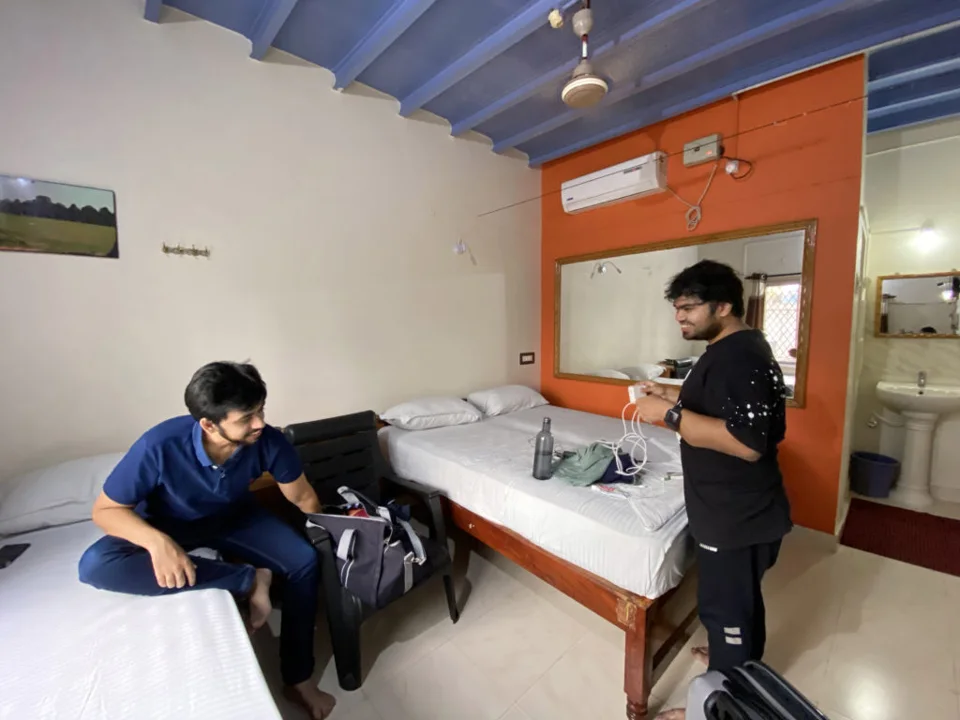
Cheaper options exist if you walk in. On-spot rates can drop to 2500 INR. Hippie Island bare-bones huts are 500 INR per night.
Where We Ate
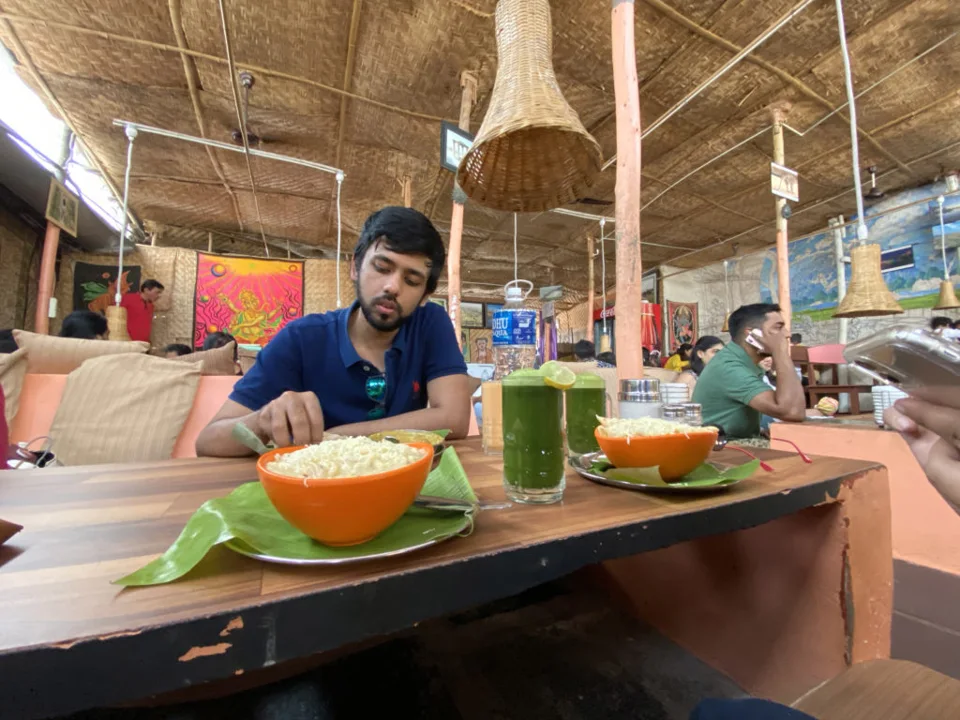
Mango Tree
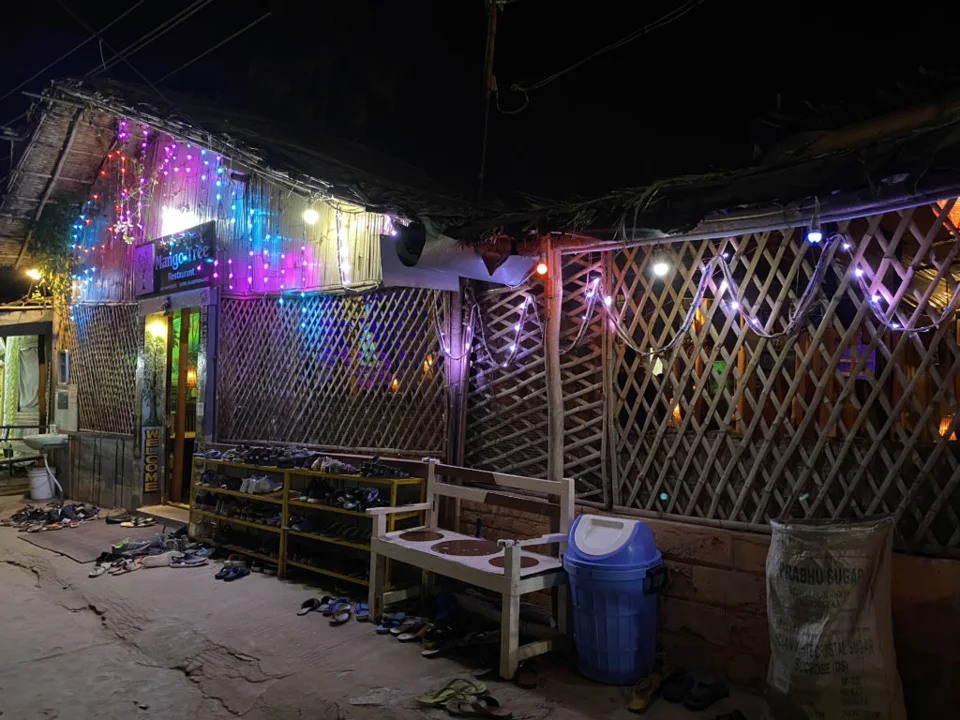
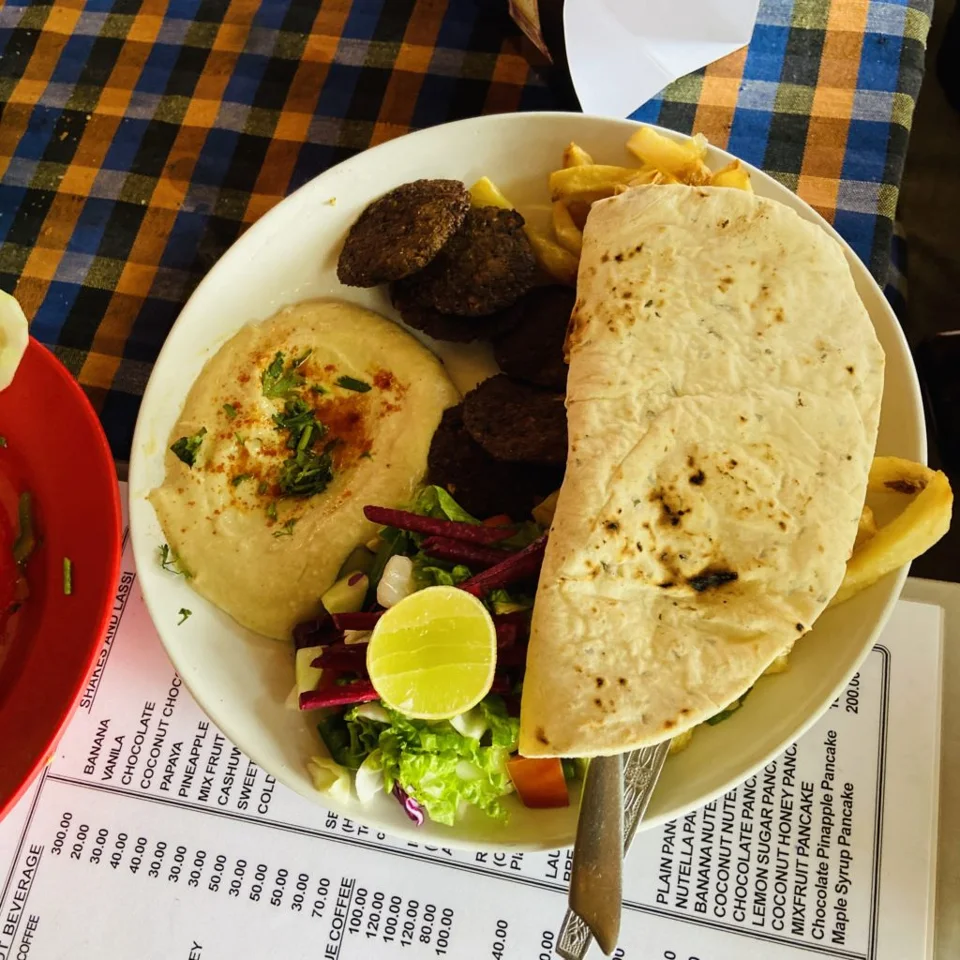
Large space. Strong vibes. Best location of the four. Food matches the room.
Gopi Guesthouse and Roof
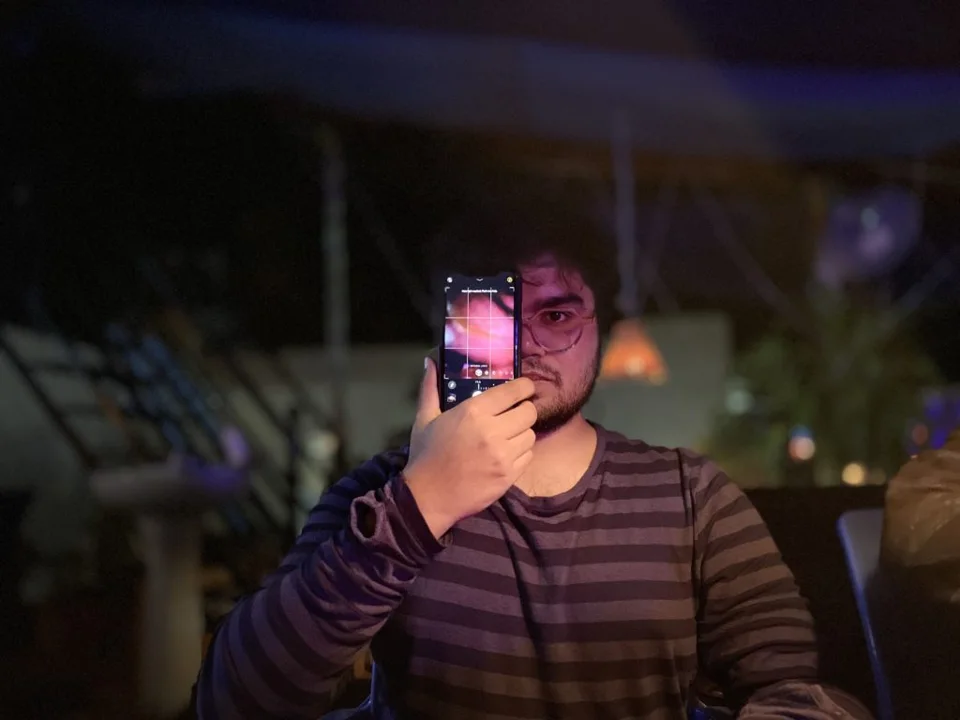
Small rooftop. The location is the headline; the food is workable.
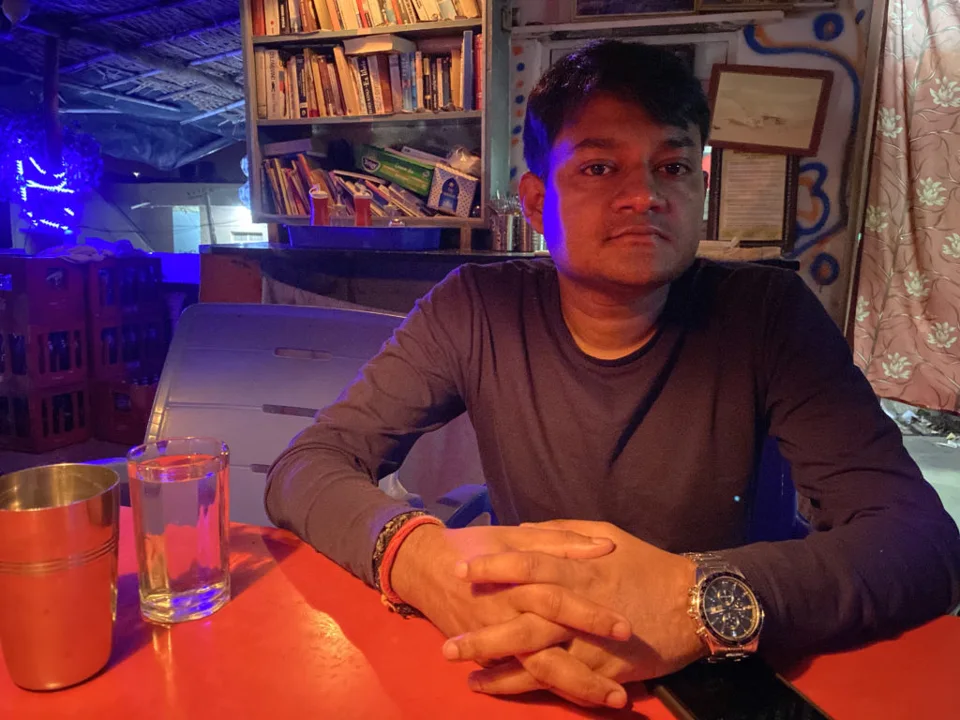
Top Secret
Medium rooftop. Good vibes. Genuinely hidden. Food is up there with Mango Tree.
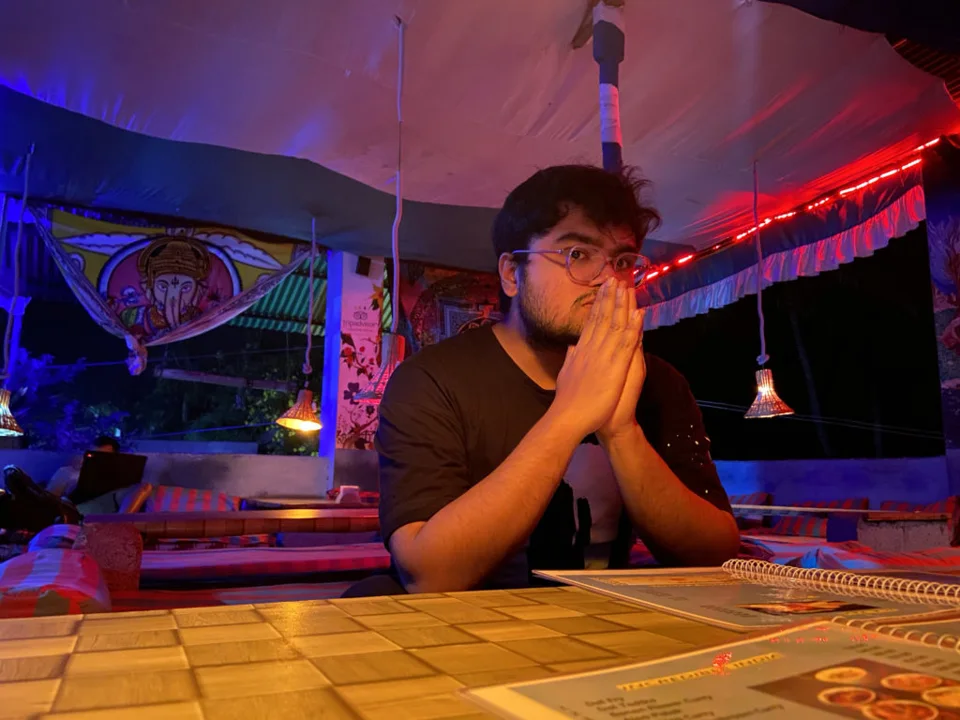
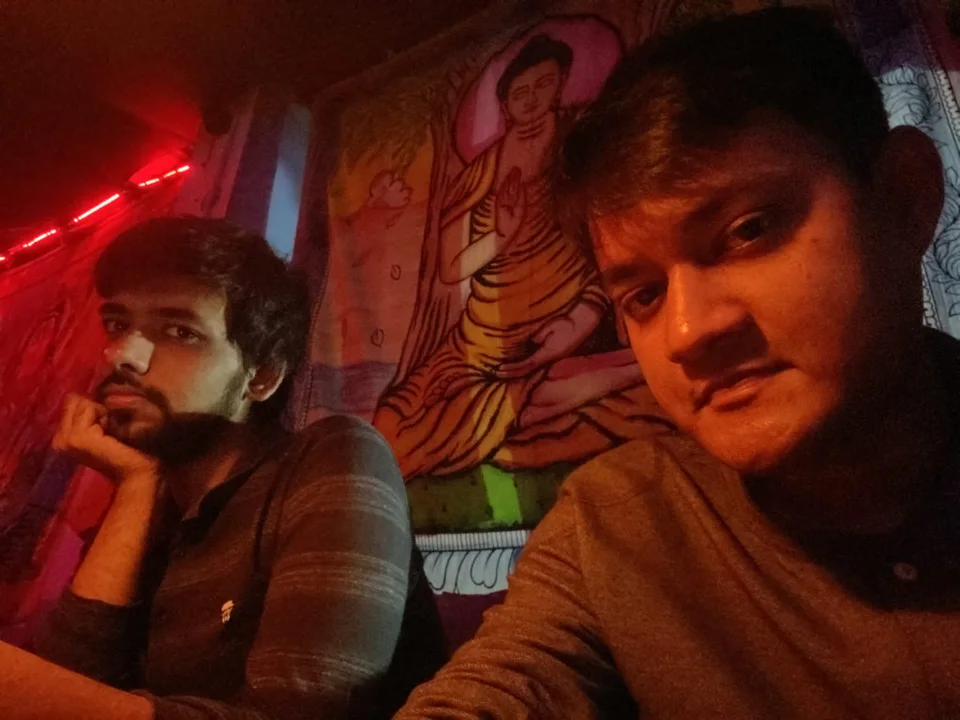
Laughing Buddha (Hippie Island)
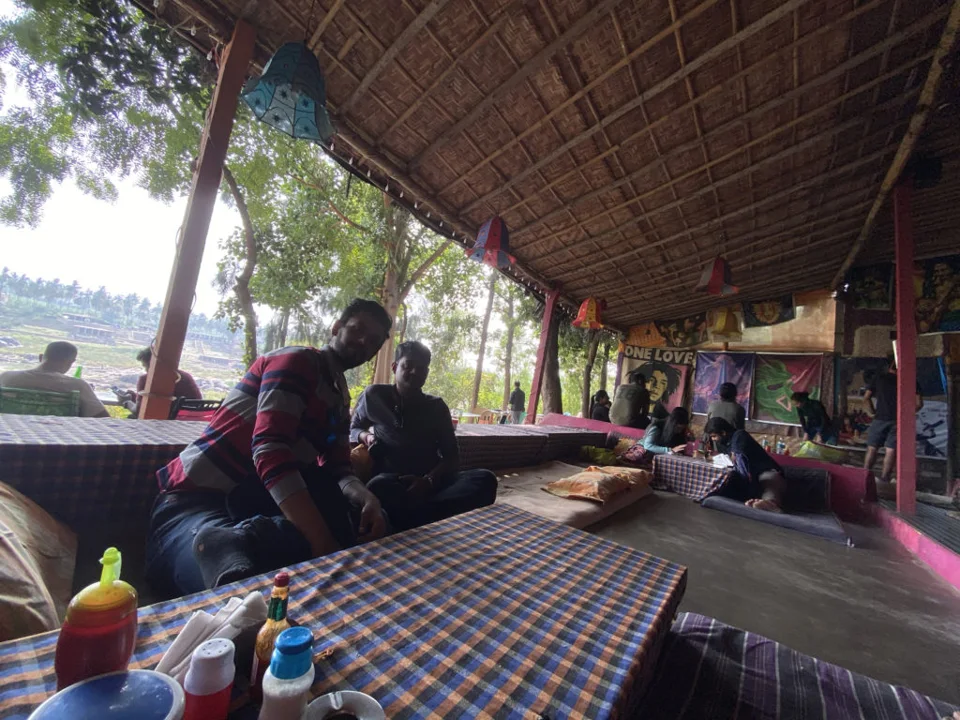
Best place to chill. Temple complex visible across the river, music after dark, more adventurous menu than the temple-side spots.
How We Got Around
Time and budget were both tight. The east and south sides of Hampi we covered on foot. Tiring but doable if you keep moving.
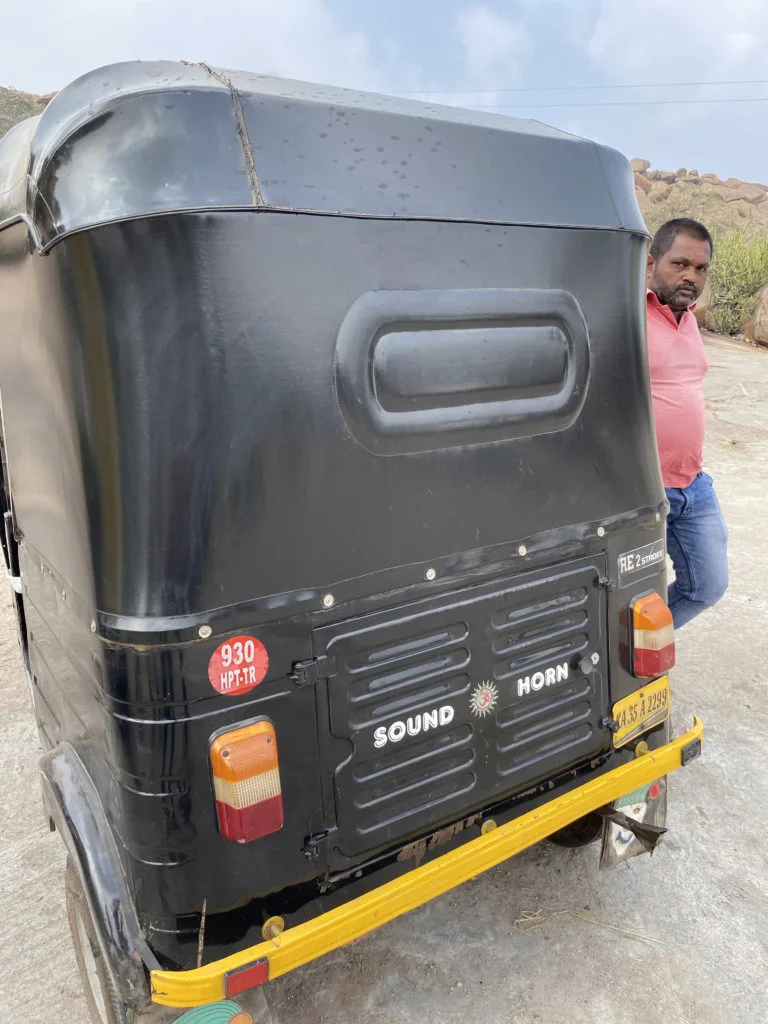
For the Hippie Island side, we hired an auto package: 1200 INR for the full circuit, plus 800 INR for the coracle ride on Sanapur lake.
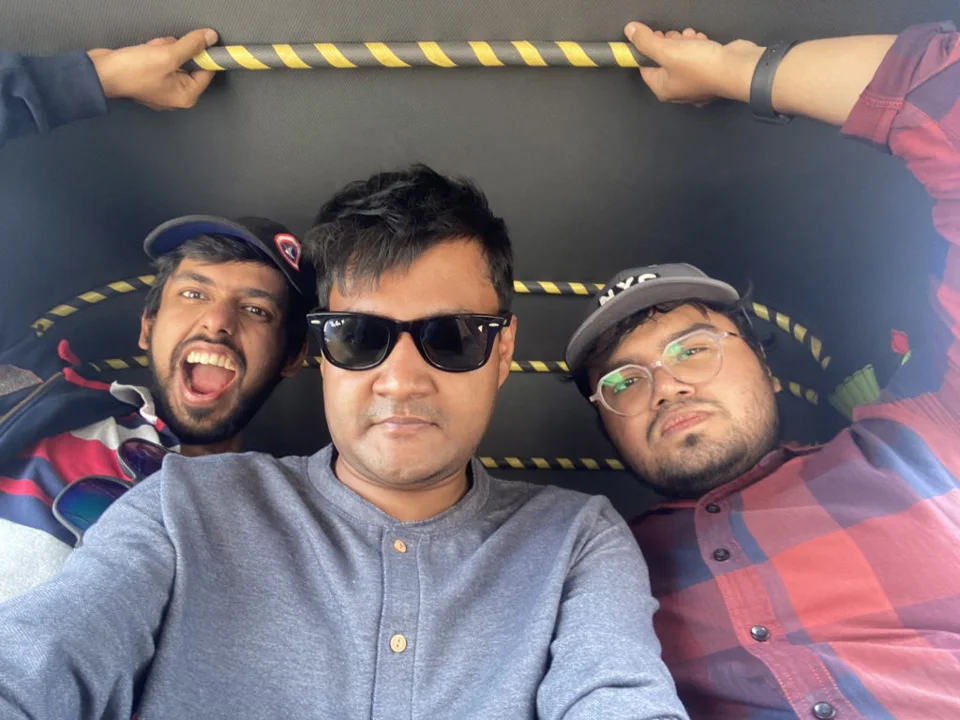
The auto route loops 20 km to cross from one bank to the other, since the bridge is a long way upstream.
What We Saw
Four facets to this place, broken down by zone.
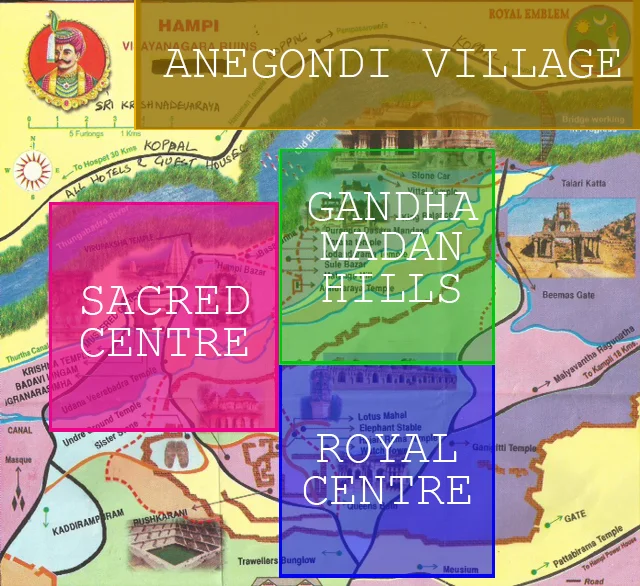
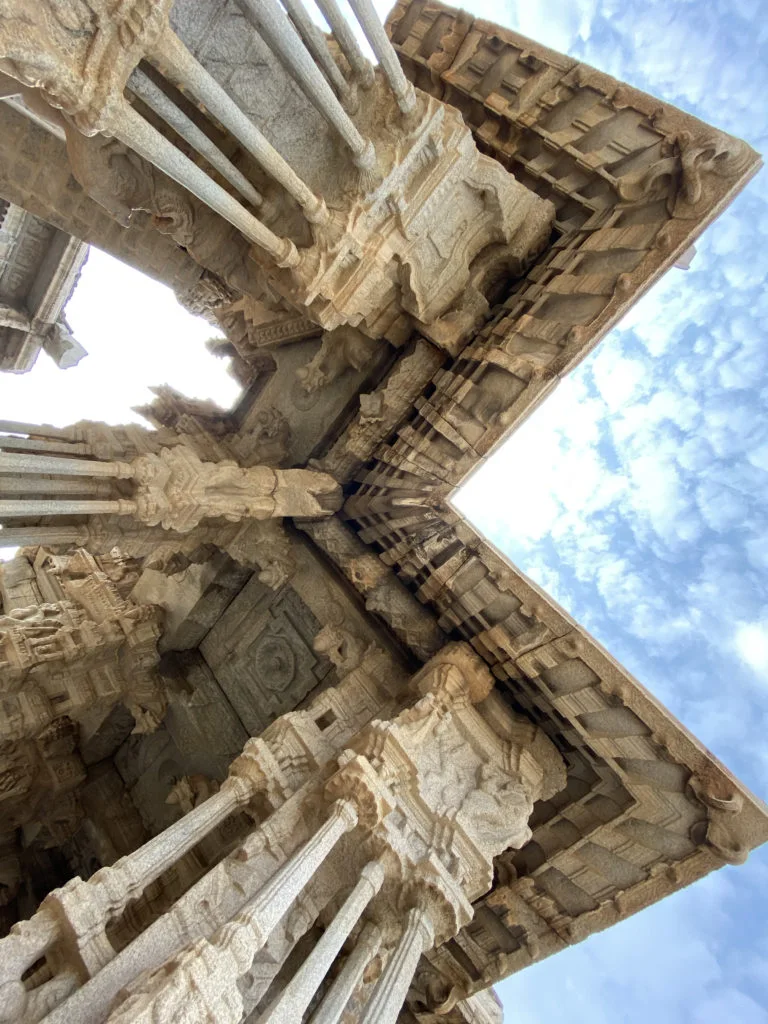
Hampi reads as a Hindu temple-town for the most part. Around 1600 surviving monuments, most in Dravidian style. A handful of Jain monuments, fewer still that are Muslim.
SACRED CENTRE
Virupaksha temple
A small Shiva shrine to begin with. Expanded under the late Chalukyas and Hoysalas. The current scale was reached during the Vijayanagara period under Deva Raya II.
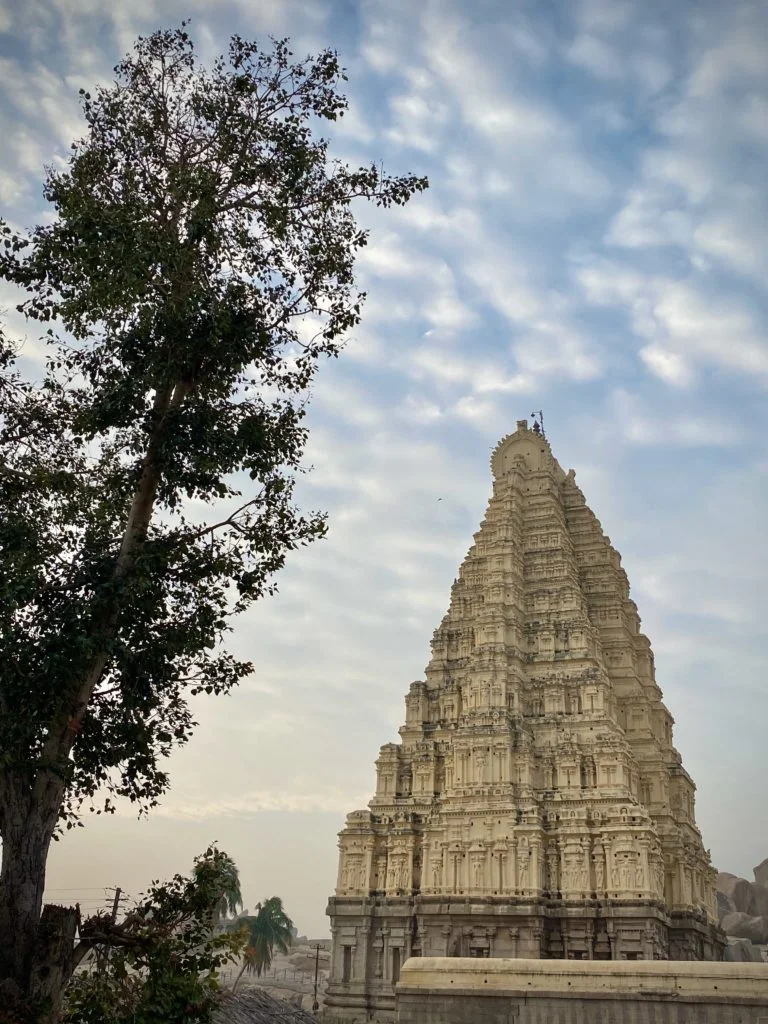
The 1565 sack damaged structures across the temple. Virupaksha endured, and remains an active religious site.
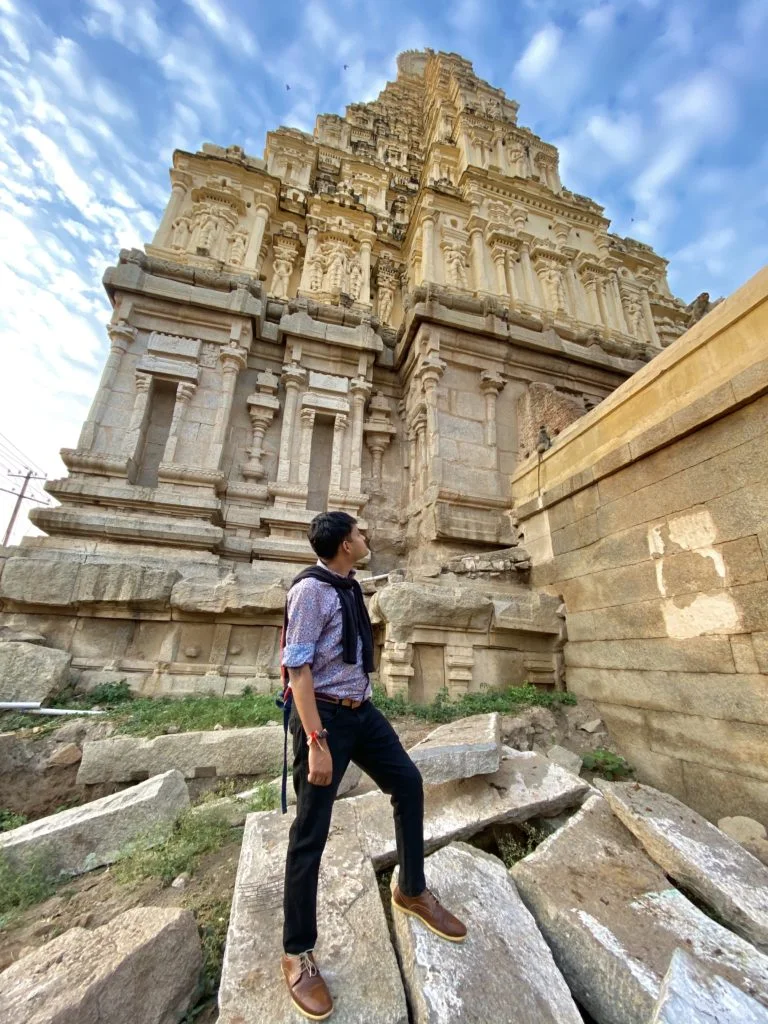
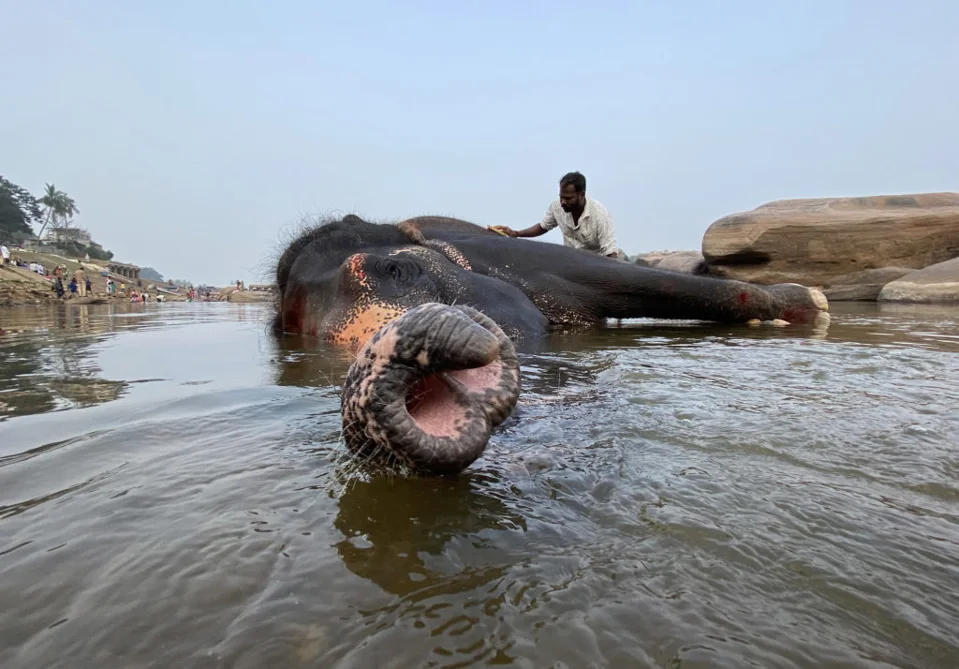
Krishnadevaraya was its biggest patron. Lakshmi, the temple elephant, walks this back route every morning to her bath.
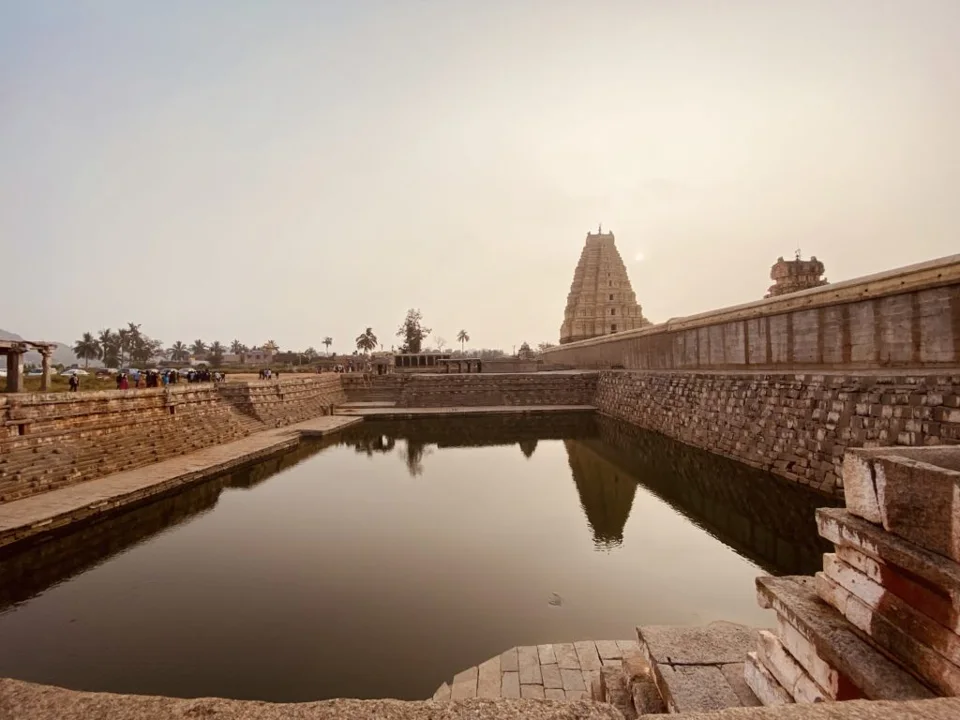
Watch this if you can be on site between 7:30 and 8am. The window is short and the scene reliably absurd.
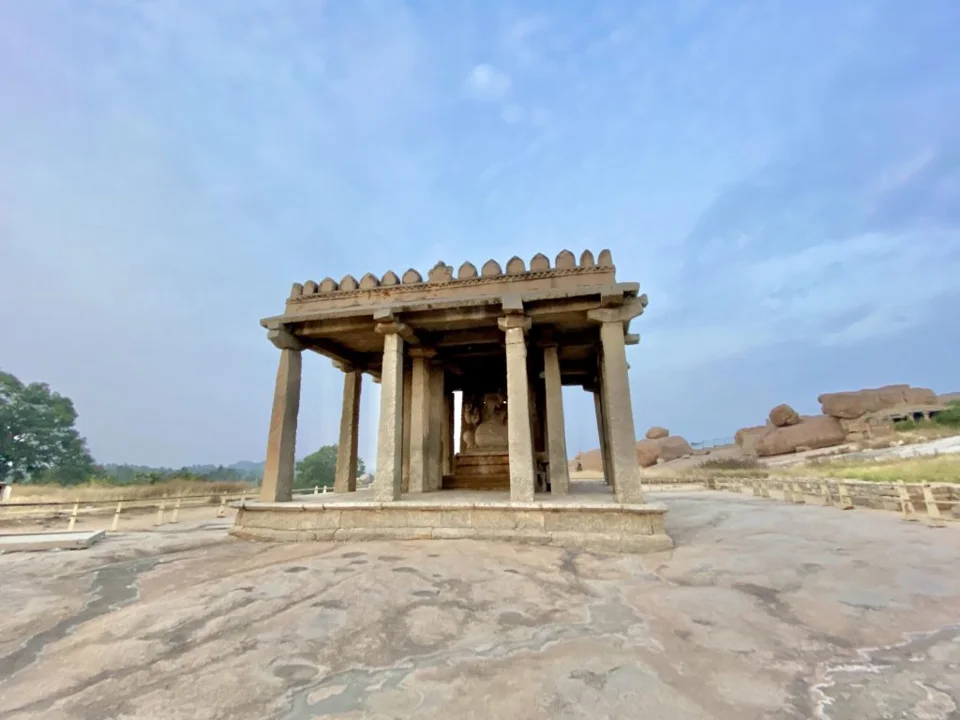
Kadalekalu Ganesha
5 feet of Ganesha, carved from a single boulder. The belly is shaped like a Bengal gram (kadalekalu in Kannada), which is how it gets its name.
Hemakuta monuments
Jain temples dedicated to Shiva. Pyramid roofs.
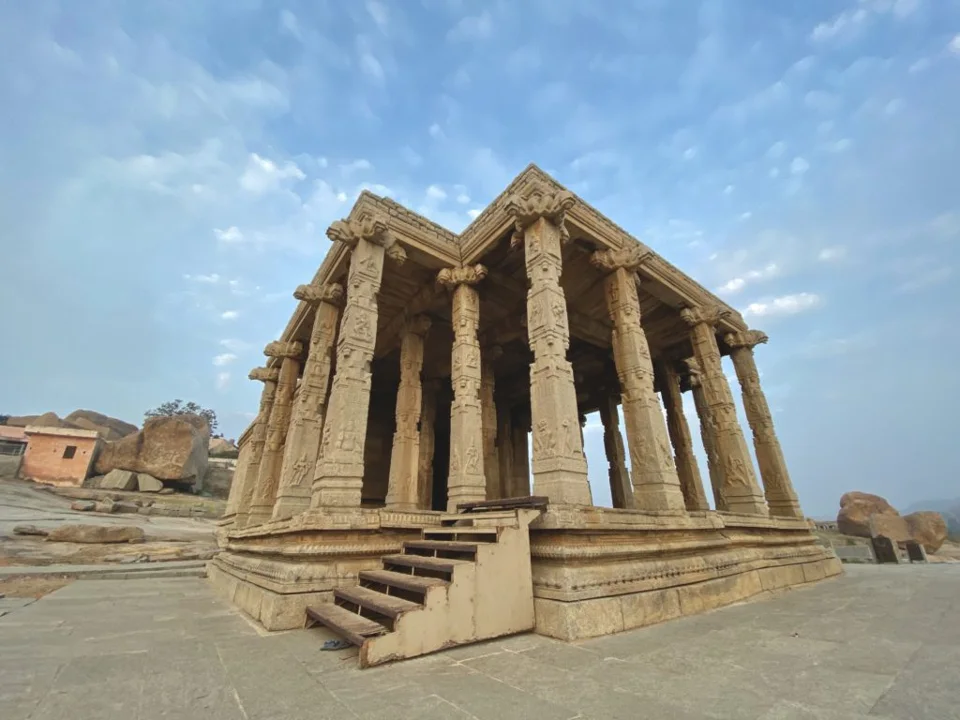
Krishna Temple and Complex
Built in 1513 by Krishnadevaraya to mark the conquest of Udayagiri (in present-day Odisha).
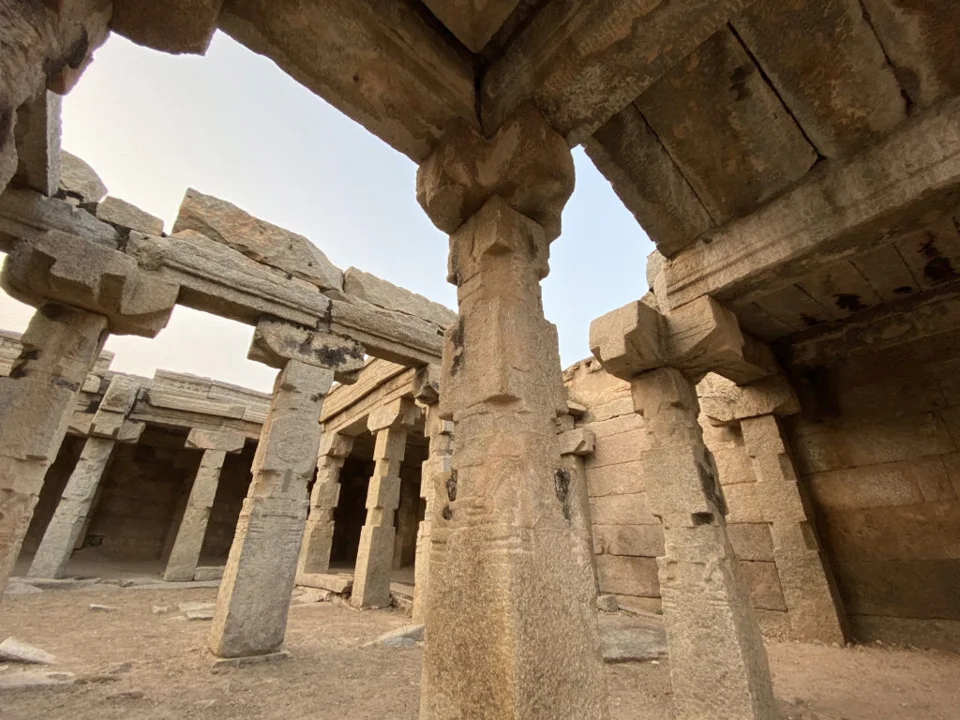
The central chamber houses an infant Krishna. The complex out front was the main market in the city’s working years.
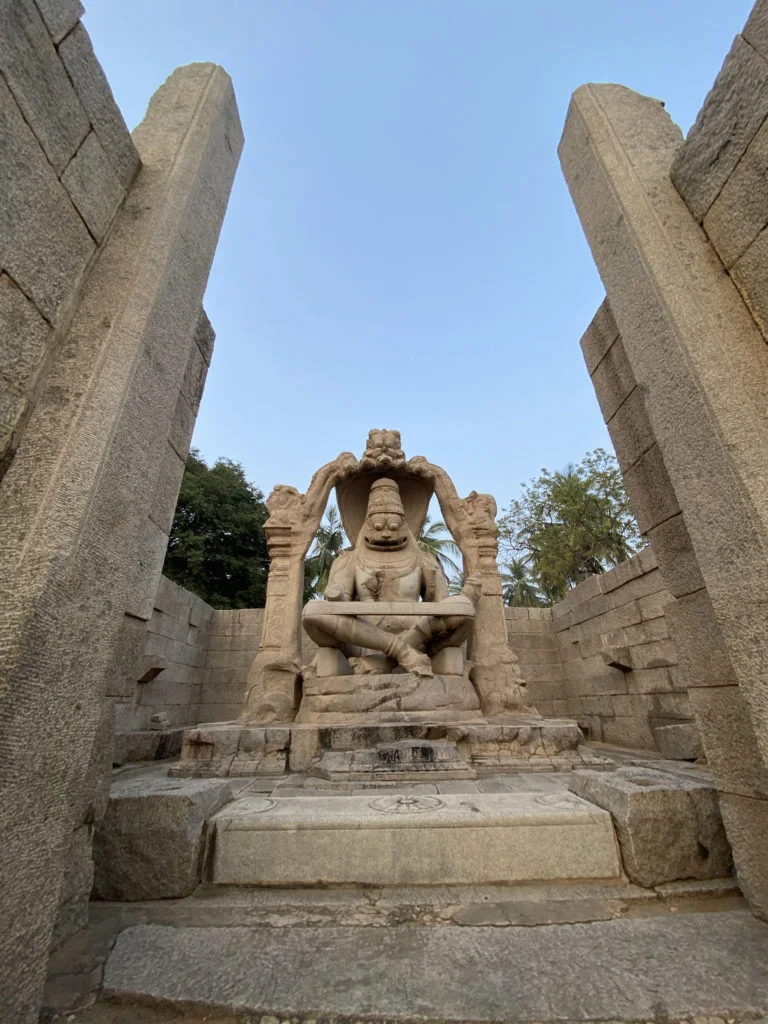
Narasimha Idol
Built in 1528. The original Lakshmi statue that accompanied Narasimha is gone.
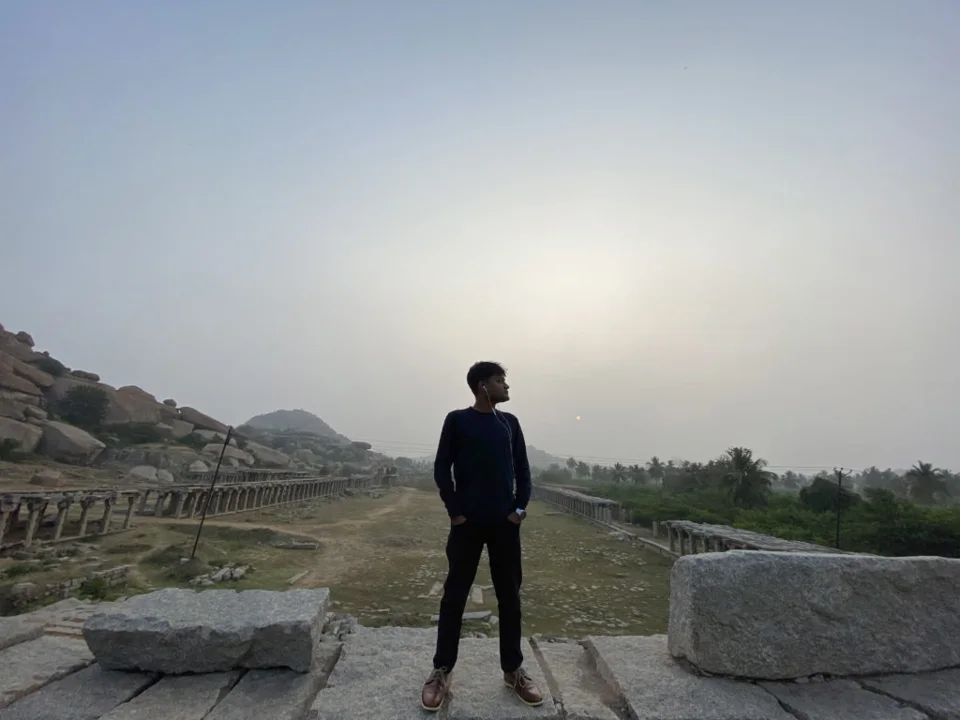
Hampi Bazaar
Virupaksha bazaar ruins run a kilometre in front of the temple.
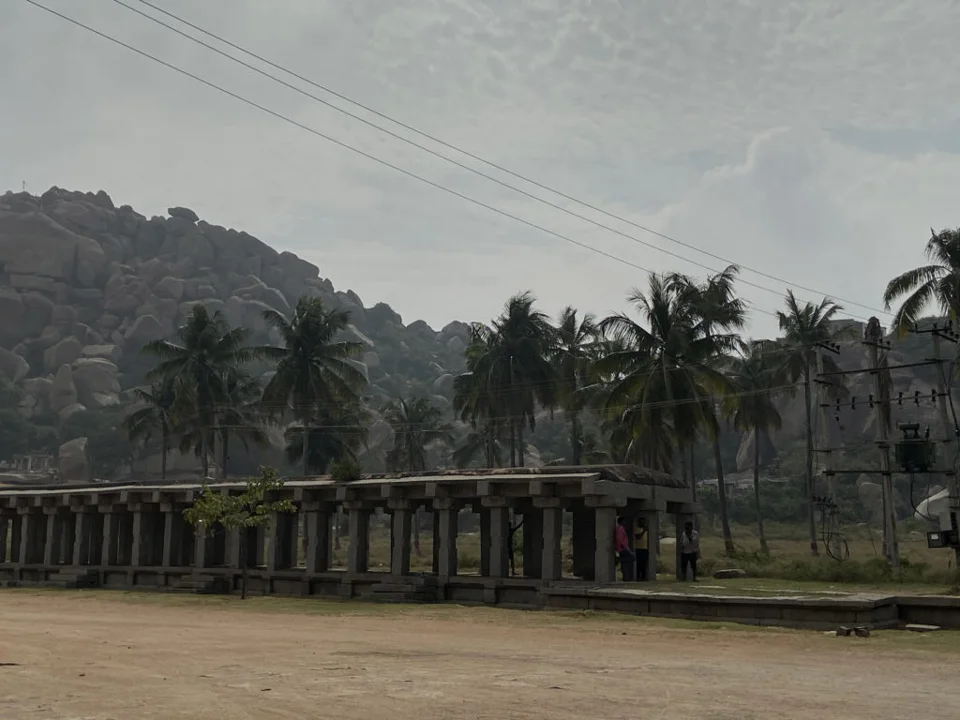
ROYAL CENTRE
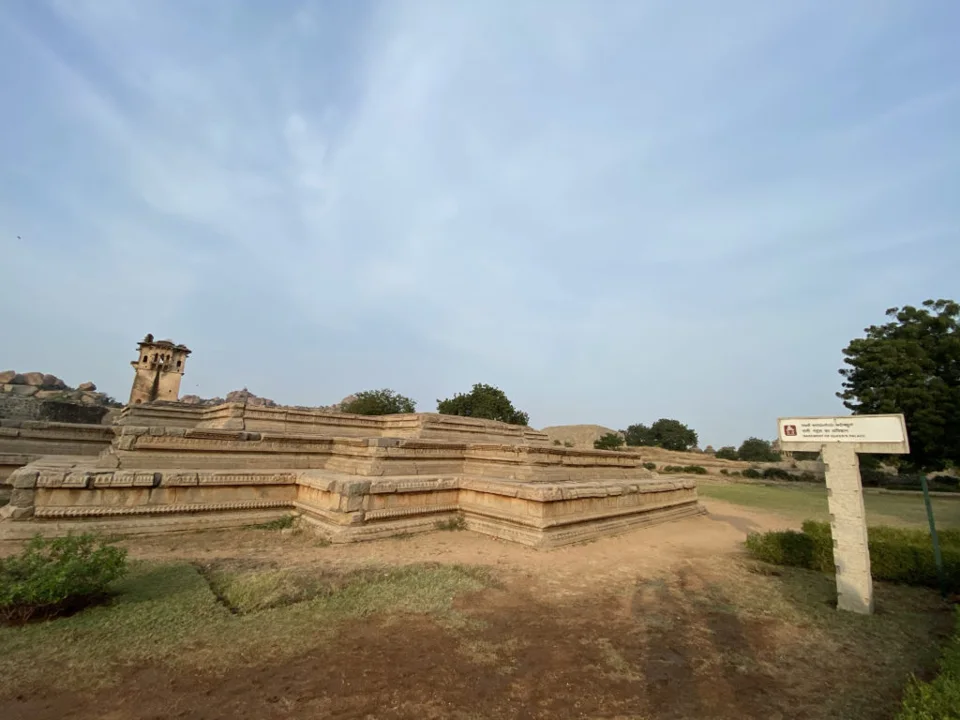
Queen’s palace
Zenana enclosure. 46 by 29 metres. The private compound for royal women. Only the basement survives.
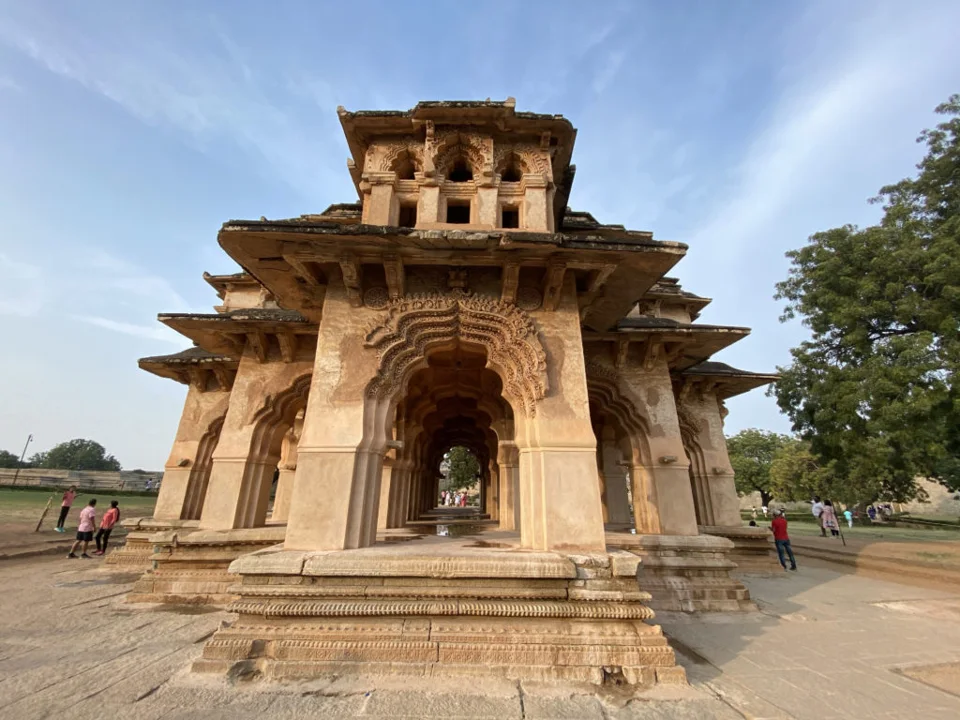
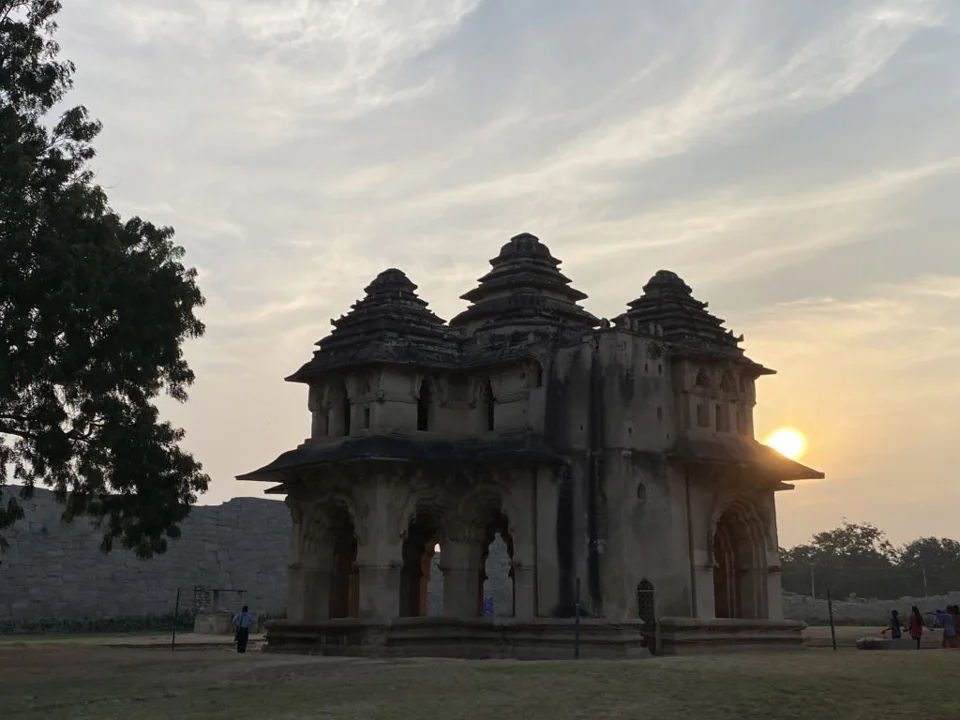
Lotus Mahal
The headline piece of the Royal Centre. Used as a council room for the chief commanders.
Ranga Temple sits to the east of Lotus Mahal. Closed to visitors during our visit due to renovation.
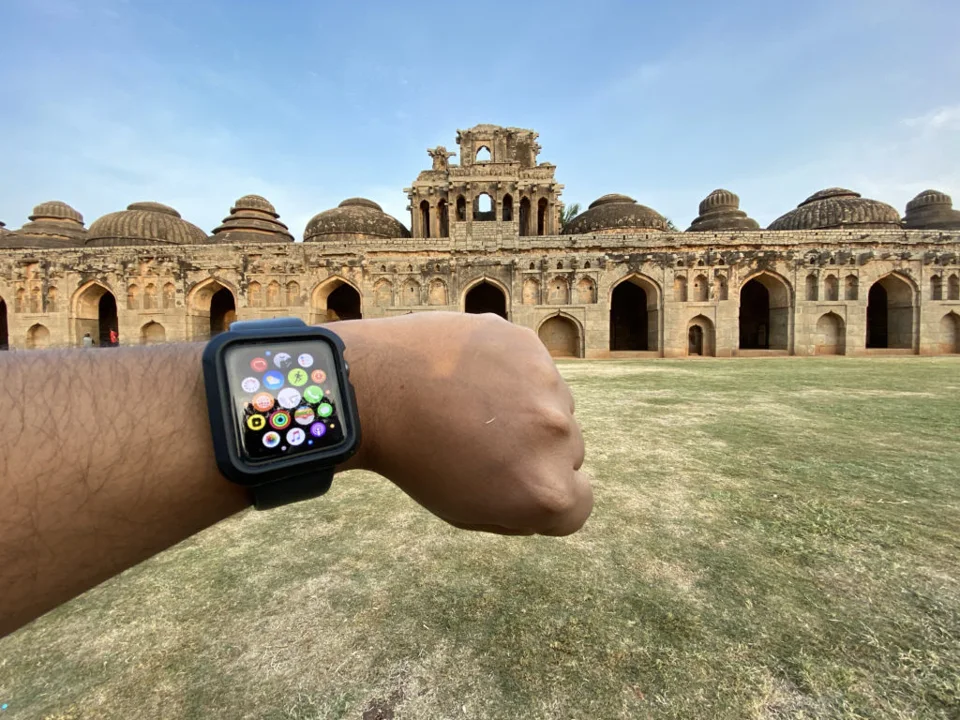
Elephant stable
11 chambers of granite for elephants. Metal hooks for tying are still on the inner walls. Small openings at the rear were the mahouts’ service entries.
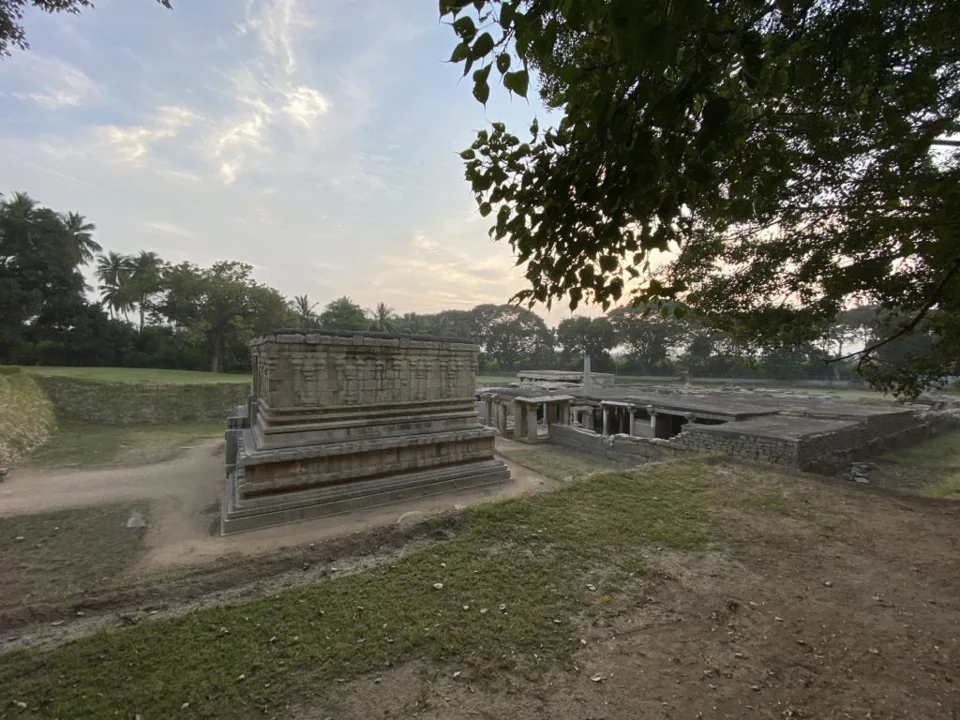
Underground Shiva temple
Dedicated to Prasanna Virupaksha. Unearthed in the 1980s. Nobody has a working theory for why it was built underground.
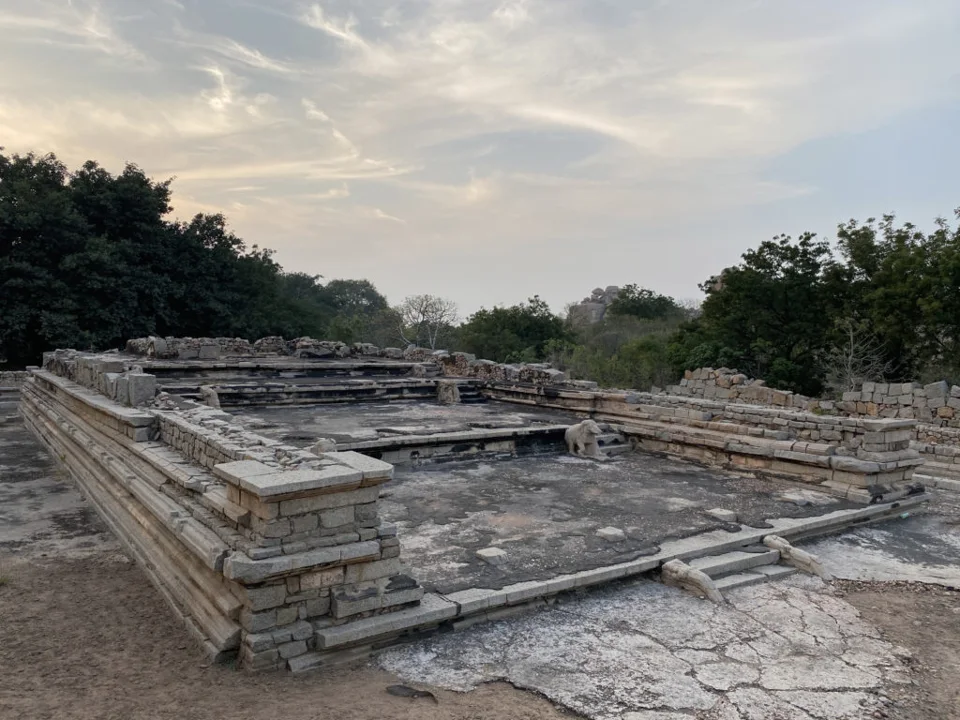
Nobleman’s quarters
Foundation of the residential complex for the aristocracy. Water channels and gold artefacts at this site corroborate the use.
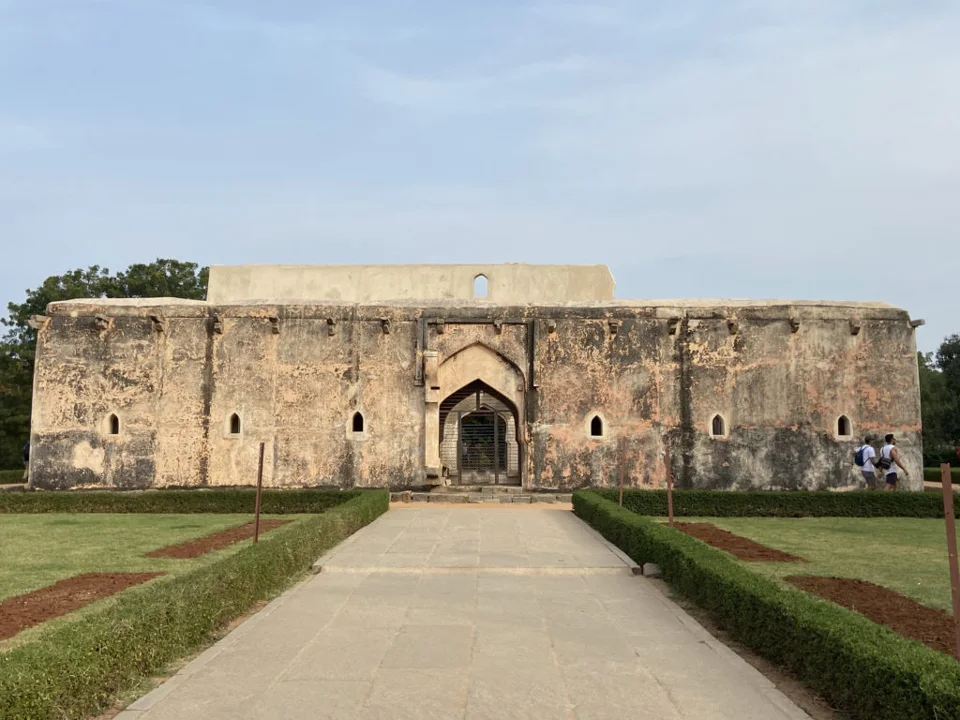
Muhammadan watch tower
Built 1439 by Ahmad Khan, a military officer under Devaraya II. One of the rare Islamic prayer sites at Hampi.
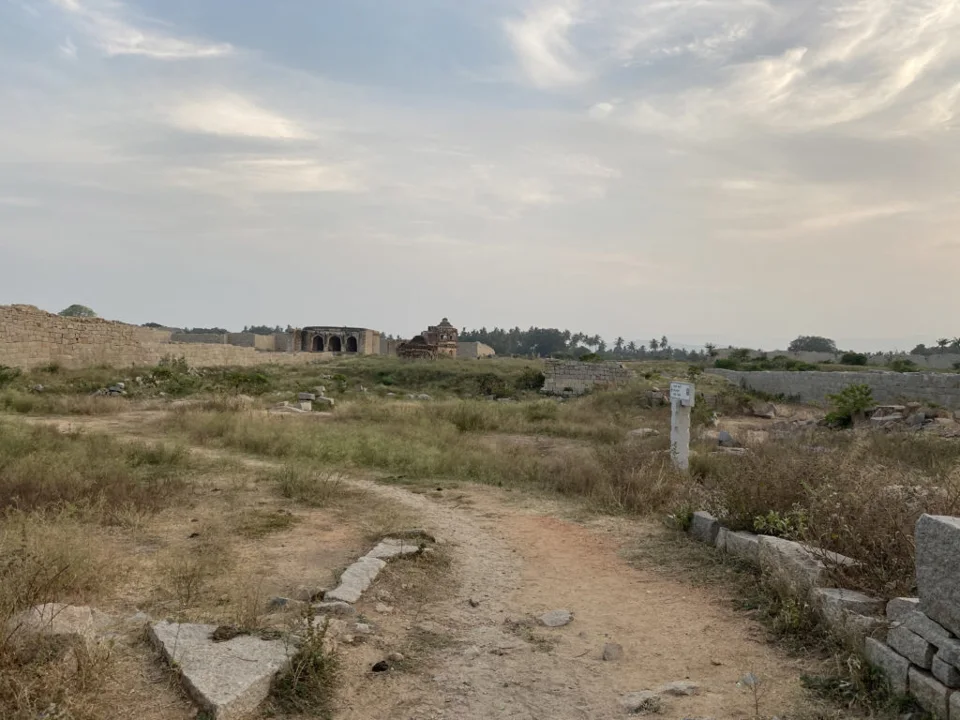
Hazara Rama temple
Devaraya I built this in 1446 in three sections: the open mahamandapa, the middle ardhamandapa, the rear gribhgriha, all enclosed by a 24-foot wall. Dedicated to the ideal governance of Lord Rama.
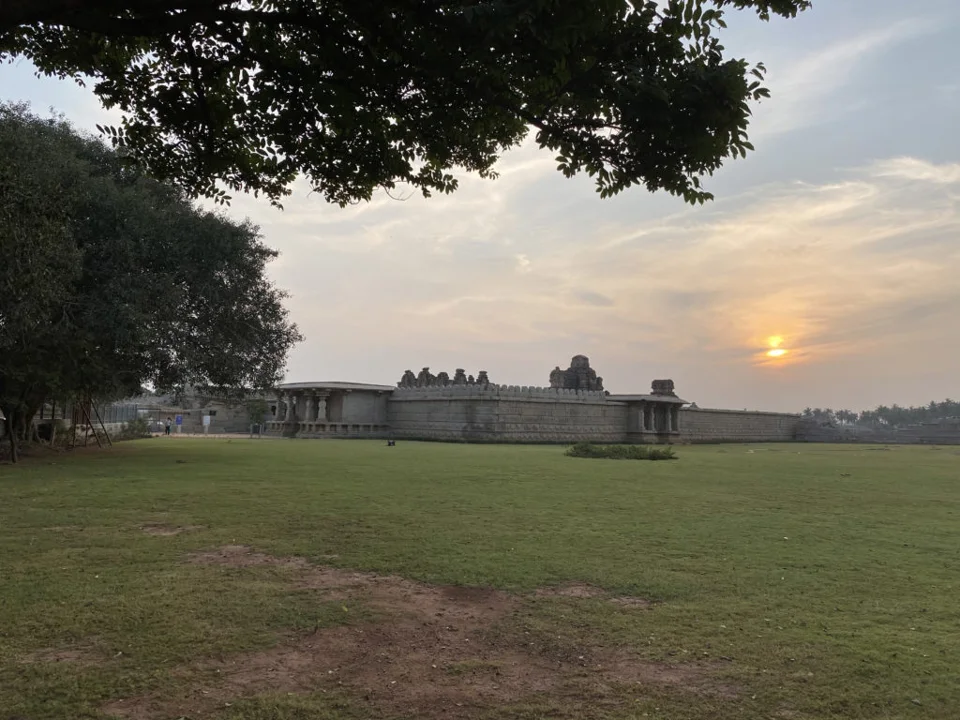
Goddess Pampa was Shiva’s consort here. The story of her blessing Devaraya I to build the temple is inscribed across the walls. The Ramayana runs across 108 panels and ends in the Lava-Kusha episode.
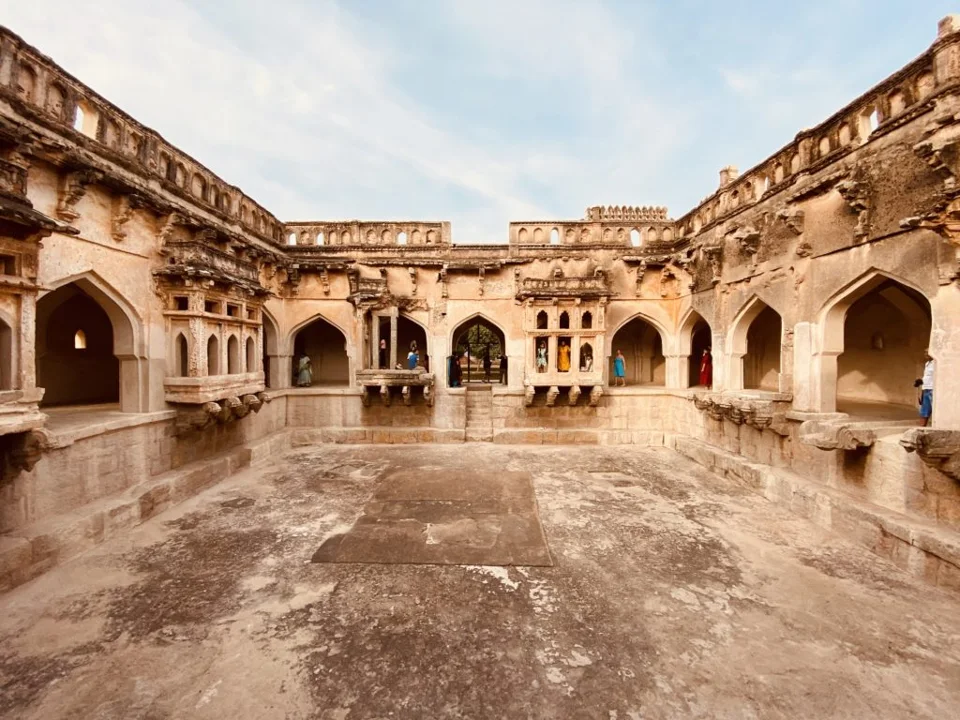
Queen’s bath
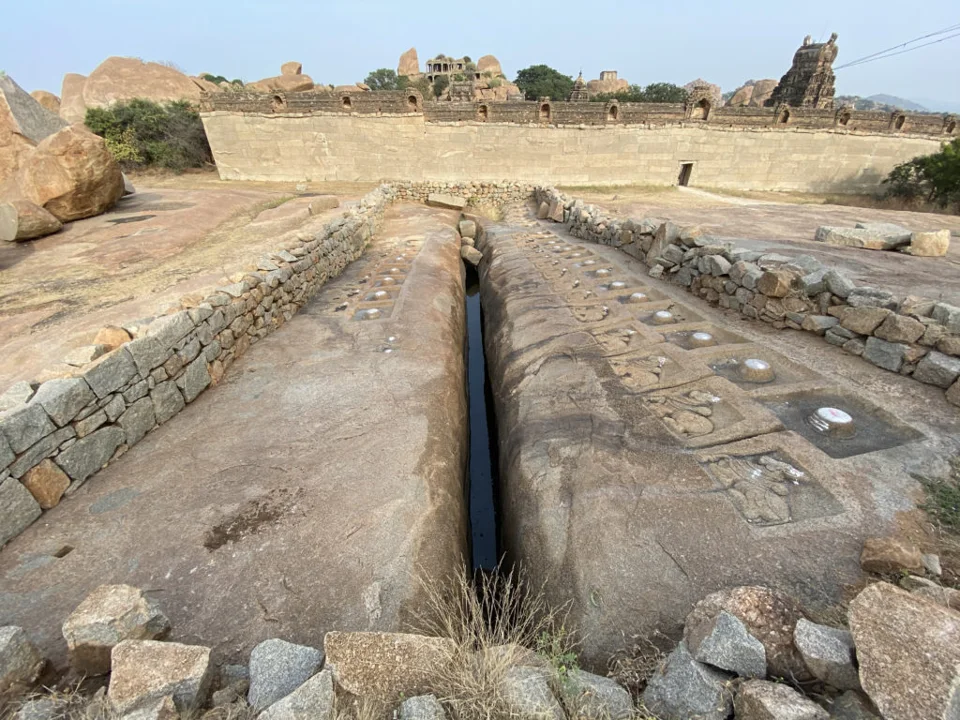
1.8-metre trenches surround the bath. Built by Achyutaraya. Believed to be the centre of court water-sports.
Other things in this zone we ran out of time for. Drop in if you have the day:
- Tenali Rama Pavilion
- Archaeological gallery
- Octagonal bath
- Bhima’s Gate
Malyavanta Raghunatha Temple
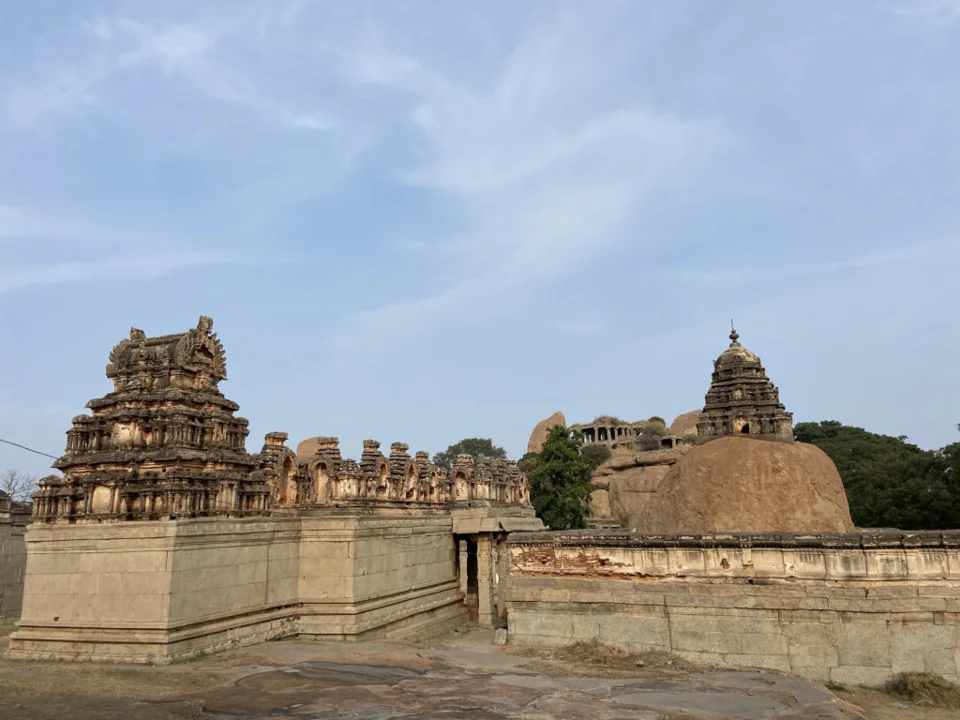
Local legend: Lord Rama, Lakshmana, and the Hanuman army sheltered here through a monsoon before crossing to Lanka.
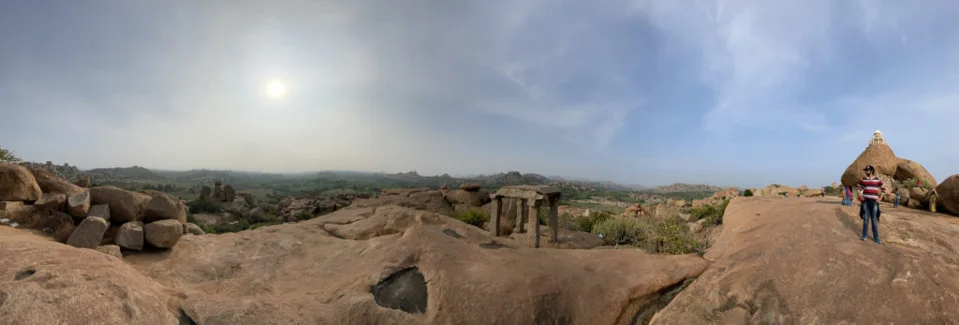
The climb continues to a Shiva cave temple atop a large boulder. View earns the steps.
GANDHAMADAN HILLS
Vijaya Vittala temple
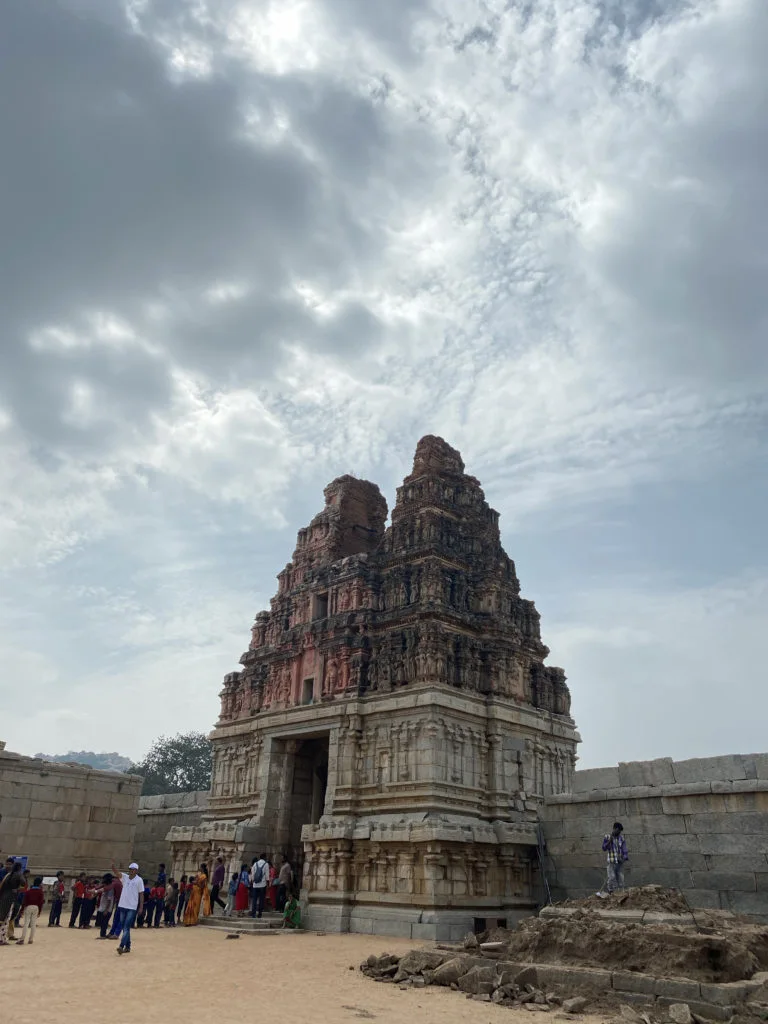
Built in 1513 by Rani Chinnadevi and Rani Tirumaladevi, both queens of Krishnadevaraya. The Portuguese traveller Domingo Paes wrote of the king himself:
Krishandevaraya is of medium height, and of fair complexion. He has a good figure, though rather fat than thin. On his face he has signs of small-pox. He is most feared and a perfect king. He honors foreigners and receives them kindly, asking about all their affairs, whatever their condition might be. He is a great ruler and a man of much justice, but subject to sudden fits of rages.
https://madrascourier.com/insight/a-portuguese-account-of-krishnadevaraya-his-kingdom/
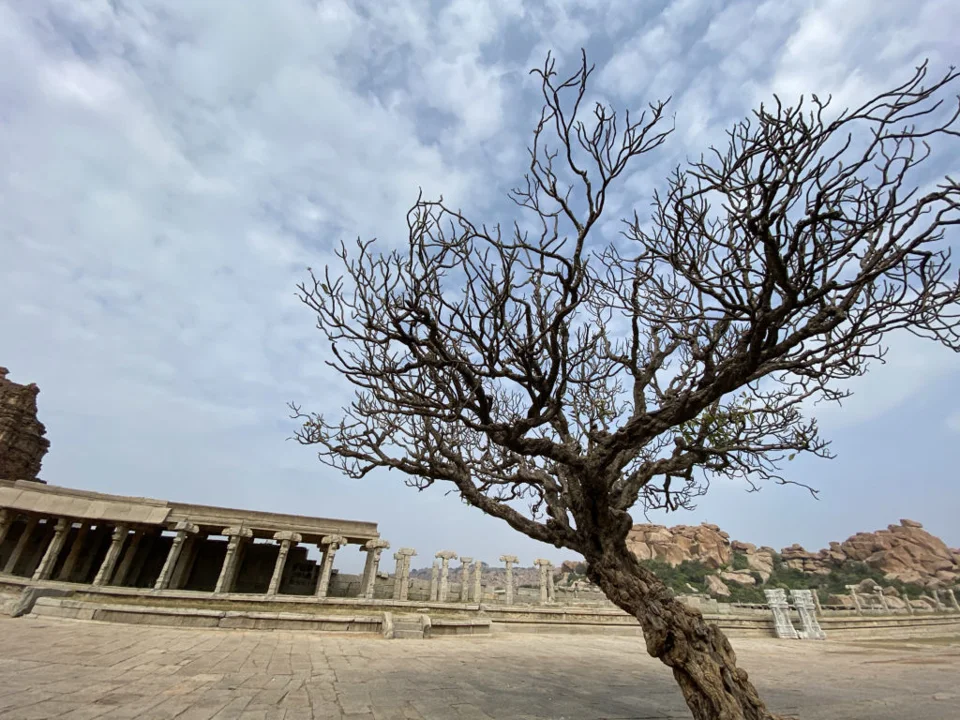
The Vittala bazaar in front stretches over a kilometre. The traders and merchants of the period worked it daily.
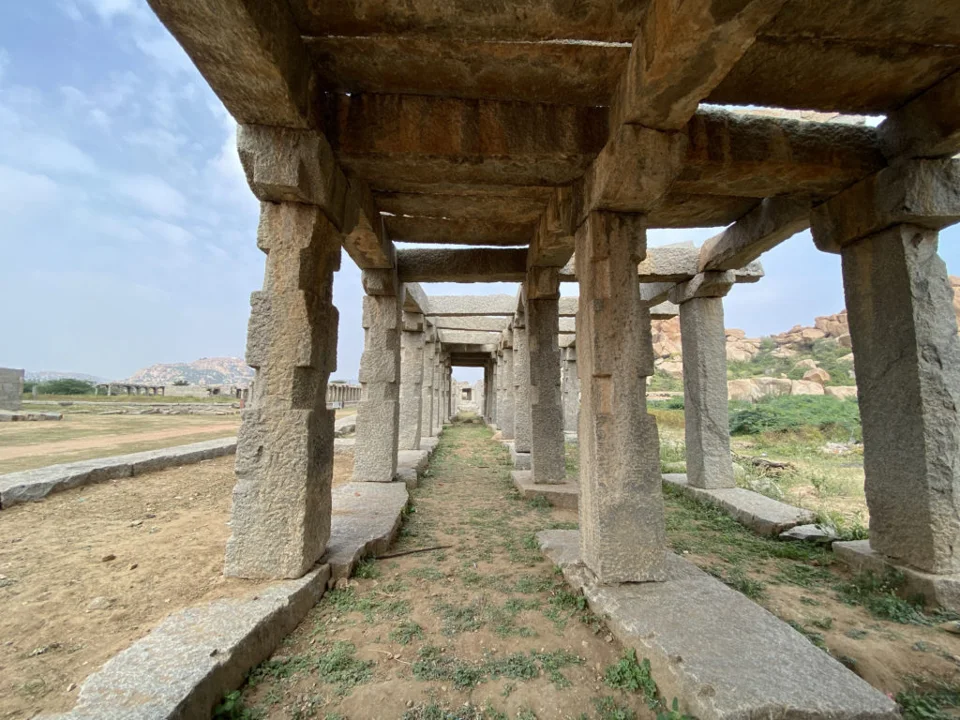
Shree Varaha swami Temple
Varaha, the mythical boar, third incarnation of Vishnu. The walls hold images and bas-reliefs of boars set into the stone.
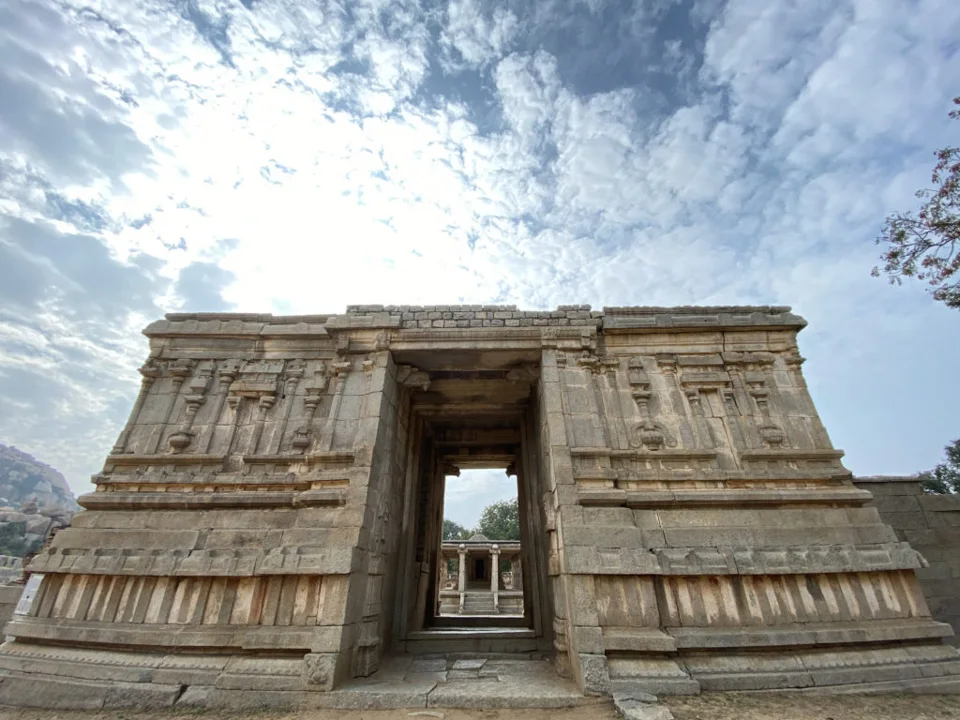
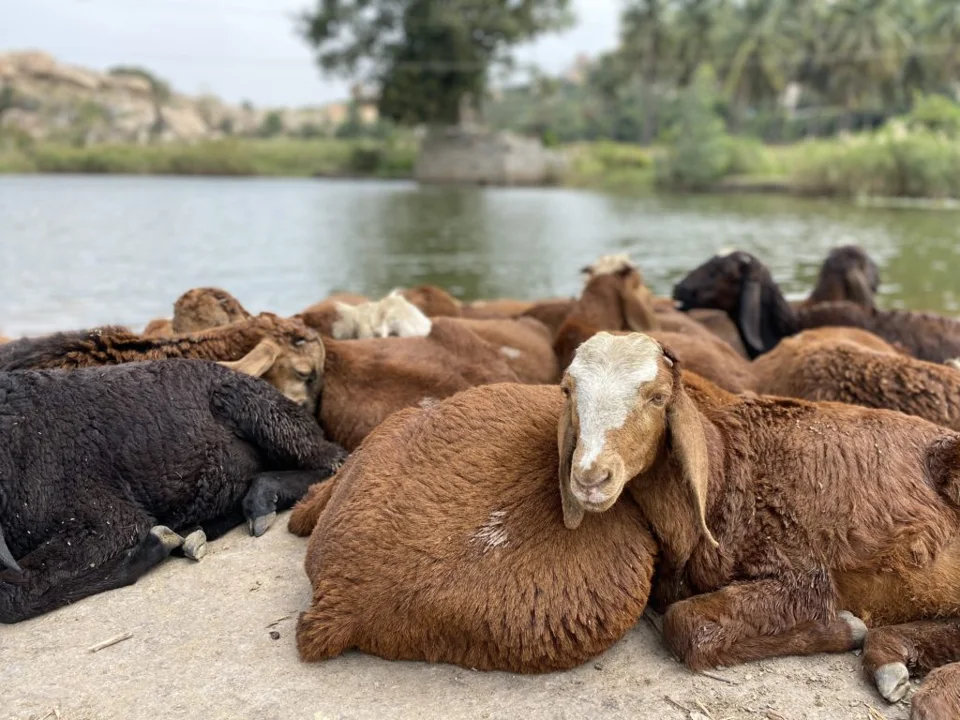
Sugreeva’s caves are next to the Varaha temple. Village animals graze around them.
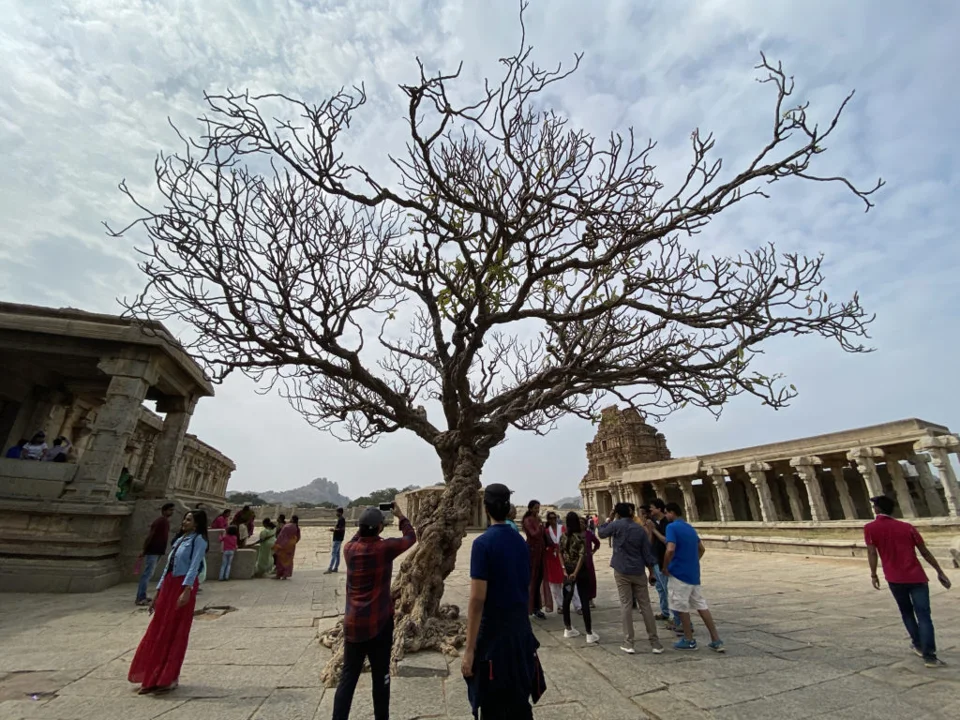
Sacred banyan tree
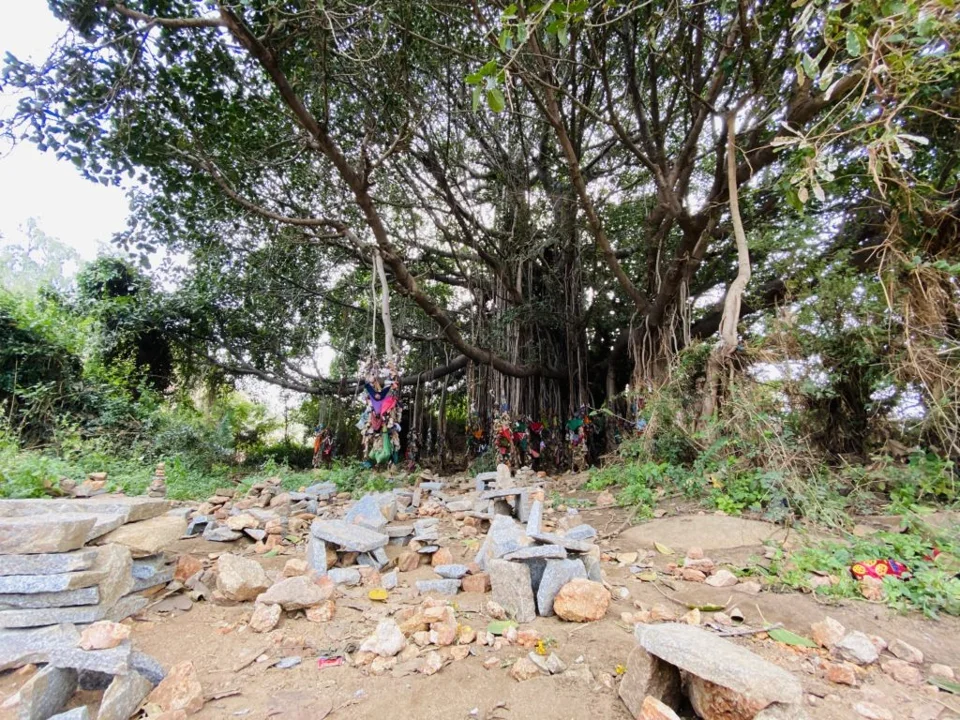
Vat Vriksha. Pilgrims tie charms onto the branches as they pass.
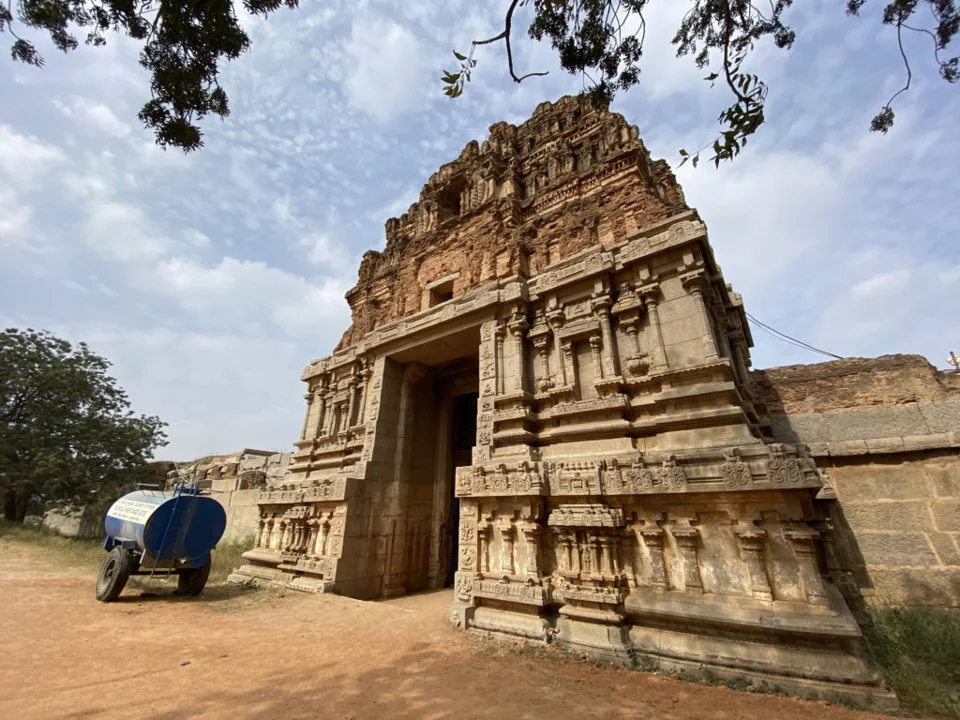
Ranganatha temple
Dedicated to Vishnu.
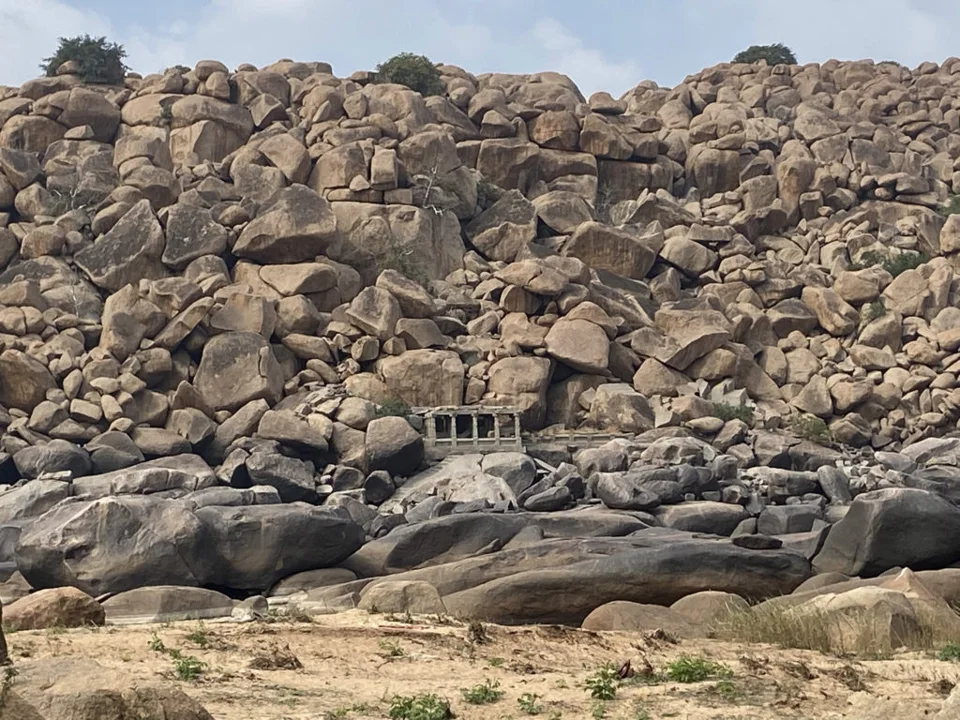
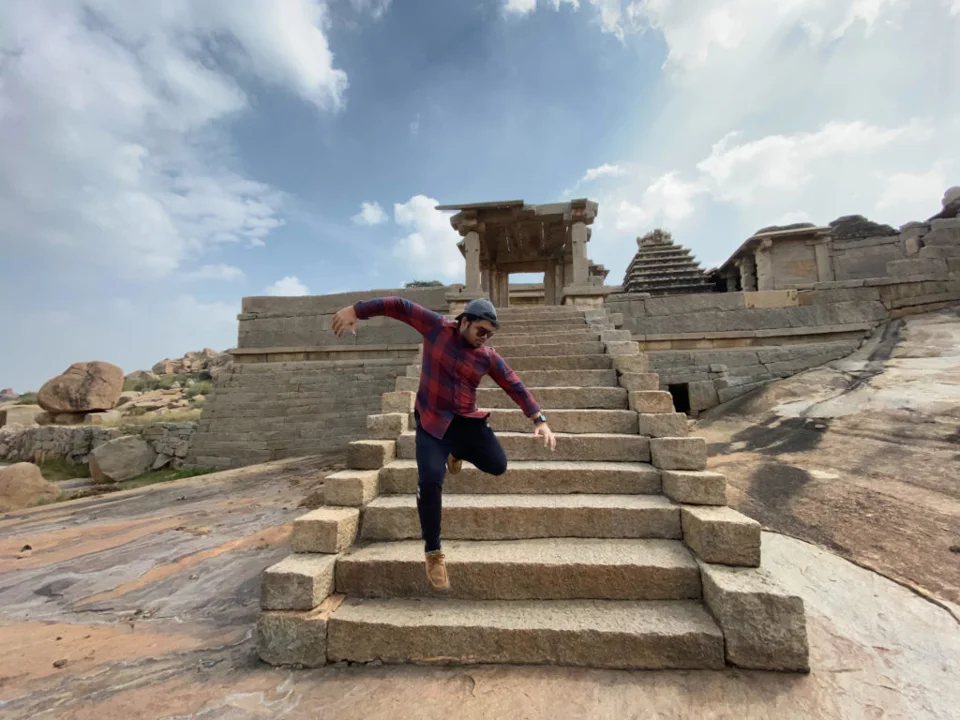
Closing this section with me jumping the steps of Narasimha temple.
Then the other side of Hampi, north of the Tungabhadra. Greener, less crowded, accessible by a quick coracle ride across the river.
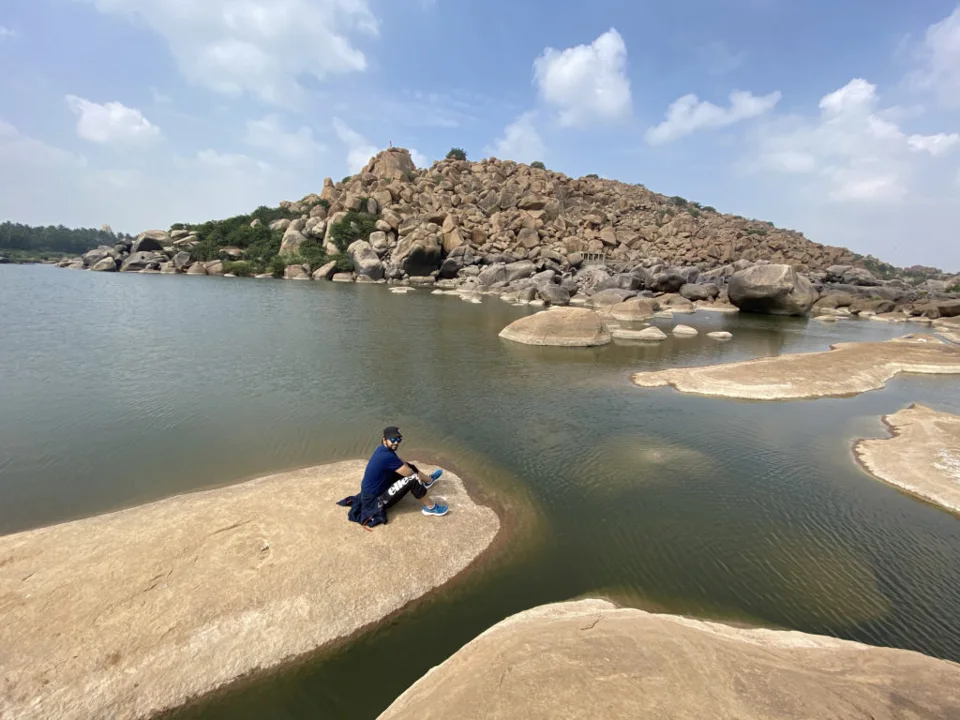
ANEGONDI VILLAGE
Anegundi (or Anegondi), formerly Kishkindha, is older than Hampi. It sits on the northern bank of the Tungabhadra.
Shri Ranganatha Swami temple
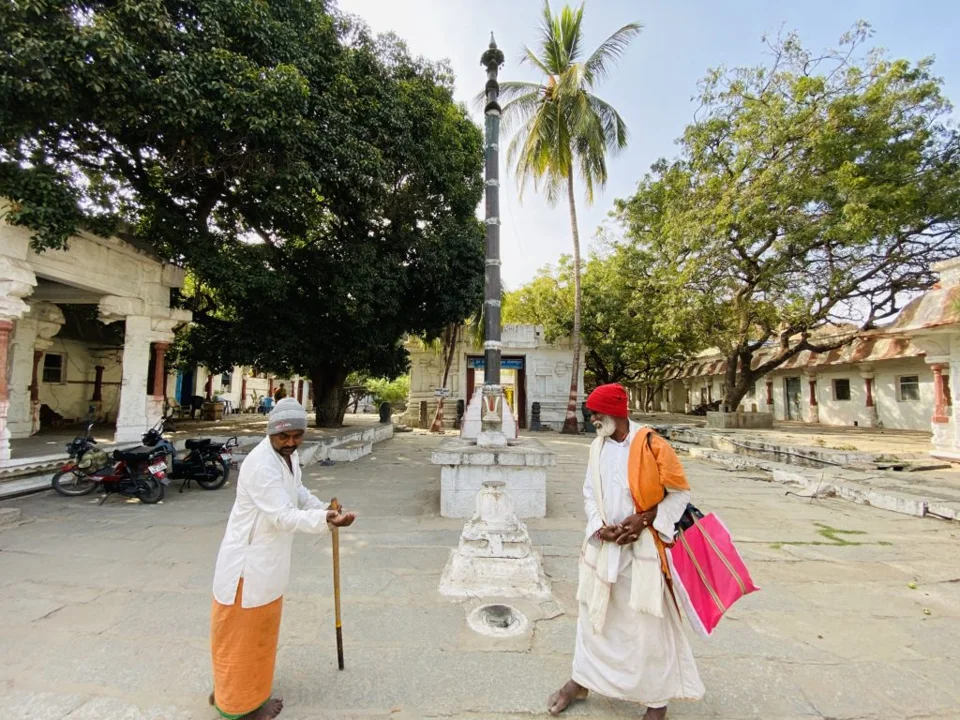
Pampa Sarovar
Pampa, an incarnation of Shiva’s consort Parvati, performed Shaivik penance here. That gives the lake its religious weight.
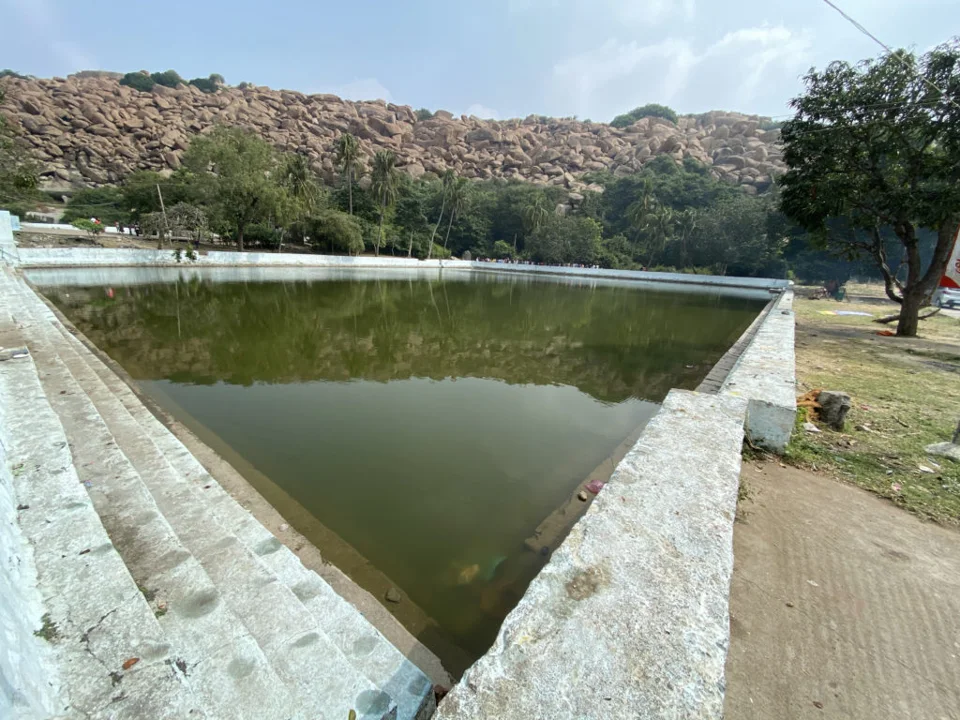
The Bhagavata Purana names five sacred lakes — Mansarovar, Bindu Sarovar, Narayan Sarovar, Pampa Sarovar, and Pushkar Sarovar. This is one of the five.
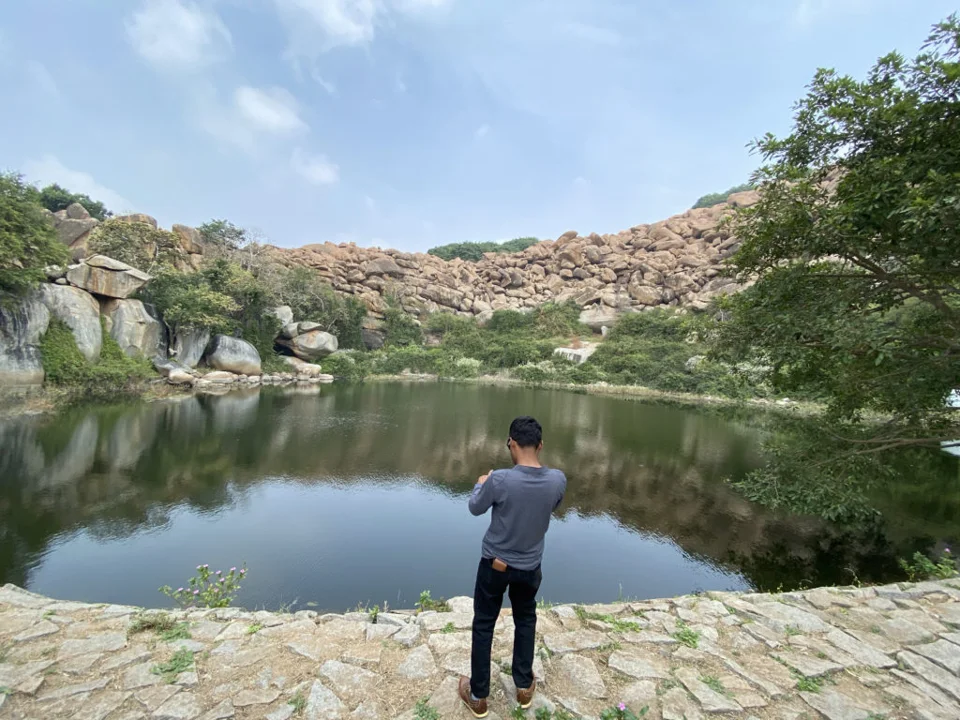
Sanapur lake
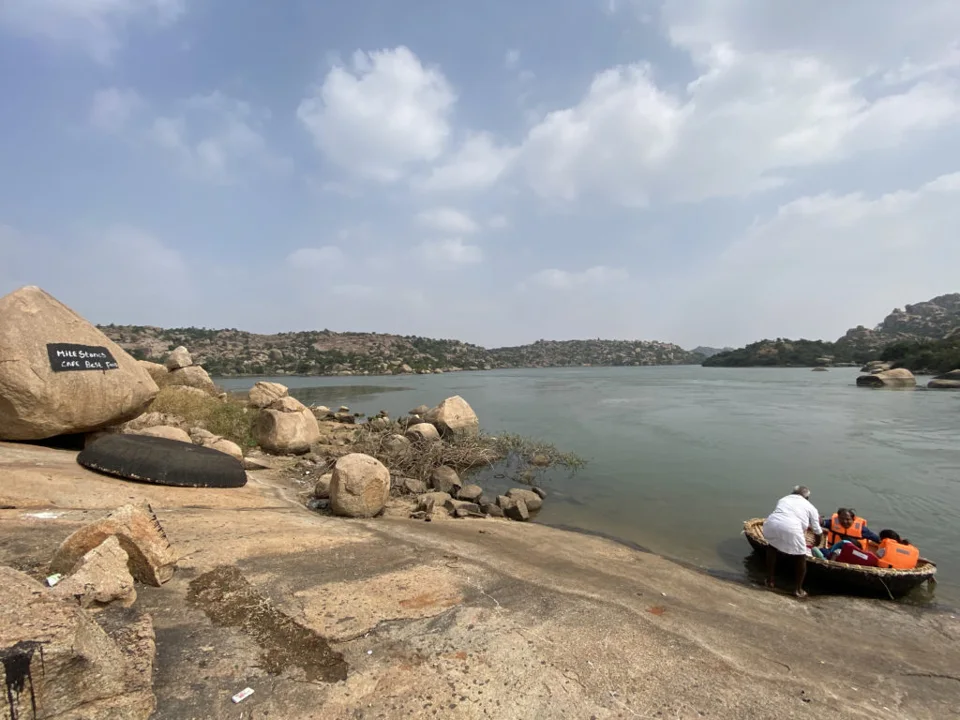
An irrigation reservoir. Coracles for hire. Calm water. The video below is the vibe.
Anjanadri Hill
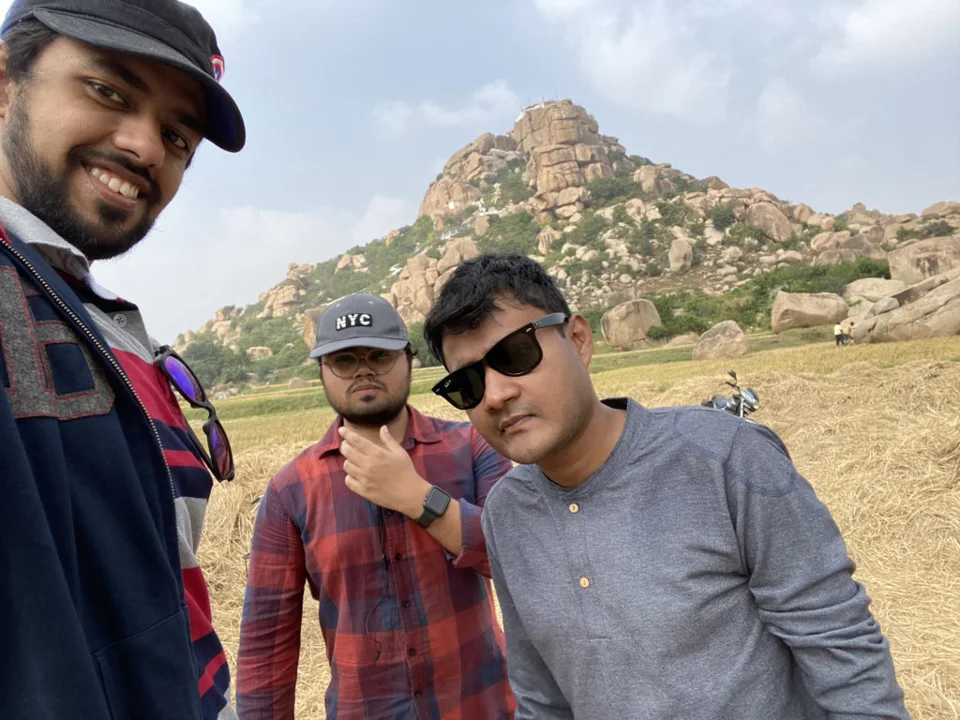
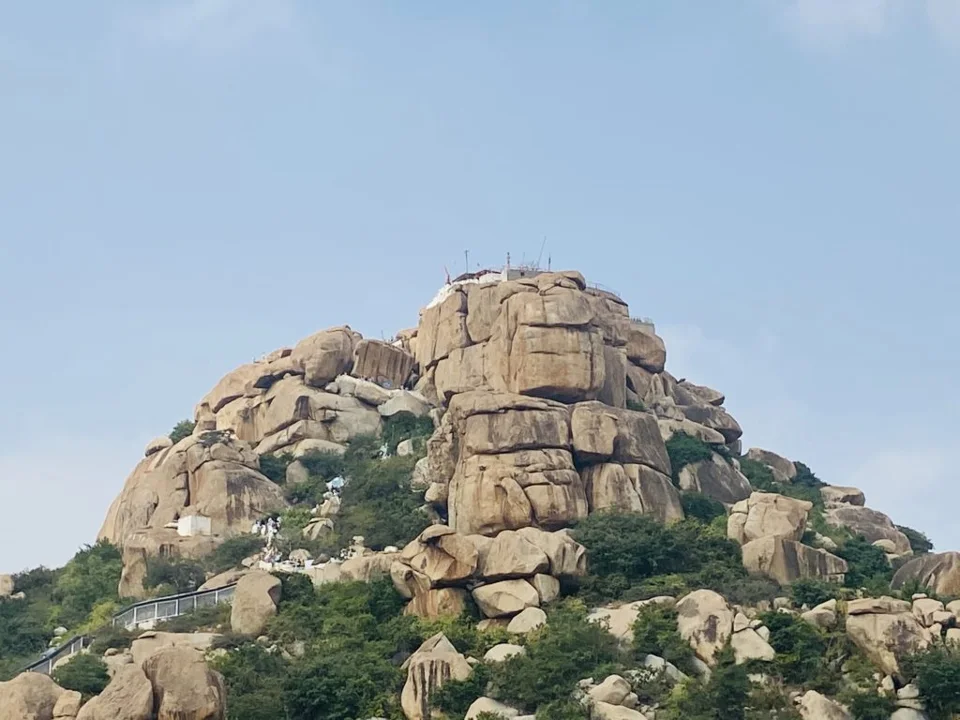
Birthplace of Hanuman by tradition. Geologically, the plateau is ~3 billion years old, one of the oldest on the planet. We did not climb the 600+ steps to the peak. Counted those calories saved as a separate kind of penance.
Hippie Island
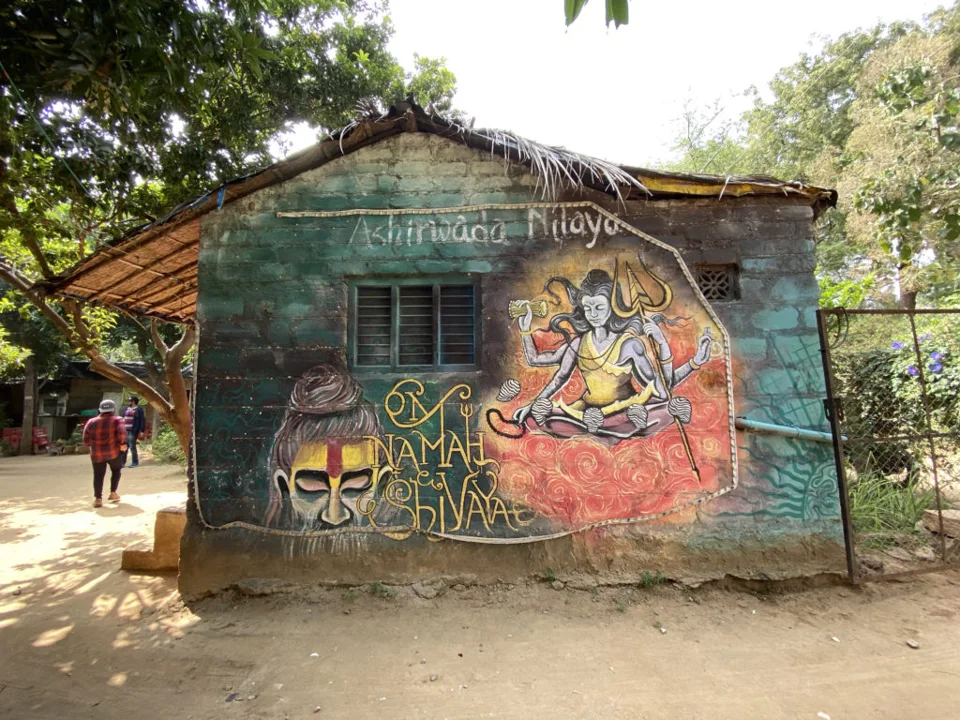
A coracle ride from the temple-side bank gets you here. Goa-style energy. Quiet, slow, the kind of place you stop watching the clock at.
Field Notes
- Heat is real. We went in December and the sun still landed hard. Calibrate accordingly.
- Skip monsoon. Tungabhadra rises high enough to damage structures and bridges; access also collapses.
- Haggle. Tourism is the local economy. Every auto, store, and stay starts at the optimistic price.
- Time the visit to your interest. If you read history or care about classical Indian art, two days minimum. One day is a sprint that misses the texture.
One Recommendation
Be at the Tungabhadra back channel between 7:30 and 8am for Lakshmi’s bath. The closest you will get to a working temple elephant in India.
Rocking it,
Sayantan